
Last updated October 15, 2026
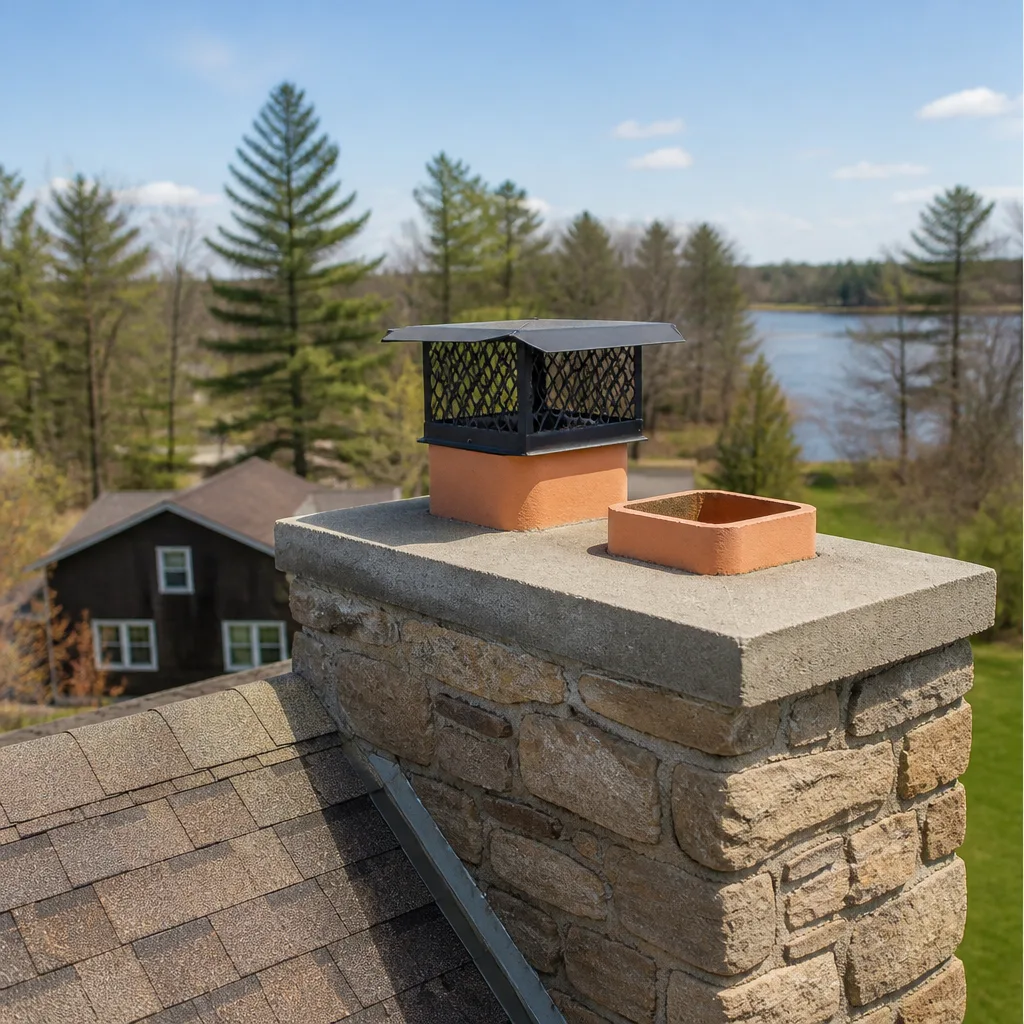 Sweep & inspection
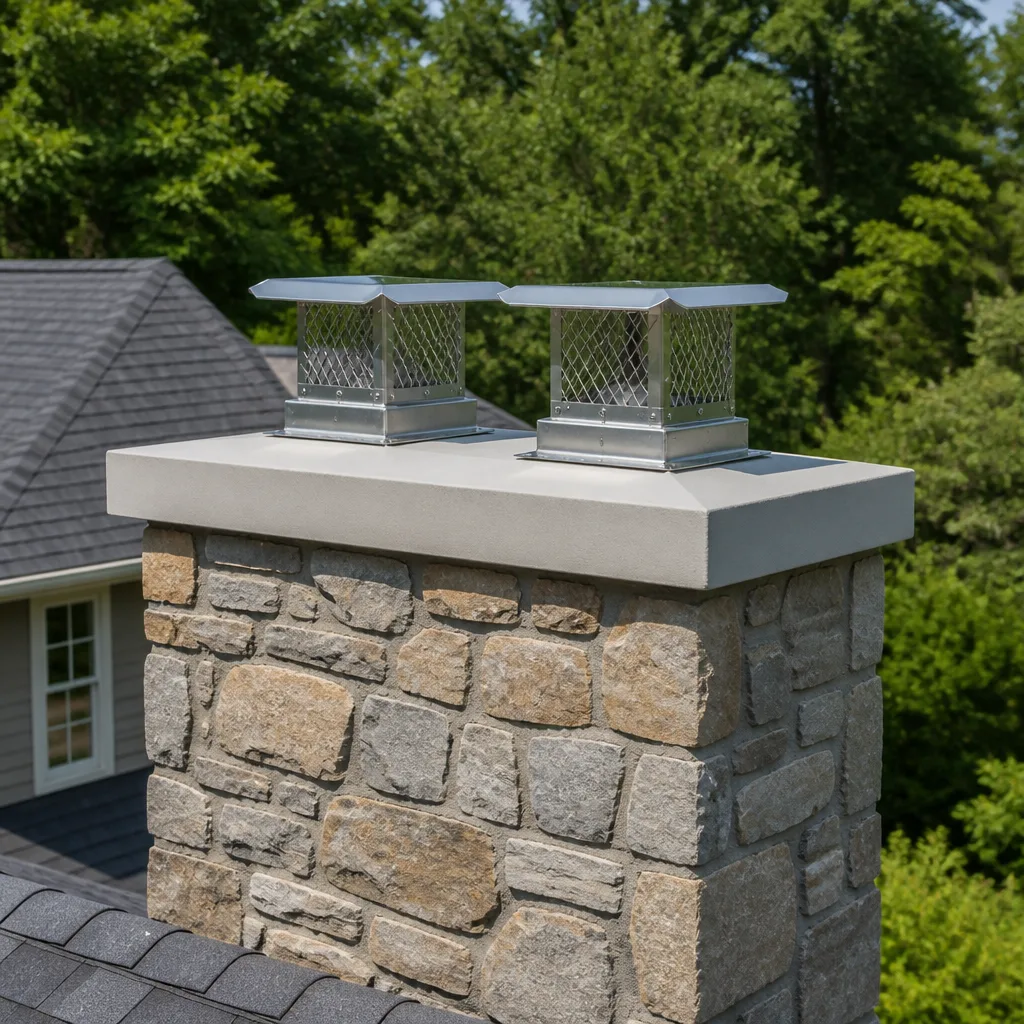 Caps & crowns
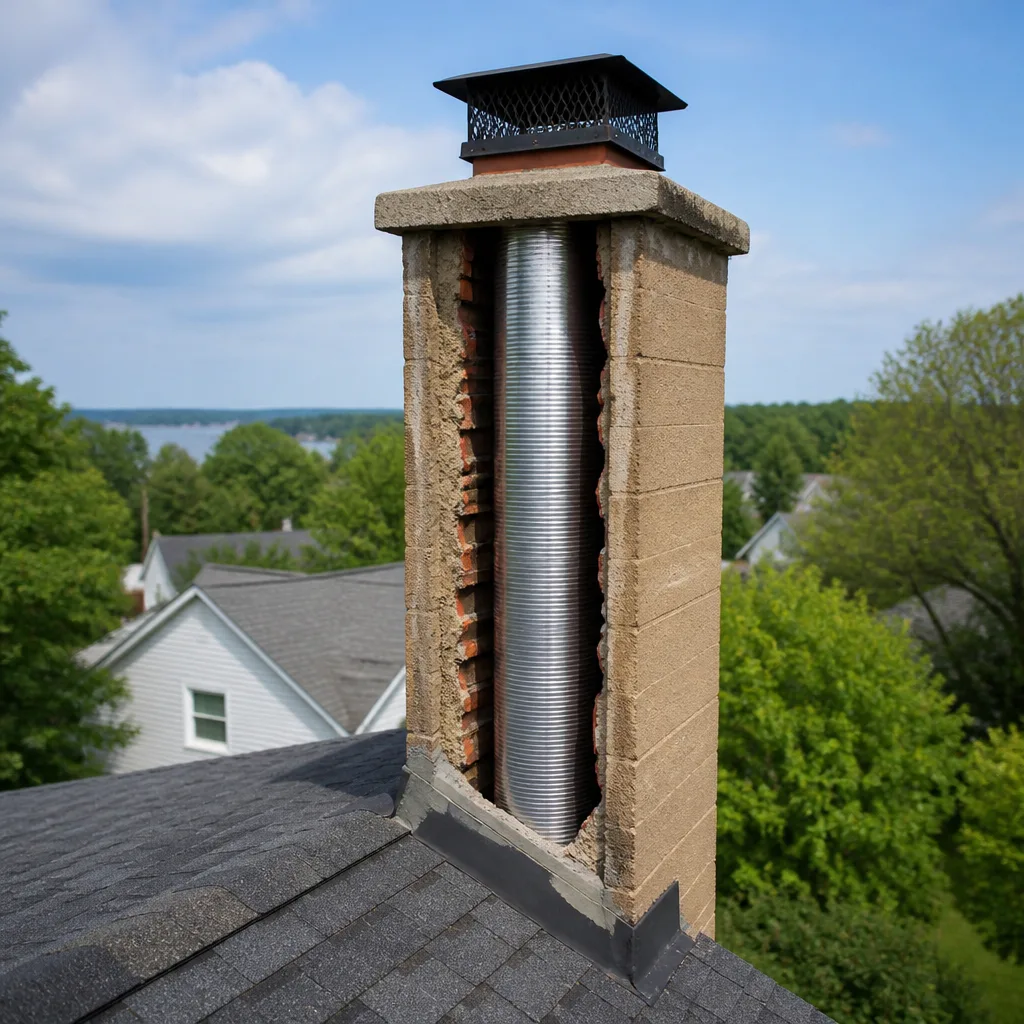 Flue relining
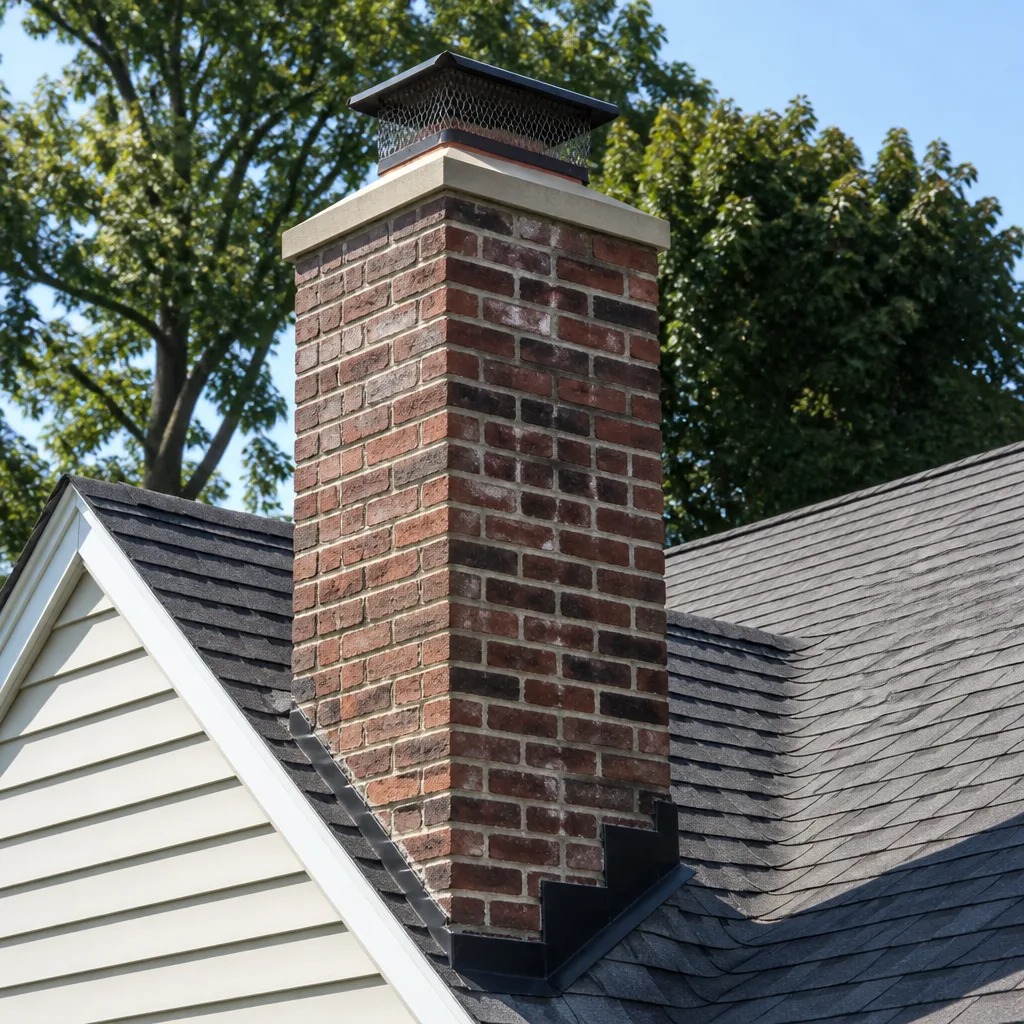 Masonry repair
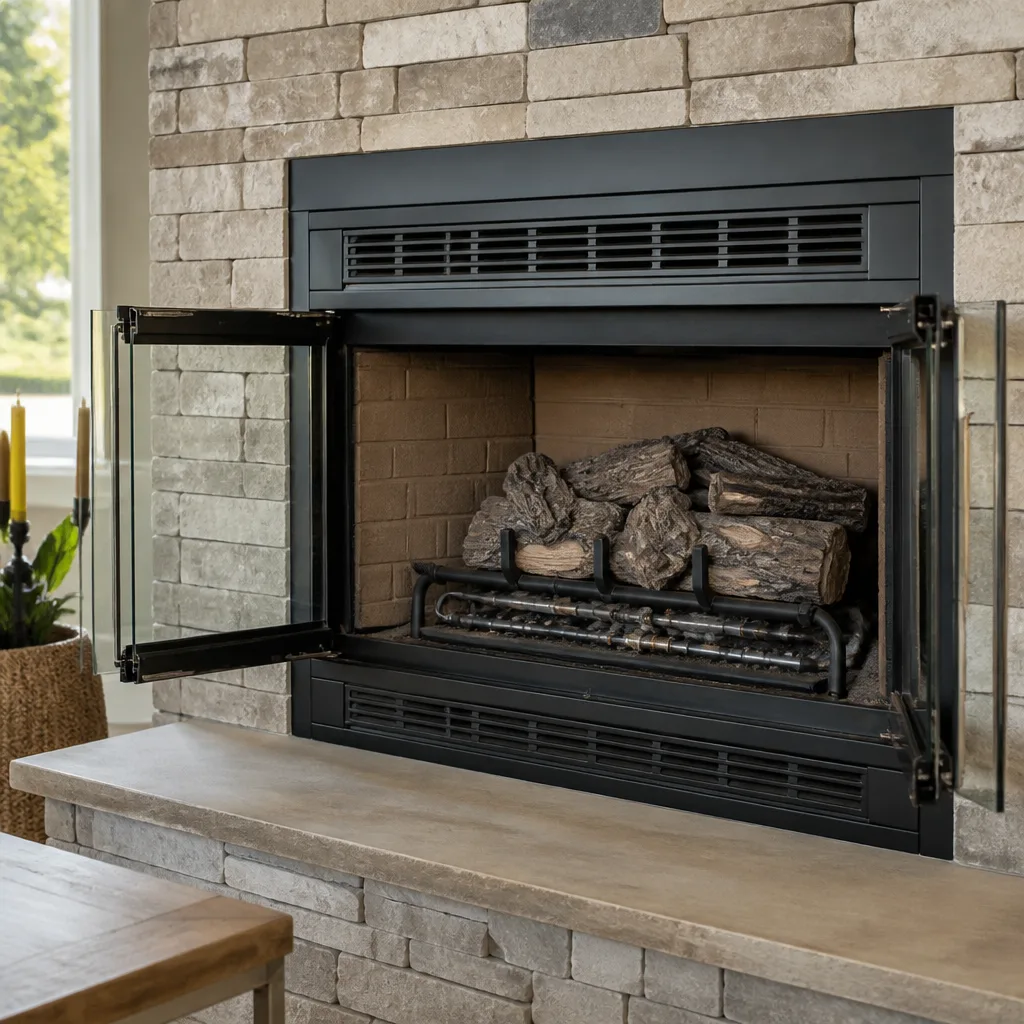 Gas fireplace service
Level 1 sweep and inspection to the NFPA 211 annual standard - flue, crown, cap, and flashing checked and photographed
Chimney sweep logs do not sweep chimneys. They loosen some creosote - which then falls where a brush and vacuum still have to collect it.
Chimney Cleaning Permits, Codes & Inspections in TX: What You Need to Know
A chimney company that pulls a permit for a basic cleaning is overcharging you. A chimney company that installs a new liner without one may be creating a defect that shows up on your real estate disclosure. Both things happen in Houston every week, and the reason is simple: most homeowners don’t know where the permit line actually sits. This guide walks through which chimney services require City of Houston permits, which don’t, how Houston’s local amendments to the International Residential Code (IRC) shape the work, what a city inspection actually involves, and how unpermitted repairs surface during home sales. For the complete guide to chimney cleaning in Houston, see our dedicated resource. If you own a fireplace in Houston, understanding this saves you real money.
Quick Answer
Routine chimney cleaning, standard chimney inspections, and chimney cap replacement do not require a permit in Houston or anywhere else in Texas. Structural or system-altering work, including flue liner installation, firebox rebuilding, and certain masonry repairs, does require a City of Houston permit. If a company tells you a basic sweep needs a permit, walk away. If they install a liner without one, ask hard questions and check the paperwork.
Styles & brands we work with
Table of Contents
- What Requires a Permit in Houston (and What Doesn’t)
- How Houston’s Local Code Amendments Affect Chimney Work
- What a City Inspection of Chimney Work Actually Involves
- NFPA 211 Inspection Levels vs. Code Inspections: The Sales Tactic to Know
- How Unpermitted Chimney Repairs Surface During Home Sales
- Homeowner Checklist: Before You Book Any Chimney Work in Houston
- Common Mistakes to Avoid
- When to Call a Professional
- Frequently Asked Questions
What Requires a Permit in Houston (and What Doesn’t)
The City of Houston follows the International Residential Code with local amendments, and the permit rules follow a straightforward principle: anything that changes the structure, the venting system, or the fire-rated assembly needs a permit. Anything that maintains the existing system doesn’t. Here’s the breakdown for chimney work specifically.
No permit required:
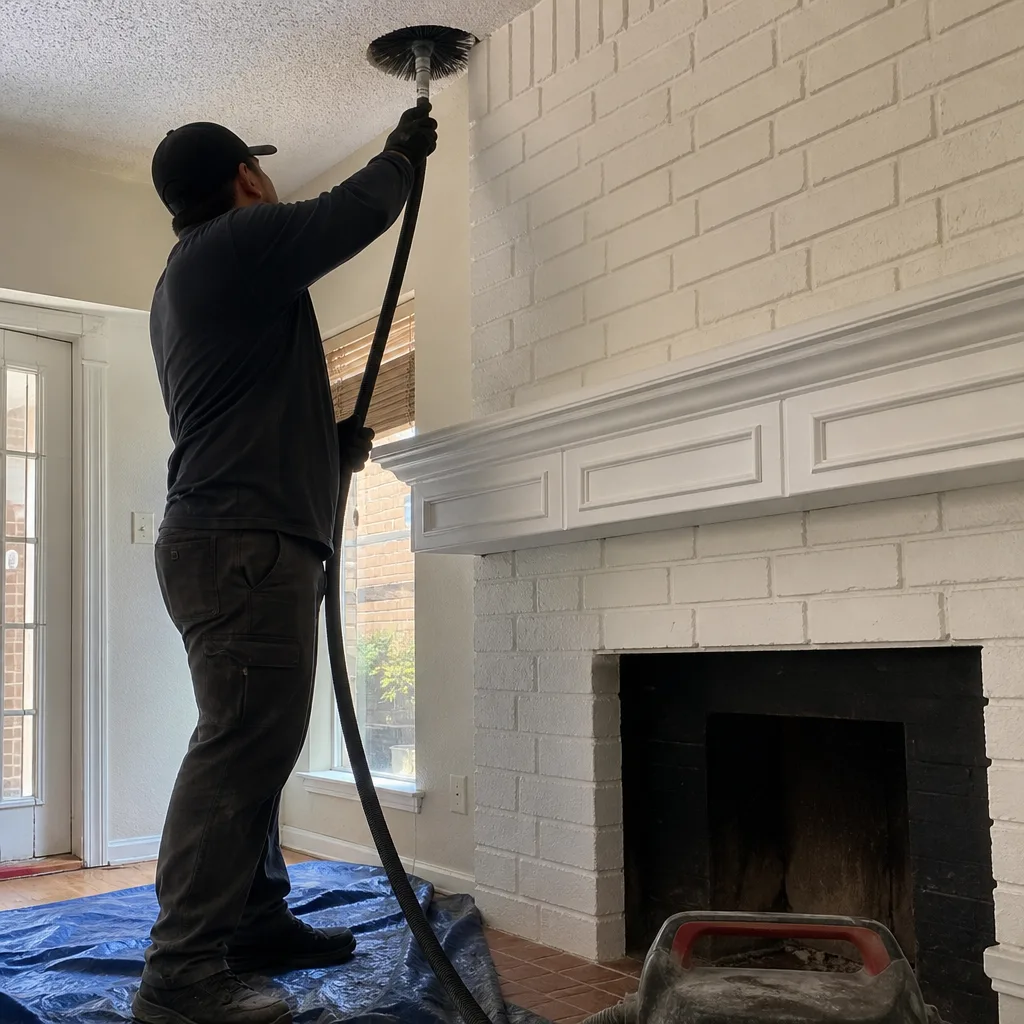
- Chimney sweeping (mechanical brushing, hand brushing, or rotary cleaning). This removes creosote and soot but changes nothing structural.
- Level 1 and Level 2 chimney inspections (visual or video-scope). Purely observational.
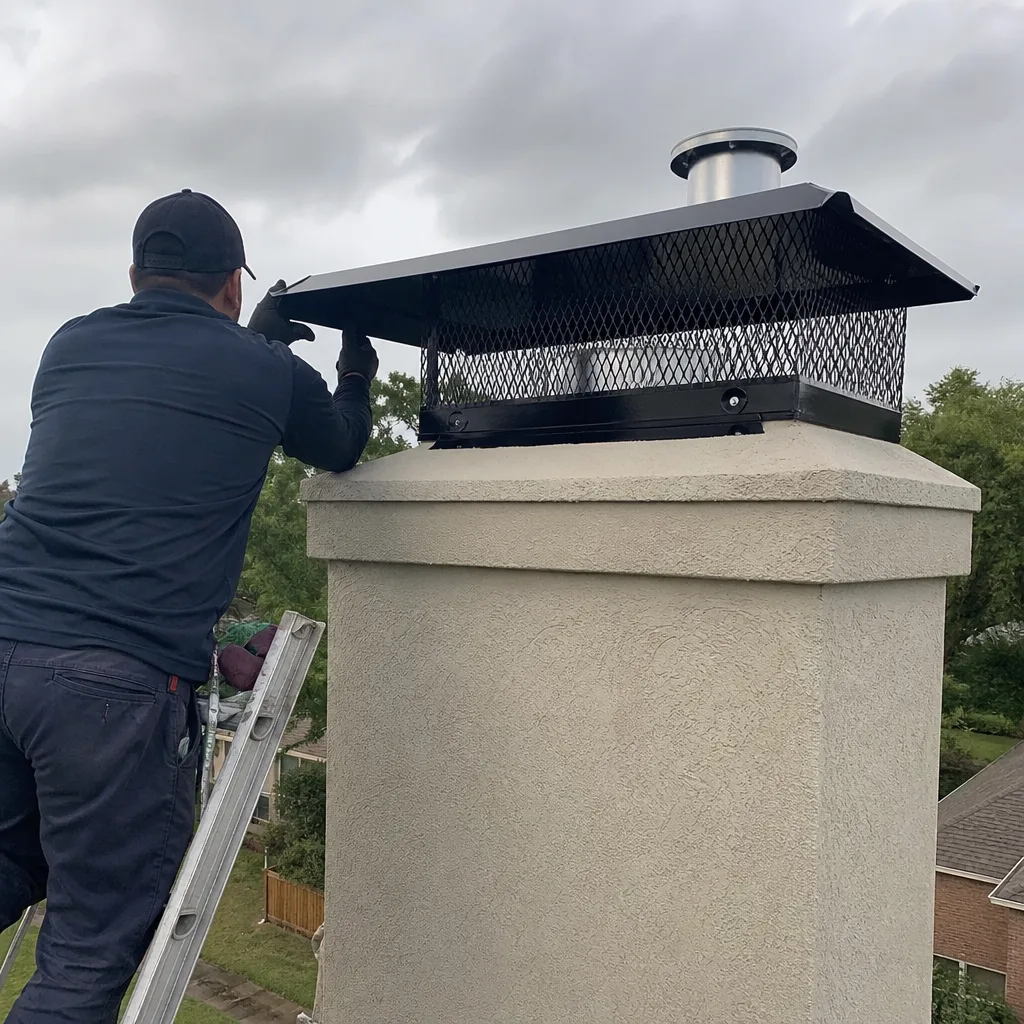
- Chimney cap replacement. A cap is an accessory, not a structural element. Swapping a rusted cap for a new stainless unit needs no permit.
- Chase cover replacement (the flat metal top on a factory-built chimney’s wood frame). Same category as a cap.
- Minor masonry sealing (crown sealant application, minor tuckpointing of superficial cracks that don’t impact structural integrity).
- Damper repair or replacement when the throat opening and firebox remain unchanged.
Permit required (City of Houston building permit):
- Flue liner installation or replacement (stainless steel, cast-in-place, or clay tile). This alters the venting system.
- Firebox rebuilding (when refractory panels are fully replaced or the masonry firebox floor is rebuilt). This changes the fire-rated assembly.
- Smoke chamber parging or rebuilding (structural work inside the chimney).
- Masonry chimney rebuilding (partial or full teardown and reconstruction above the roofline).
- Chimney relocation or addition (new chimney construction on an existing home, or moving an existing one).
- Converting a wood-burning fireplace to gas logs (this often requires a mechanical permit depending on the gas line scope, and in Houston, gas work triggers its own review).
Here’s the nuance that trips up Houston homeowners: some companies apply for permits on work that doesn’t need them and pass the filing fee along as a line item. A $75 to $150 permit fee on a $250 sweep is not protecting you. It’s padding the invoice. Conversely, a company that installs a stainless liner and charges you nothing for permit fees may be skipping the permit entirely. In our experience at Ashby Chimney Houston home, the reputable path is straightforward: we tell you before work starts whether your project triggers a permit, and the written price reflects exactly that, nothing more.
How Houston’s Local Code Amendments Affect Chimney Work
Houston operates under the 2015 International Residential Code with local amendments adopted by City Council, and it’s worth understanding because it’s one of the few Texas cities that has maintained pre-2018 IRC versions. This matters for chimney work in a specific way: the 2015 IRC’s chimney and fireplace provisions (Chapter 10) are stricter about clearance-to-combustibles than some neighboring jurisdictions using newer versions.
Here’s what Houston’s amendments actually do for chimney-related work:
- Masonry fireplaces must have a hearth extension of at least 16 inches in front of the opening and 8 inches on each side when the firebox opening is under 6 square feet. Builders sometimes skip this on remodels. A code inspector will catch it.
- Factory-built (prefab) fireplaces must be listed and labeled, and Houston enforces the manufacturer’s installation manual as code. We’ve seen Houston inspectors reject repairs because the liner or termination cap wasn’t the same brand listed in the original manual.
- Victoria County-style wind conditions don’t apply, but Houston sits in a hurricane-prone zone, which means chimney terminations must be anchored to resist uplift. The local amendments reference wind load requirements more aggressively than inland Texas cities.
- Houston’s humid climate creates draft and condensation issues that the code addresses indirectly through liner material requirements. Stainless steel liners in exterior masonry chimneys must be insulated in most cases, because Houston’s temperature swings and humidity create condensation that corrodes uninsulated liners within a decade.
If you’re in a Houston neighborhood with older housing stock, think Montrose, the Heights, or Garden Oaks, you’re likely dealing with unlined or clay-tile-lined masonry chimneys built before modern code. Those chimneys don’t meet current standards, but they’re grandfathered until you modify them. The moment you install a new liner or rebuild the firebox, the entire assembly must be brought up to current Houston code. That’s the trigger most homeowners don’t expect.
When you book a Chimney Inspection in Houston with us, we walk through which parts of your system are grandfathered and which would need to be upgraded if work is done. It’s the kind of detail that saves you from an expensive code-compliance surprise mid-project.
What a City Inspection of Chimney Work Actually Involves
A City of Houston building inspection for chimney work is not a safety certification. It’s a code compliance check. The inspector verifies that the work matches what was described in the permit application and meets the IRC standards Houston has adopted. Here’s the step-by-step of what actually happens.
- Permit application is filed by the contractor (or homeowner, if doing the work themselves). The application describes the scope: liner replacement, firebox rebuild, masonry work, etc.
- Houston Permitting Center reviews the application. For most residential chimney work, this is a same-week approval. Complex structural work may require engineered drawings.
- Work is performed and the contractor calls for inspection at the appropriate stage. For liner installation, the inspector typically checks the liner connection at the appliance/bottom and the termination cap at the top, plus fireblocking at each floor/ceiling penetration.
- The inspector visits in person. Houston inspectors check: liner material and sizing against the appliance, required clearances to combustible framing, fireblocking at ceiling and floor levels, hearth extension dimensions for masonry fireplaces, and termination cap height and location relative to the roofline.
- Pass or fail. If it passes, the permit is signed off and you get a record. If it fails, the contractor corrects the issue and calls for re-inspection.
You have the right to request the inspection report. Too few Houston homeowners know this. The report shows what was checked and whether it passed. Keep it with your house records. When you sell, that signed-off permit is your documentation that the work was done to code.
One more thing: the homeowner can pull the permit, but the work must still pass inspection. If you hire a contractor who asks you to pull the permit in your own name, that’s a red flag. It usually means they’re either not licensed to do the work or they don’t want their name attached to the permit record. Reputable companies pull their own permits and stand behind the inspection outcome.
NFPA 211 Inspection Levels vs. Code Inspections: The Sales Tactic to Know
Here’s a distinction that gets abused in Houston chimney sales: an NFPA 211 inspection is not the same thing as a code inspection, and a company that conflates them is either confused or selling you something.
- NFPA 211 inspection levels (Level 1, Level 2, Level 3) are standardized procedures defined by the National Fire Protection Association. They describe how thoroughly a chimney professional examines a system. Level 1 is the standard annual check (readily accessible portions). Level 2 adds video scanning and attic/crawlspace access (required when you’re selling the home or after a chimney fire). Level 3 is invasive (removing portions of the structure to access concealed areas).
- A code inspection is performed by a City of Houston inspector to verify that construction work meets the adopted building code. It happens after a permitted repair or installation.
They answer completely different questions. An NFPA 211 inspection asks: “Is this system safe to use, and what needs cleaning or repair?” A code inspection asks: “Does this installed work meet the minimum legal standards?”
Here’s where the sales tactic appears: a technician shows up to clean a chimney, runs a camera up the flue, and then tells the homeowner the system has “code violations” that require immediate repair. Sometimes that’s true. Often it’s not. The tech may be flagging grandfather-clause items (things that were code when the house was built but aren’t now) and using the word “violation” to create pressure. In Houston, most pre-2000 homes have chimneys that are not code-compliant by today’s standards, and that’s perfectly legal. You only have a code violation when work is being done without meeting current standards, or when a condition creates an actual fire hazard.
Our position at Ashby is simple: if we find an issue during a Chimney Sweep in Houston, we show you the camera footage and explain exactly what it means. We differentiate between “should fix for safety” and “would be required if you were remodeling.” We don’t use the word “violation” unless it’s genuinely a code enforcement issue. That’s the difference between an inspection that informs and an inspection that pressures.
How Unpermitted Chimney Repairs Surface During Home Sales
Houston’s real estate market is hot enough that unpermitted work sometimes slides through. But it surfaces eventually, and it almost always costs more to fix at the sale stage than it would have cost to do properly in the first place.
Here’s the sequence we’ve seen play out repeatedly in Houston:
- The seller disclosure form. Texas requires sellers to disclose known defects and unpermitted work. If you’re the seller and you know a liner was installed without a permit, you’re legally obligated to disclose it. Many sellers don’t realize the liner work was unpermitted until the buyer’s inspector finds it.
- The buyer’s home inspection. Houston home inspectors are trained to look for signs of recent chimney work. A new stainless liner with no matching permit record on the City of Houston permit database is a finding. The inspector flags it.
- The buyer’s lender or insurer may balk. Some insurance companies in Texas will underwrite a fireplace, but if unpermitted work is flagged, they may exclude the fireplace from coverage or require a retro permit before closing. Lenders on FHA and VA loans in the Houston area are generally stricter about this than conventional lenders.
- Retro permits are more expensive and more invasive. A retro permit requires the city to inspect work that’s already been completed. If the liner was installed without the required clearances or fireblocking, the inspector will fail it, and the chimney may need to be partially opened up to correct the issue. We’ve seen $3,500 liner jobs become $8,000 retro-permit corrections at the sale stage.
The lesson is simple: if you’re having liner, firebox, or structural chimney work done in Houston, make sure the company pulls the permit and you get the signed-off inspection report. Store it with your home records. When you sell, it becomes a selling point instead of a disclosure problem.
Homeowner Checklist: Before You Book Any Chimney Work in Houston
Use this chimney sweep maintenance checklist for Houston homeowners when you’re calling chimney companies. It will save you from overpaying, from under-protecting, and from the unpermitted-work trap.
- Ask directly: “Does this specific job require a City of Houston permit?” If they say yes for a basic sweep or cap replacement, get a second opinion. If they say no for a liner install or firebox rebuild, that’s a problem.
- If a permit is required, confirm who pulls it. The answer should be: “We do.” Not “you can if you want.”
- Ask for the permit number after it’s filed. You can look up permits on the City of Houston’s permit portal. If the company files a permit, you should be able to see it.
- Request the inspection report after the work passes. Keep it with your house records. This is your proof at sale time.
- Ask whether the work will bring the chimney to current code or preserve grandfathered status. A knowledgeable company can answer this. A vague answer means they don’t understand Houston code.
- Get the written price before work starts. This is standard practice at Ashby; it should be standard everywhere. The written price should note whether permit fees are included or separate.
- For liner work, ask which brand of liner they’re installing. In Houston’s humid climate, we favor DuraFlex stainless liners for most retrofits because of their flexibility in older masonry chimneys, and HeatShield for repairing damaged clay tile liners when full replacement isn’t necessary. A company that can’t name its materials is a warning sign.
Common Mistakes to Avoid
- Paying a permit fee on a basic sweep. Chimney cleaning does not require a City of Houston permit. If a company charges you a permit line item for a cleaning, you’re being overcharged. Period.
- Skipping the permit on liner work to save money. A new flue liner is exactly the kind of repair that gets flagged at sale time. The $100 to $200 permit fee is cheap compared to a retro permit or sale-delay scenario.
- Assuming the home inspector will catch everything. Houston home inspectors do visual checks. They can’t see inside the flue the way a Level 2 video inspection can. If you’re buying, schedule a separate Chimney Inspection in Houston before closing.
- Confusing an NFPA 211 inspection with a code inspection. One tells you about the system’s condition and safety. The other tells you whether permitted work met legal standards. They’re not interchangeable, and any company using them interchangeably is misleading you.
- Accepting “it’s grandfathered” without explanation. Grandfathering is real, but it doesn’t apply to everything. Ask specifically what parts of the system are grandfathered and what would trigger code compliance requirements.
- Not keeping permit and inspection records. Five years later, when you’re selling, those documents are worth real money in smooth negotiations. File them with your home records.
- Using “cheapest bid” logic for structural chimney work. A liner installed wrong in Houston’s humid climate can fail within five years. The cheapest liner quote often means uninsulated stainless, no permit, and no written guarantee. That’s false economy.
When to Call a Professional
Some things you can check yourself: visible rust on a chimney cap, staining on the ceiling near the chimney, a damper that won’t stay open. But the inside of a flue is not accessible without a camera, and that’s where the real problems live. See our chimney cleaning warning signs: a Houston homeowner’s reference guide for what to watch for. Call a professional when: you haven’t had a cleaning in over a year and use the fireplace regularly, you notice a smoky smell inside the house with the damper closed, you’re buying or selling a home with a fireplace, you’ve had a chimney fire or a near-burn event, or you’re planning any liner, firebox, or masonry work. Ashby Chimney Houston offers free estimates in Houston, call (903) 961-6496. We’ll give you a written price before any work starts, and we’ll be straight with you about what needs a permit and what doesn’t.
For any fireplace-related repair beyond routine cleaning, a skilled technician matters. Fireplace Repair in Houston is one of our core services, and every repair includes a written guarantee.
Frequently Asked Questions
A standard chimney sweep in Houston typically runs between $180 and $350, depending on the system’s condition, accessibility, and whether it’s a masonry fireplace or a factory-built unit. Some companies quote lower and add fees for the cap removal, the inspection, or the creosote disposal. Our written price includes everything: the sweep, the Level 1 inspection, and the cleanup. Call (903) 961-6496 for a free estimate and we’ll give you the exact number before we set foot in the house.
No. A chimney cap is an accessory, not a structural element. Replacing a rusted or missing cap with a new one requires no City of Houston permit. The same is true for chase covers on prefab chimneys. The job is straightforward and usually done in under an hour.
The NFPA recommends annual inspection and cleaning as needed. In Houston, most homeowners who use their fireplace regularly through the fall and winter should sweep every year. If you burn mostly gas logs with occasional wood fires, every two years is generally sufficient. Houston’s high humidity can accelerate creosote buildup in uninsulated exterior chimneys, so annual checks are the safer default here.
Creosote builds up on the flue walls. It’s a byproduct of wood combustion, and it’s flammable. A hot fire can ignite it, and a chimney fire can crack clay liners, warp stainless liners, and in extreme cases spread to the house framing. Houston’s older masonry chimneys, especially in neighborhoods like the Heights and Eastwood, are particularly vulnerable because many have unlined or clay-lined flues that predate modern standards. The fix is a professional sweep, and the cost is a fraction of what a liner replacement runs. Call (903) 961-6496 to schedule a sweep, and we’ll show you before and after photos so you can see what you paid for.
This is the right question to ask. You need a new liner when the current one has cracks, gaps, or is missing entirely, and those defects are visible on camera. A flue liner (the clay or steel tube that vents combustion gases out of your home) is the safety barrier between fire and house framing. If it’s compromised, gases can enter the home and heat can reach combustibles. The way to verify the need is a Level 2 video inspection, which we include images from, not just a verbal summary. If a company tells you a liner is shot but won’t show you the camera footage, get a second opinion. When a liner replacement is genuinely needed in Houston, we install brands like DuraFlex and repair damaged clay liners with HeatShield instead of selling a full replacement when it isn’t warranted.
Yes, and it’s mostly about humidity. Houston’s Gulf Coast climate means exterior masonry chimneys run cold in winter, which causes condensation inside the flue, which accelerates creosote adhesion and corrodes uninsulated steel liners. Interior chimneys fare better. Older Houston neighborhoods also have taller, thinner clay tile liners that were built before modern clearance standards. The result: Houston chimney companies see more liner corrosion, more crown damage from wet-dry cycling, and more draft problems than our counterparts in Dallas or Austin. That’s why a level 2 inspection and the right materials matter more here.
The Bottom Line
Routine chimney cleaning in Houston does not need a permit, and anyone charging you for one is overbilling. Liner installation, firebox rebuilding, and structural masonry work do need a City of Houston permit, and skipping it creates a problem that shows up at the worst possible time: during a home sale. Know the difference. Ask the right questions. Keep your inspection records. And when you need work done in Houston, we’d rather give you a written price and a written guarantee than a pitch. Browse more guides & resources on our blog. That’s how we’ve operated since 2002, and it’s the only way that makes sense to us.
Written by Nathan Corliss, Owner at Ashby Chimney Houston, serving Houston since 2002.
See the difference
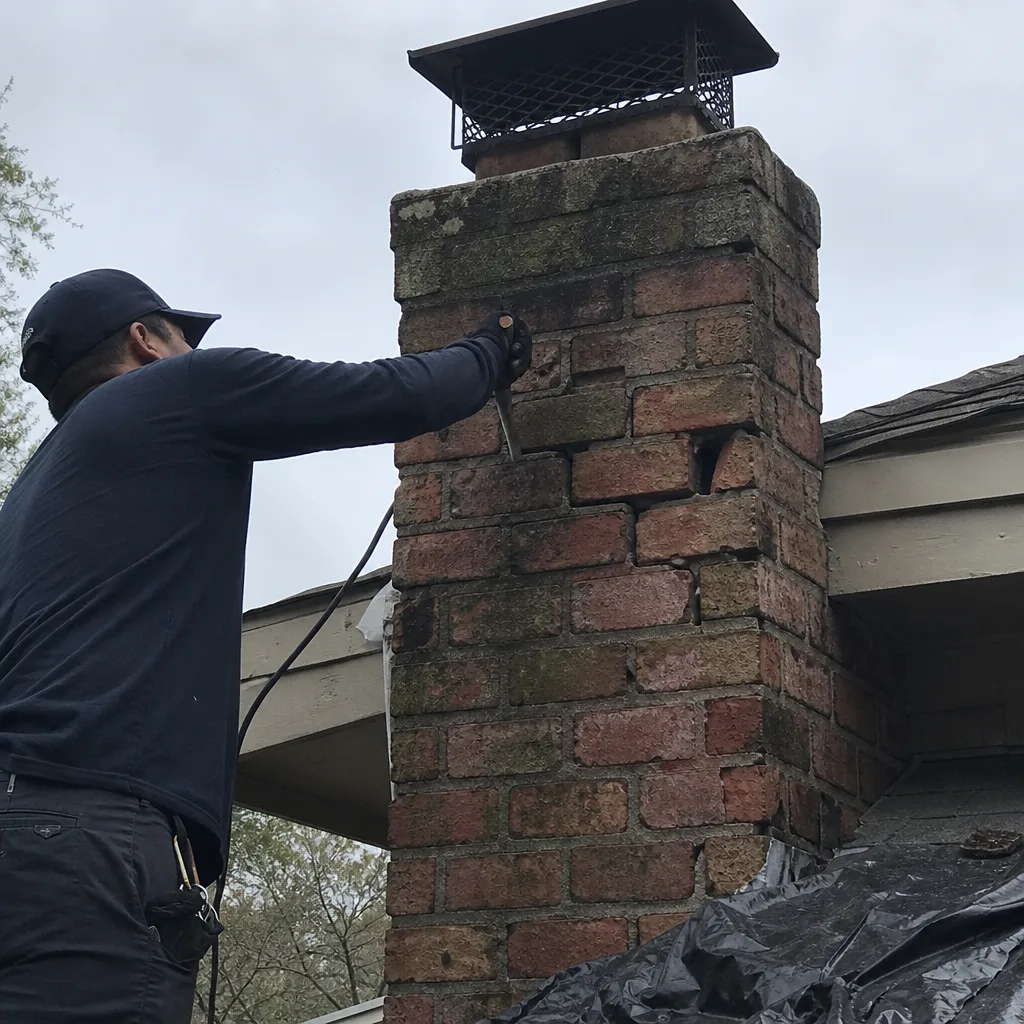 Before
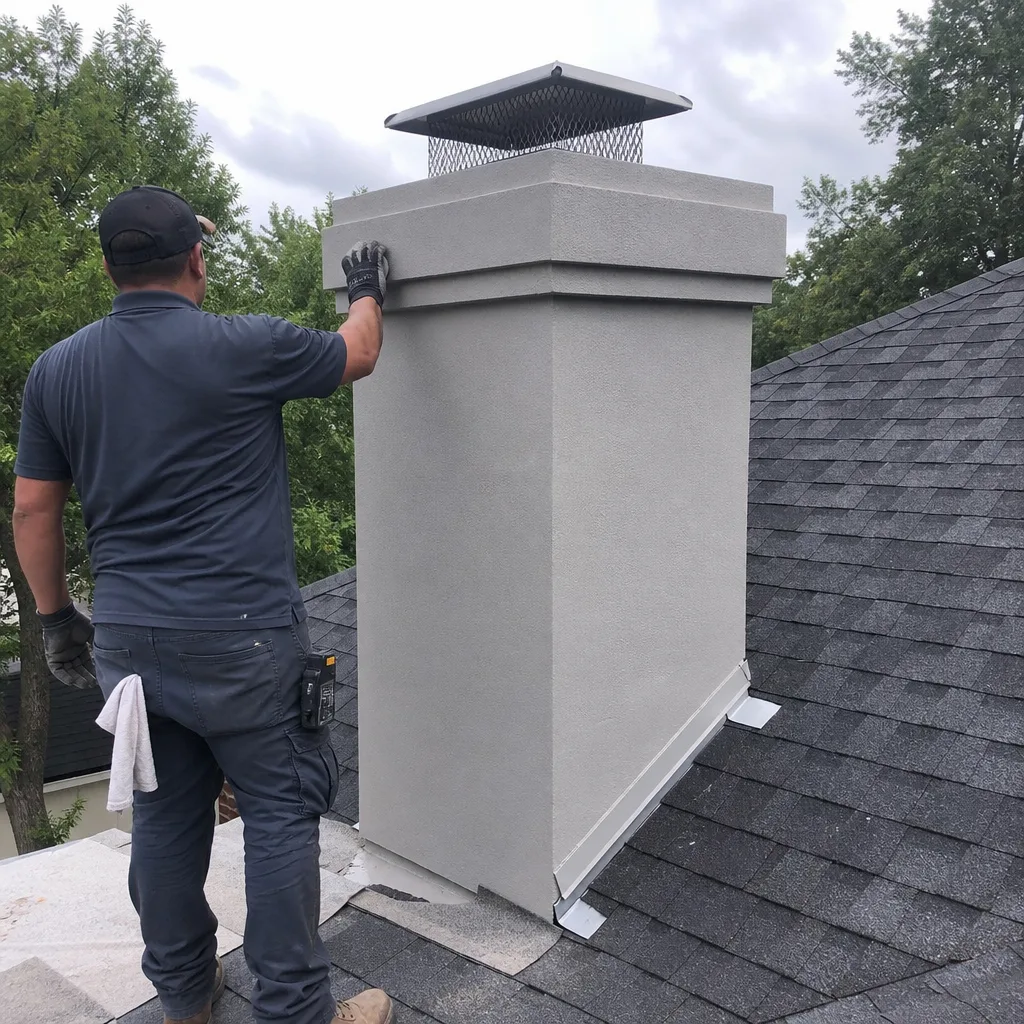 After
After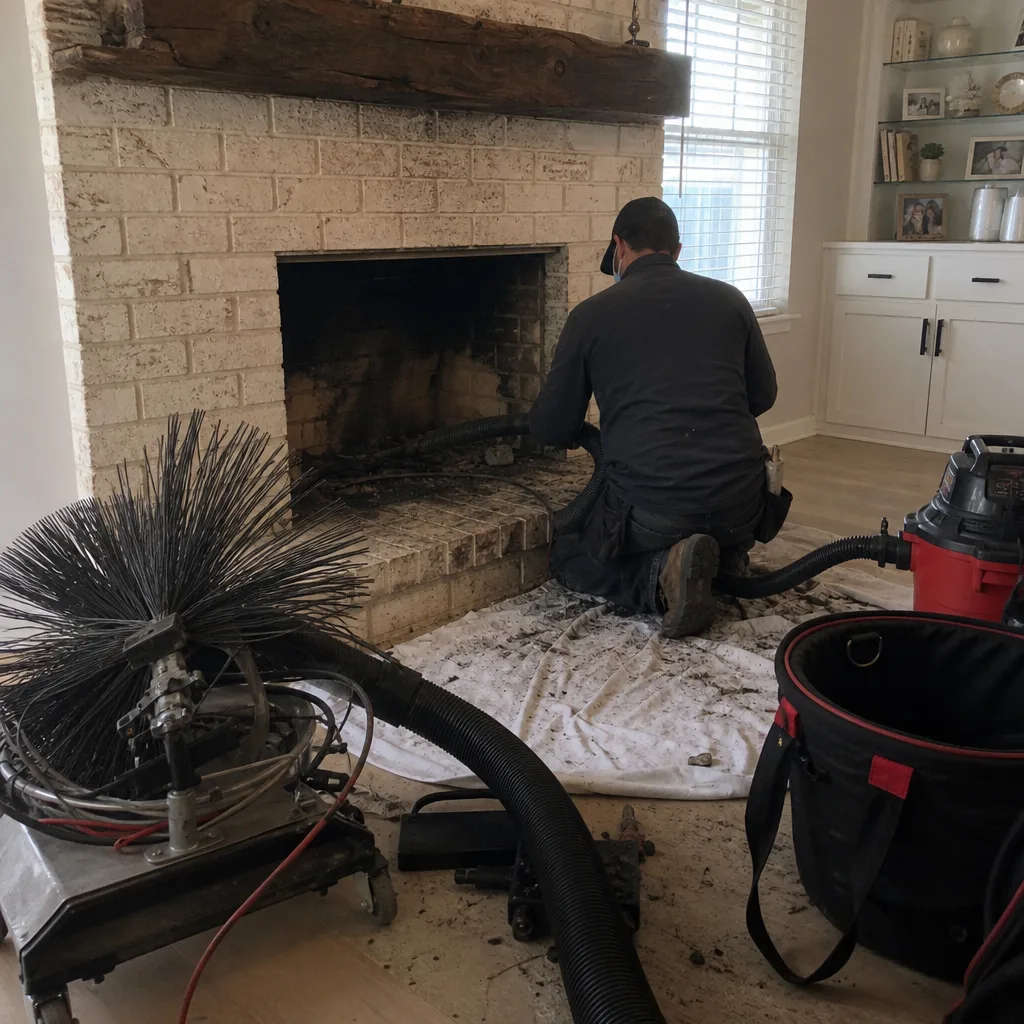 Before
 After
After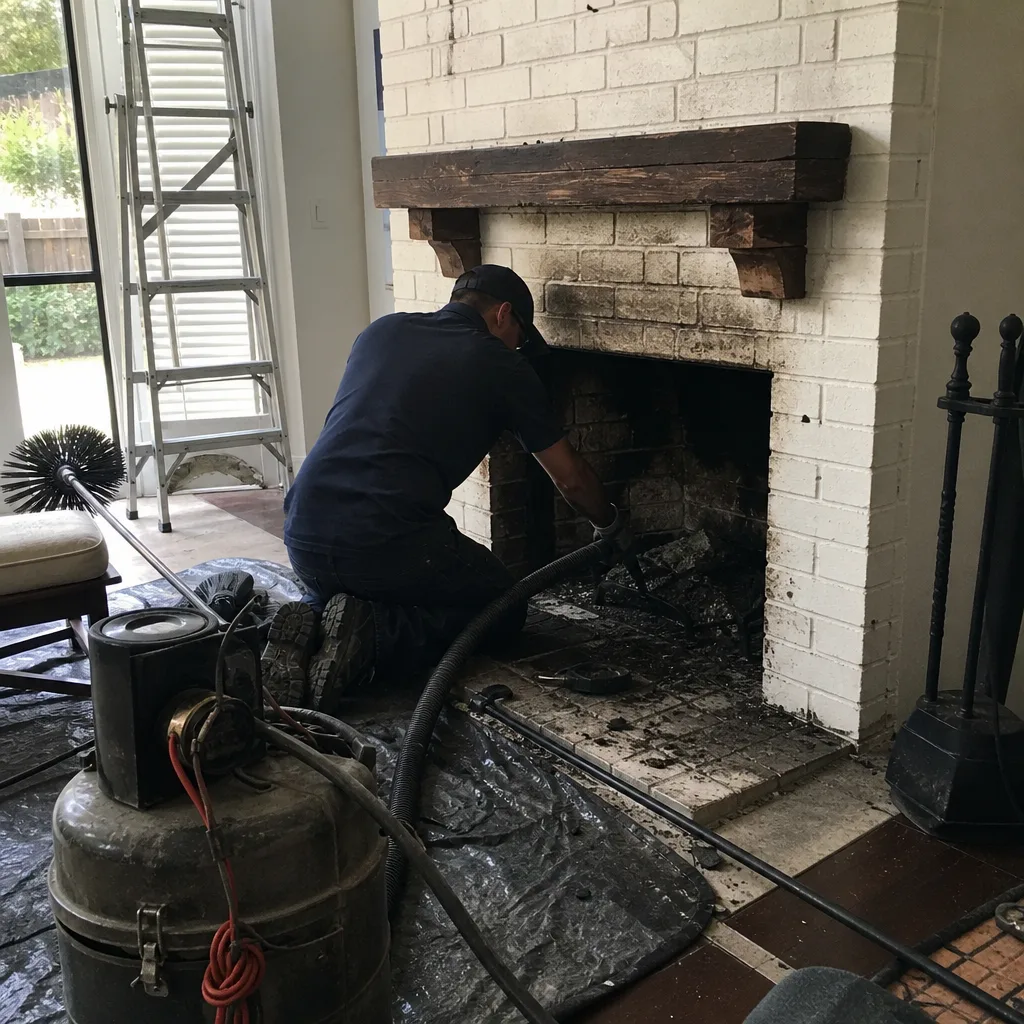 Before
 After
After