
Last updated October 15, 2026
 Sweep & inspection
 Caps & crowns
 Flue relining
 Masonry repair
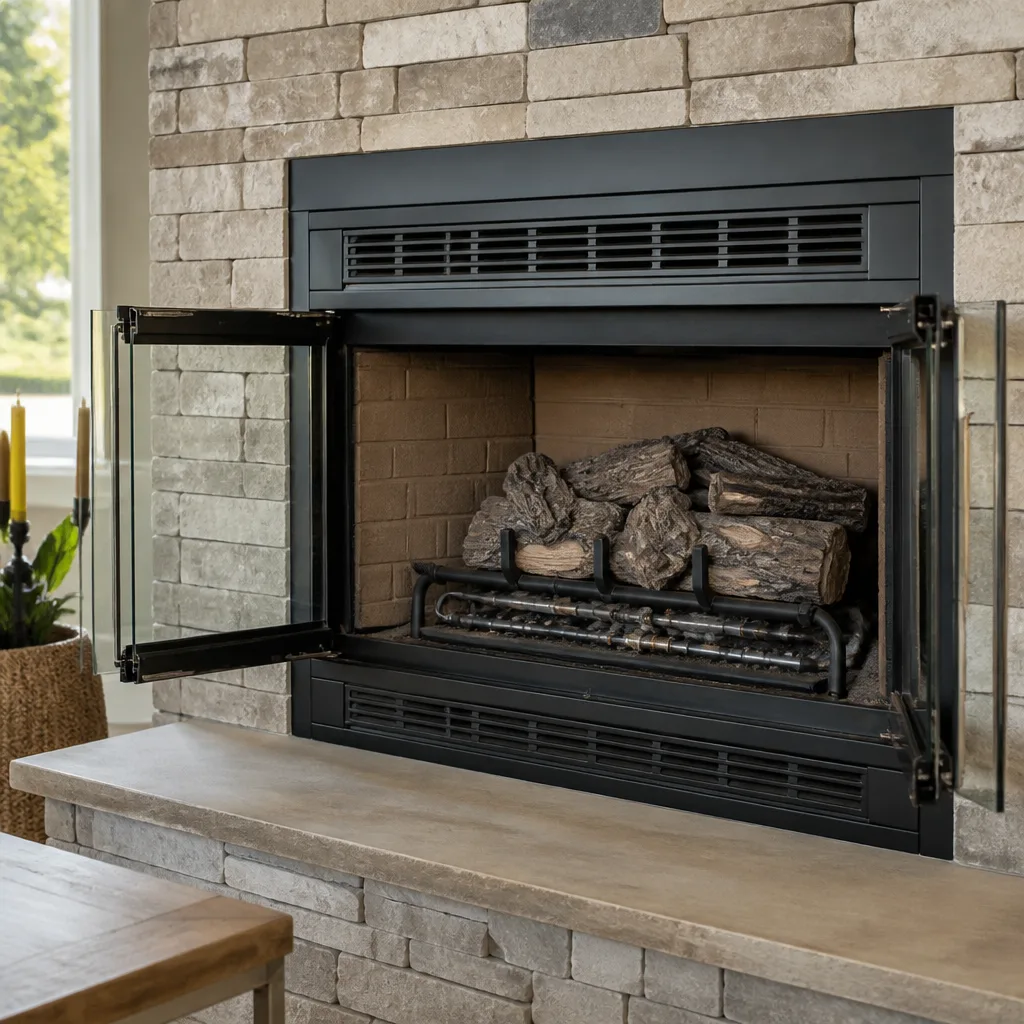 Gas fireplace service
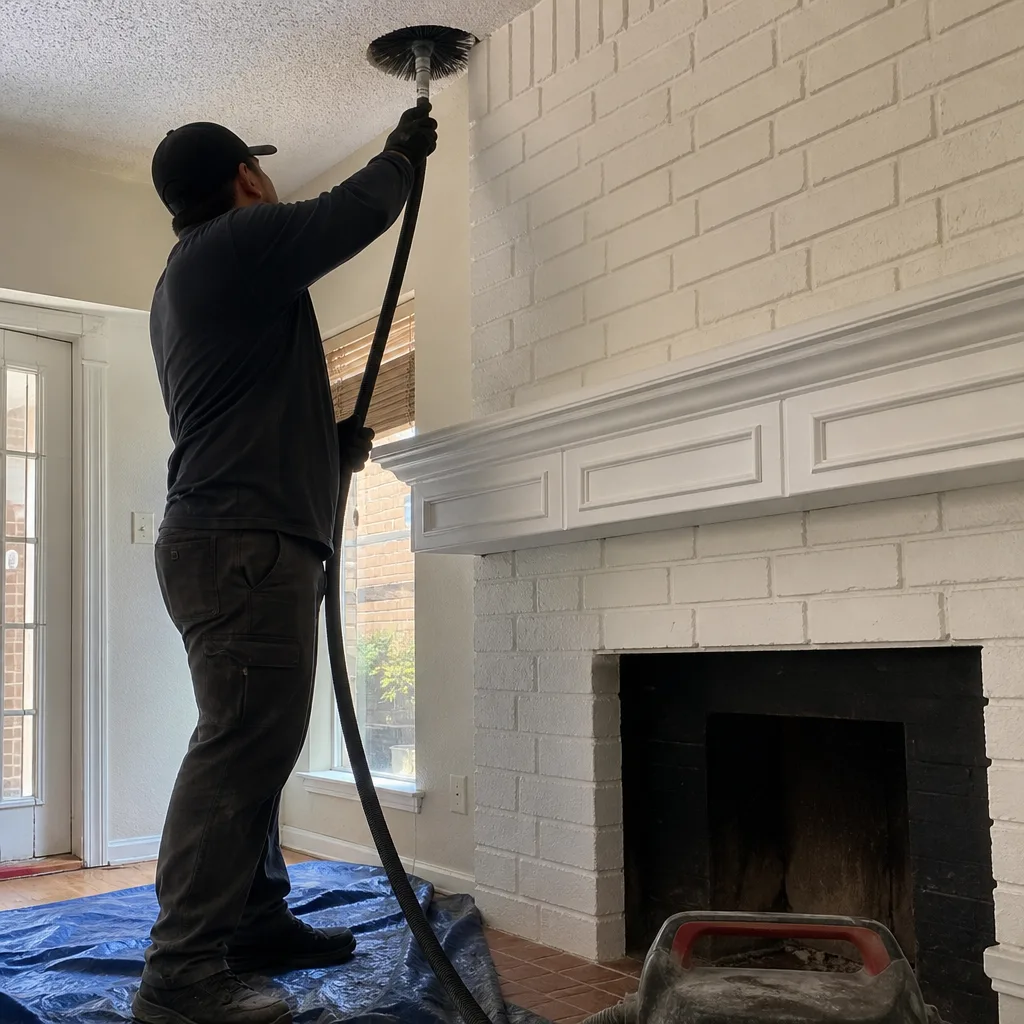
Level 1 sweep and inspection to the NFPA 211 annual standard - flue, crown, cap, and flashing checked and photographed
Chimney sweep logs do not sweep chimneys. They loosen some creosote - which then falls where a brush and vacuum still have to collect it.
Chimney Sweep Maintenance Checklist for Houston Homeowners
Most Houston homeowners check their chimney once a year: right before the first cold snap, when they’re already wondering why the house smells like last winter’s fires. But the two months after hurricane season ends are when Houston chimneys are most likely to have hidden damage – lifted caps, cracked crowns, water that’s been working its way into the brick for weeks. And almost nobody looks until December, which is the worst possible time to find out. This guide gives you a maintenance checklist built around Houston’s actual calendar: hurricane prep, the brief burn season, and the long humid off-season. You’ll learn what to check from the ground, what to document with your phone, and when a problem genuinely requires a Chimney Sweep before you light another fire.
Quick Answer
A Houston chimney maintenance checklist should follow the local calendar, not a generic monthly template. Check your cap, crown, and flashing after hurricane season ends (November), schedule a professional Chimney Inspection in Houston before the first fire, perform simple visual checks from ground level during burn season (December through February), and do a full firebox inspection during the dormant humid months (March through May) when moisture problems show up as efflorescence, spalling, or rust. A professional chimney sweep in Houston typically costs $150 to $300, and most sweeps include a basic visual inspection of the flue.
Styles & brands we work with
Table of Contents
- Why Houston Needs Its Own Chimney Calendar
- Pre-Burn Checklist (November): The Inspection That Prevents December Problems
- Burn Season Checks (December – February): What to Watch While You’re Using the Fireplace
- Dormant Season (March – May): The Humid Months That Reveal Hidden Damage
- Storm Prep (June – November): Protecting Your Chimney Before and After Hurricanes
- The Ground-Level Visual Check: What to Look For Without a Ladder
- Photographing Your Chimney: Building a Baseline That Protects You Later
- Keeping a Service Record: Your Best Defense Against Phantom Damage Claims
- Common Mistakes to Avoid
- When to Call a Professional
- Frequently Asked Questions
- The Bottom Line
Why Houston Needs Its Own Chimney Calendar
Most chimney maintenance checklists you’ll find online are written for places with four real seasons: a long burn season, a spring thaw, a dry summer. Houston has three completely different realities. We have a six-month hurricane season, a burn season that lasts maybe ten weeks, and a hot, humid off-season that’s actually the most active period for certain types of chimney deterioration.
Humidity is the variable that changes everything. In Houston, relative humidity rarely drops below 60 percent, and for six months of the year it sits above 80. That means moisture doesn’t evaporate out of brick and mortar the way it does in Dallas or Denver. It stays in. When water gets into a chimney system, it works slowly and continuously. A small crack in a crown that would be a minor issue in a dry climate becomes a compounding problem here, because the water never leaves.
This is why a Houston chimney maintenance checklist has to be organized around the local calendar:
- June – November (hurricane season): Storm prep and post-storm assessment. Most chimney damage in Houston happens during these months, even if you live 40 miles inland in Katy or The Woodlands. Wind-driven rain lands different than vertical rain and finds every weak point in a cap or crown.
- November (pre-burn): The single most important inspection window in Houston. This is when you catch problems before the first fire, when the fireplace is cold and dry, and when sweeping companies still have open schedules.
- December – February (burn season): Active-use checks. These are quick, visual, and mostly done from inside the house or from ground level.
- March – May (dormant season): The overlooked months. This is when moisture trapped in brick and mortar shows itself as white mineral deposits, flaking, and rust. It’s also the best time for repairs, because the fireplace won’t be used for months.
Pre-Burn Checklist (November): The Inspection That Prevents December Problems
The weeks between Thanksgiving and the first fire are the most important maintenance window in the Houston chimney calendar. Here’s our month-by-month checklist, starting with the one that matters most.
What to check in November, before you light anything:
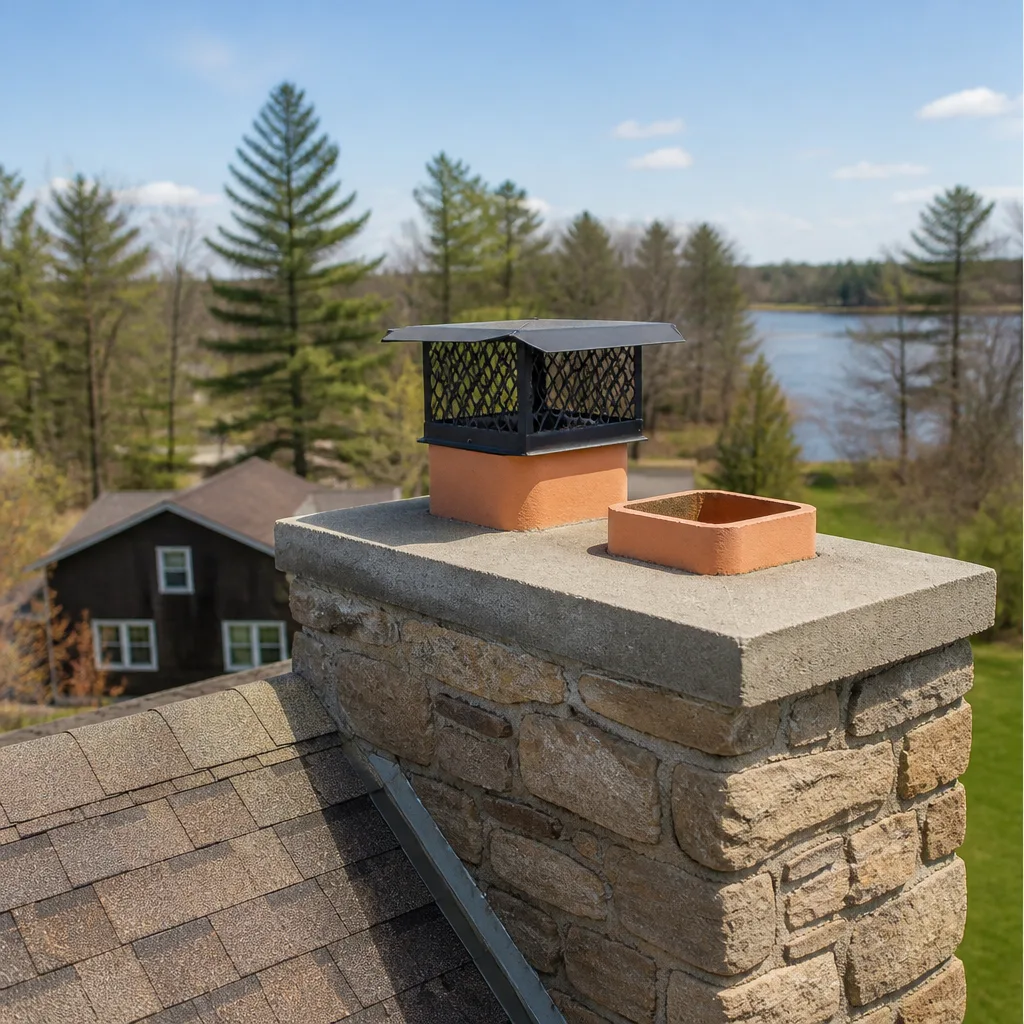
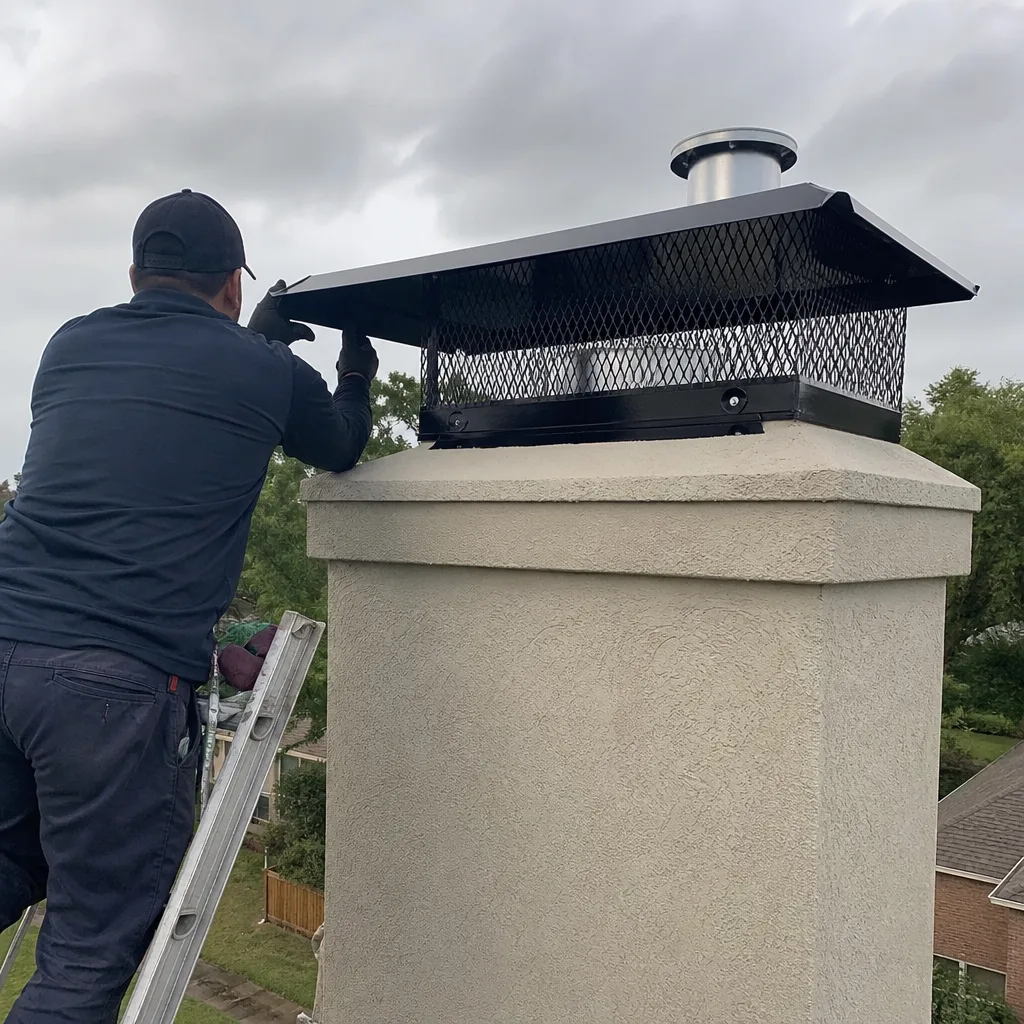
- Look at the cap from the ground. The chimney cap is the metal cover at the top of the flue. It’s supposed to sit straight and fully cover the flue opening. After a Houston summer of high winds and storms, we regularly see caps that have shifted, bent, or blown completely off. From the ground, use binoculars or your phone camera zoomed in. If the cap is cocked to one side or missing, do not use the fireplace until it’s fixed. A missing cap lets rain, leaves, birds, and – in Houston’s case – palm-sized roaches into the flue.
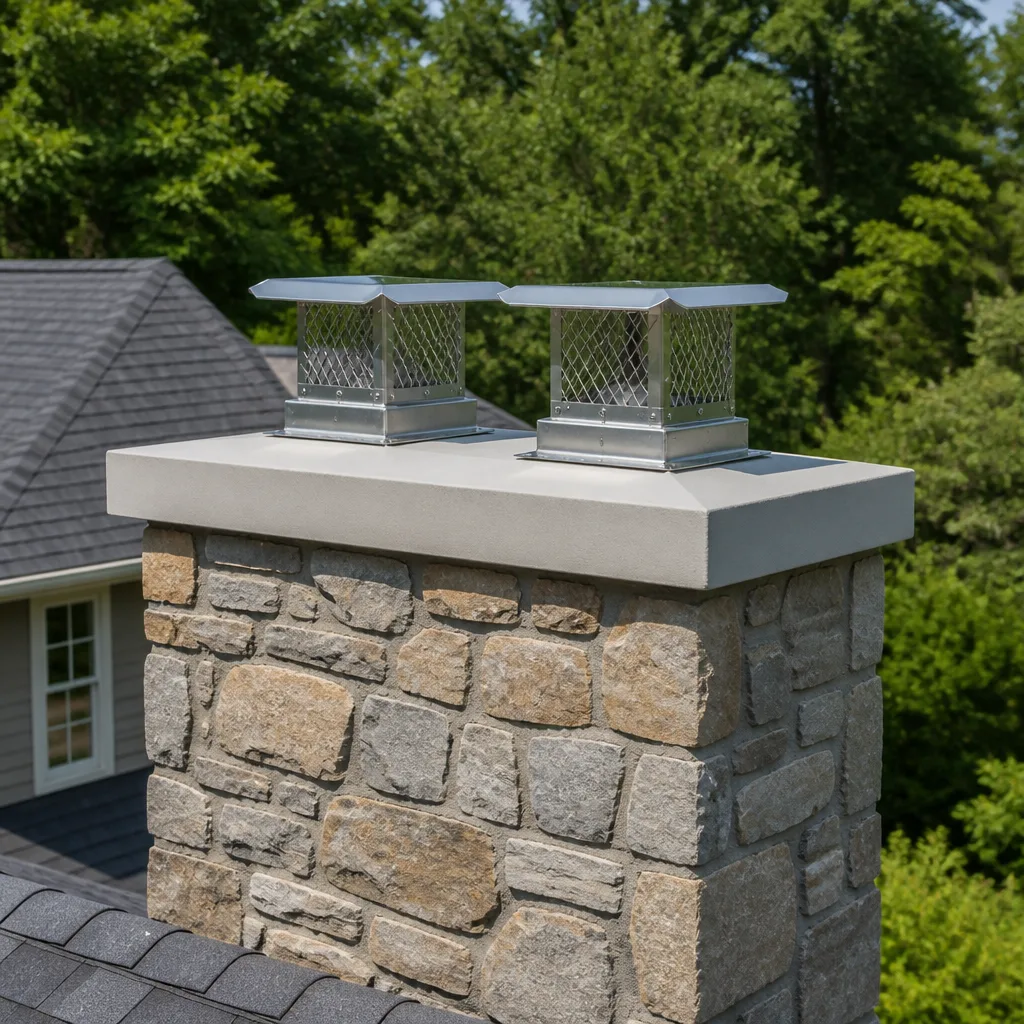
- Check the crown (the concrete surface at the top). From the ground you can usually see the crown is cracked if it’s bad enough. Hairline cracks won’t be visible, but big cracks and missing chunks will be. The crown is the umbrella of the chimney. When it fails, water goes directly into the masonry. In Houston, that water then sits there for months. If you can spot cracks from the ground, it’s already time for a professional repair.
- Inspect the flashing from inside the attic if you have access. Flashing is the metal that seals the seam where the chimney meets the roof – a prime leak point in Houston homes, especially after wind-driven hurricane rain. From the attic, look for water stains on the roof decking around the chimney, rust on the metal, and any daylight coming through the seam. If you see any of those, you have a flashing leak.
- Look inside the firebox with a flashlight. Check the firebrick (the heat-resistant brick lining the firebox). Look for gaps between bricks, missing mortar, and any brick that has shifted. Check the damper – the metal plate that opens and closes the flue – for rust and proper operation. Run your hand along the firebox walls. If mortar crumbles when you brush it, it’s doing the same thing under heat.
- Schedule a professional sweep and inspection if you haven’t had one in 12 months. A standard Chimney Sweep in Houston includes removal of creosote and soot and gives the technician a chance to spot problems that aren’t visible from outside or from the firebox. Most sweeps in Houston run between $150 and $300. That’s the cheapest insurance against a chimney fire you’ll ever buy.
What not to skip in November:
One thing we tell every Ashby Chimney Houston home owner: do not skip the pre-burn inspection because “we only used the fireplace twice last year.” Low use doesn’t mean no damage. Houston’s problem is water, not usage. The fireplace can sit unused for eleven months and still have a cracked crown that’s been letting water into the brick since March. You’ll light that first fire in December and that water turns to steam, which expands and cracks the brick further. What was a $400 crown repair in November becomes a $2,500 masonry rebuild by spring.
Burn Season Checks (December – February): What to Watch While You’re Using the Fireplace
Houston’s burn season is short but active. December through February accounts for most fireplace use in this city, and most problems that show up during these months are performance and odor problems – signs of a blockage, a draft issue, or excess creosote.
December through February, check these things every two to three fires:
- Watch the smoke behavior. Smoke should go up the chimney, not into the room. If smoke is backing into the room, especially on windy days, you may have a draft problem, a partially blocked flue, or a damper that isn’t fully open. Don’t keep burning if smoke is rolling back into the room.
- Notice any new odors. A smell like an old campfire when the fireplace is cold is normal. A strong, sour, or smoky smell that appears when the fireplace is not in use, especially on humid days, often indicates creosote buildup in the flue or water sitting in the smoke chamber. In Houston, where humidity keeps the flue damp, that smell can be stronger than in dry climates.
- Listen for unusual sounds. A crackling sound during a fire is normal. A roaring sound that gets louder and is accompanied by a noticeable draft increase is not. That’s a sign of a chimney fire. If you hear a loud roar from the chimney, call the fire department, then have the chimney inspected before using it again.
- Check for soot buildup in the firebox. After a few fires, shine a flashlight up the flue from the firebox. If you can see thick, black, shiny creosote building up on the flue walls (the clay or steel tube that vents combustion gases out of your home), it’s building up fast. Creosote is highly flammable. If it’s a quarter-inch thick, schedule a sweep. If it’s thicker, stop burning until it’s cleaned.
- Monitor your carbon monoxide detector. This should be a year-round habit in any Houston home with a fireplace, but it’s especially important during burn season. If your CO detector goes off while burning, open windows, leave the house, and call the fire department. Then have the chimney and flue checked before further use.
The most common December call we get in Houston:
It’s the smell. A homeowner lights the first fire of the year in an unseasonably cold week, and within an hour the whole house smells like smoke. They call us, and nine times out of ten it’s one of three things: a dead bird or nest in the flue (because the cap was knocked off in a storm), a damper that isn’t fully opening because of rust, or a cold flue that needs the air warmed before the fire will draw properly. The Nest and Rust problems get fixed with a sweep and damper repair. The cold flue problem is actually a technique fix – a homeowner can prevent it by opening the damper and lighting a rolled-up piece of newspaper in the firebox to warm the flue before starting the fire.
Dormant Season (March – May): The Humid Months That Reveal Hidden Damage
After the last fire in February, most Houston chimneys sit unused for eight or nine months. That doesn’t mean they’re fine. It means they’re now in the most revealing part of the calendar, because moisture problems that were hidden by fire use suddenly show themselves.
What to check March through May:
- White, chalky deposits on brick or mortar. That’s efflorescence, and it means water is passing through the masonry. In Houston, this is the number one sign of a crown, cap, or flashing problem. The water evaporates from the brick surface and leaves mineral salts behind. A little efflorescence after a wet spring is common, but if it’s spreading, the water source is active and persistent.
- Flaking or spalling brick. Spalling is when the brick face starts to peel or flake off. This happens when water inside the brick expands and contracts with temperature changes. Houston’s freeze-thaw cycles are mild compared to northern cities, but they happen enough – especially during February and March cold snaps – to trigger spalling in weakened brick. Spalled brick cannot be patched; the brick has to be replaced.
- Rust staining. Look for orange or brown staining on the exterior chimney, especially around the cap, damper hinges, or flashing. Rust means water is hitting metal, and metal components that rust in Houston rust quickly. A rusted damper may not open properly next season. Rusted flashing leaks.
- Interior water stains. Check the ceiling around the fireplace, the walls adjacent to the chimney, and the attic area around the chimney for water stains that appeared during spring rains. A stain that shows up in March or April means water has been getting in for a while. The leak is likely the flashing or the crown.
- Animals. Spring is when birds, squirrels, and raccoons look for nesting sites, and an uncapped chimney is a prime target. Listen for chirping or scratching from the chimney area. If you find a nest, do not try to remove it yourself if animals are present. Call a professional, and get a proper cap installed once the animals are out.
Why the dormant season is the best time for repairs:
This sounds obvious but most Houston homeowners don’t think about it: if you discover a problem in March, you have eight months to fix it before you need the fireplace again. Repairs scheduled in spring or summer happen on your timeline, not an emergency timeline. Prices are also less affected by the December rush. A brick crown replacement in March might get scheduled within a week; the same repair in mid-December could take two to three weeks because every chimney company in Houston is handling the same wave of “we smelled smoke at Thanksgiving” calls.
Storm Prep (June – November): Protecting Your Chimney Before and After Hurricanes
Houston’s hurricane season runs from June 1 through November 30, and it’s the period when your chimney is at the highest risk of sudden, storm-driven damage. You don’t need a direct hit. Houston’s regular summer thunderstorms, with their high straight-line winds and heavy driving rain, can damage a chimney cap, crown, or flashing just as effectively as a named storm.
Before storm season (May/June):
- Verify your cap is secure. Walk outside and look at the cap. Is it straight? Is it noticeably shifted from last year? A cap that’s already loose is a cap that’s going airborne in the first 50 mph wind gust.
- Clear debris from around the chimney base. Leaves, branches, and dead vegetation hold moisture against the brick. In Houston’s climate, that moisture accelerates mortar deterioration. Keep a clear zone of about two feet around the base.
- Check the crown for existing cracks. If you noticed hairline crown cracks during your November inspection and did not repair them, now is the time. Water will find those cracks during the next storm and it will be inside the masonry system for months.
- Trim overhanging branches. A branch scraping against the chimney during a storm can knock off a cap or damage the crown. Anything within six feet of the chimney should be trimmed back.
After a significant storm or any hurricane:
- Do a ground-level visual check within 48 hours. Look for a missing or displaced cap, visible crown cracks, new brick damage, or anything that looks different from your baseline photos (more on those below).
- Check the firebox and smoke chamber for water. Shine a flashlight up into the flue. If you see water stains, damp spots, or standing water, the chimney took water in during the storm.
- Check the attic around the chimney. Look for fresh water stains on attic floorboards or rafters near the chimney. This is the fastest way to confirm a flashing leak.
- Document everything with photos. If you file an insurance claim, your chimney documentation matters. Photos of the exterior, the firebox, and the attic from before and after the storm make your claim much easier.
The Houston-specific storm problem: wind-driven rain
Wind-driven rain is rain that falls at an angle because of high wind. It doesn’t just fall on the chimney from above; it gets pushed against the sides, into the mortar joints, and under the cap and crown. Standard chimney designs handle vertical rain well. They handle wind-driven rain much worse. This is why so many Houston chimneys develop leaks even when their cap and crown are in decent shape. If you live in a neighborhood with taller houses nearby that create wind tunnels – Montrose, the Heights, parts of Memorial – your chimney gets hit with more wind-driven rain than a house in a flat, open suburban area. That’s a real variable; it’s not you imagining things.
The Ground-Level Visual Check: What to Look For Without a Ladder
Most Houston homeowners are not going to climb onto their roof, and they shouldn’t. Roof work on a two-story Houston house with a 12/12 pitch after a rainstorm is not a DIY situation. But you can learn a lot from ground level with the right technique.
How to do a proper ground-level check:
- Stand 20 to 30 feet back from the house. Use binoculars or your phone camera at full zoom. You want a clear view of the chimney cap, crown, and the top few feet of brick.
- Check the cap in four directions. Walk around the house if you can. A cap that looks fine from the front may be visibly bent or shifted from the side or back. The cap should sit flat and centered over the flue opening.
- Look at the crown from two angles. The crown should look like a smooth concrete surface with no obvious cracks. If you can see a crack from 30 feet away, it’s a significant crack.
- Scan the entire visible brick surface. Move your eyes slowly from top to bottom. Look for missing mortar, cracked or spalled brick, white efflorescence, and dark streaks that indicate water stains.
- Check the flashing from the ground. You won’t get a perfect view, but you can often see the flashing line where the chimney meets the roof. If you see lifted metal, rust, or obvious gaps, that’s a flashing issue.
- Photograph the same spots from the same angles every time. This is the baseline habit we’ll cover in the next section, and it’s the most important part of the ground-level check.
Inside the firebox, what to check without any tools:
- Broken or shifted firebrick. The firebrick lining the firebox should be tight and even. Gaps let heat reach the masonry structure behind the firebox, which was never built to take direct flame.
- Visible cracks in the firebox floor or walls. Hairline cracks are common and often benign. Cracks wider than a dime, or cracks that have shifted out of alignment, need a professional look.
- Damper condition. Open and close the damper. It should move smoothly and stay in position. Rusted dampers that won’t fully open or close are a common Houston problem because of the humidity.
- Debris in the firebox. After a storm or a windy week, check for leaves, twigs, and water-swept debris that came down the flue. Debris in the firebox means the cap isn’t doing its job.
Photographing Your Chimney: Building a Baseline That Protects You Later
Here’s a Houston homeowner scenario we see regularly. You hire a chimney company to do a repair. They tell you the crown is cracked and needs to be rebuilt. A year later, you call them back for an inspection. They tell you the crown has new cracks and needs another repair. You have no way to know if they’re telling the truth, because you never photographed the crown after the first repair.
This is avoidable. Your phone is the single most valuable chimney maintenance tool you own.
What to photograph every year, and when:
- Photograph the cap and crown twice a year. Once in early November, before burn season, and once in May, after spring rains. Stand in the same spot, zoom the same amount, and take photos from at least two angles. These photos are your baseline.
- Photograph the firebox interior once a year. Use a flashlight and your phone’s wide-angle lens. Capture the firebrick, damper, and the visible portion of the smoke chamber. These photos establish what the inside looked like before any contractor worked on it.
- Photograph the exterior brick from front and back. Efflorescence, spalling, and staining are progressive problems. Photographs let you see whether a problem is getting worse or has stayed the same for three years.
- Photograph any repair the moment it is complete. New crown? New cap? New flashing? Photograph it immediately. If a contractor later claims new damage, you have a timestamped photo showing the condition of the work when they finished.
- Store the photos somewhere organized. A folder on your phone called “Chimney – Year” with subfolders for each check is sufficient. If you ever sell the house, this documentation is genuinely useful for the new owner. It’s also useful if you need to file an insurance claim for storm damage.
What a problem actually looks like in photos:
- Crown cracking: A line across the concrete surface that looks like a crack in a sidewalk. Hairline cracks may not show in photos. Cracks wide enough to see are wide enough to worry about.
- Spalling brick: Missing brick faces. The brick looks like it’s shedding a layer. These show well in photos because the exposed inner brick is a different color.
- Efflorescence: A white, powdery stain. It often appears in patches. Document its size and location so you can tell if it’s spreading.
- Cap problems: A cap that’s tilted, dented, or rusted shows clearly in photos. So does a cap that’s completely gone, which leaves the flue opening fully exposed.
- The date of service. Simple, but more important than it seems. Guarantees are time-based. If a repair fails 11 months later, you need to know exactly when the clock started.
- What was done, in plain language. Don’t rely on the contractor’s shorthand. Write it out yourself: “Replaced clay flue liner, top 15 feet. Installed new stainless cap. Repaired two cracks in crown with sealant.”
- What materials were used. Ask the technician. “What brand of cap is that? What type of mortar did you use?” Good companies answer this question. Companies that get vague are telling you something.
- Photos of the finished work. As covered above. The photo is your most reliable record.
- The guarantee terms. Ask, in writing, what is covered and for how long. A serious company will provide this without hesitation.
- The name of the technician. If you have a problem later, you want to be able to say “Javier did the original repair” rather than “someone from your company.”
Keeping a Service Record: Your Best Defense Against Phantom Damage Claims
When you hire a chimney company, you often don’t get much paperwork. You get an invoice, maybe a receipt, and that’s it. Six months later, when a different company comes out and says “whoever worked on this last didn’t do it right,” you have no record of what was actually done, when, and by whom.
This is the problem the Kingswell Guarantee was built to solve. Written documentation is standard practice – not a favor.
What to record every time someone works on your chimney:
What a good service record gets you:
If you ever need Fireplace Repair in Houston and a contractor tells you the previous repair was done wrong, you can pull out your record and know exactly what the previous repair actually was. Was the crown replaced or just sealed? Was the liner replaced or just cleaned? The difference matters, and without your own record, you’re trapped between two contractors pointing fingers at each other. You are not a referee. You are a homeowner with a record. That record changes the whole conversation.
At Ashby Chimney Houston, we put the price, the scope of work, and the guarantee in writing before any work starts. That’s not a selling point. In our experience, it’s the minimum standard for doing business honestly, and the fact that it’s rare in this industry is the reason we lean on it so hard. Nathan Corliss, who runs our Houston shop, will tell you the same thing: a chimney company that won’t write down what it’s going to do and for how much is a company you shouldn’t let onto your roof.
Maintenance Cost Reference for Houston
Here’s what Houston chimney maintenance typically costs, so you can plan rather than get surprised:
| Service | Typical Houston Range | Notes |
|---|---|---|
| Standard chimney sweep | $150 – $300 | Includes basic flue inspection |
| Sweep with Level 2 inspection | $250 – $500 | Recommended if you’ve had a storm, animal entry, or system changes |
| Crown repair (minor crack sealing) | $200 – $500 | Depends on crack extent and access |
| Crown rebuild (major) | $1,000 – $2,500 | Complete removal and recast |
| Chimney cap replacement (standard stainless) | $200 – $600 | Depends on flue size and installation difficulty |
| Flashing repair or replacement | $300 – $1,200 | Varies with roof pitch and chimney location |
| Damper repair or replacement | $200 – $800 | Depends on damper type and rust extent |
These ranges are based on what we see across Houston, from Sugar Land to Kingwood to Cypress. They are not quotes. The only number that matters is the written price you get before work starts. We provide that on every job. So should everyone else.
Common Mistakes to Avoid
- Ignoring the chimney because you rarely use the fireplace. Houston’s chimney problems are driven by water, not fire. A fireplace that’s never used still has a cap, crown, and flashing that take direct hits from our weather.
- Scheduling your first sweep in December. Every Houston chimney company is slammed in December. You’ll wait longer and have fewer scheduling choices. Get it done in October or November.
- Skipping the post-storm visual check. After a hurricane or strong storm, you check your fence, roof, and windows. Most Houston homeowners never check their chimney. A displaced cap or cracked crown from a June storm sits there for five months until the first December fire.
- Ignoring white efflorescence. That white chalky deposit is not just cosmetic. It’s evidence of active water movement through your masonry. The longer you wait, the more extensive the repair becomes.
- Burning unseasoned wood. Wet or green wood burns cooler and produces more creosote. In Houston, where firewood often sits outside in high humidity, this is a year-round problem. Store firewood off the ground and covered, and burn only wood that’s been seasoned at least six months.
- Painting or sealing the chimney without understanding the problem. Painting a chimney with efflorescence or water stains doesn’t fix water intrusion; it traps it. If water is getting in, fix the source first. A good sweep will tell you if the chimney needs to breathe or be sealed, and with what product.
- Using the fireplace as a garbage incinerator. Burning treated lumber, painted wood, cardboard, or wrapping paper creates toxic fumes and corrosive byproducts. Paper ash is light and can float up the flue still burning, landing on a roof or yard. Burn only seasoned wood.
When to Call a Professional
Some chimney work is genuinely DIY-able: the visual checks, the photography, the service record. But many situations call for a trained eye and proper tools.
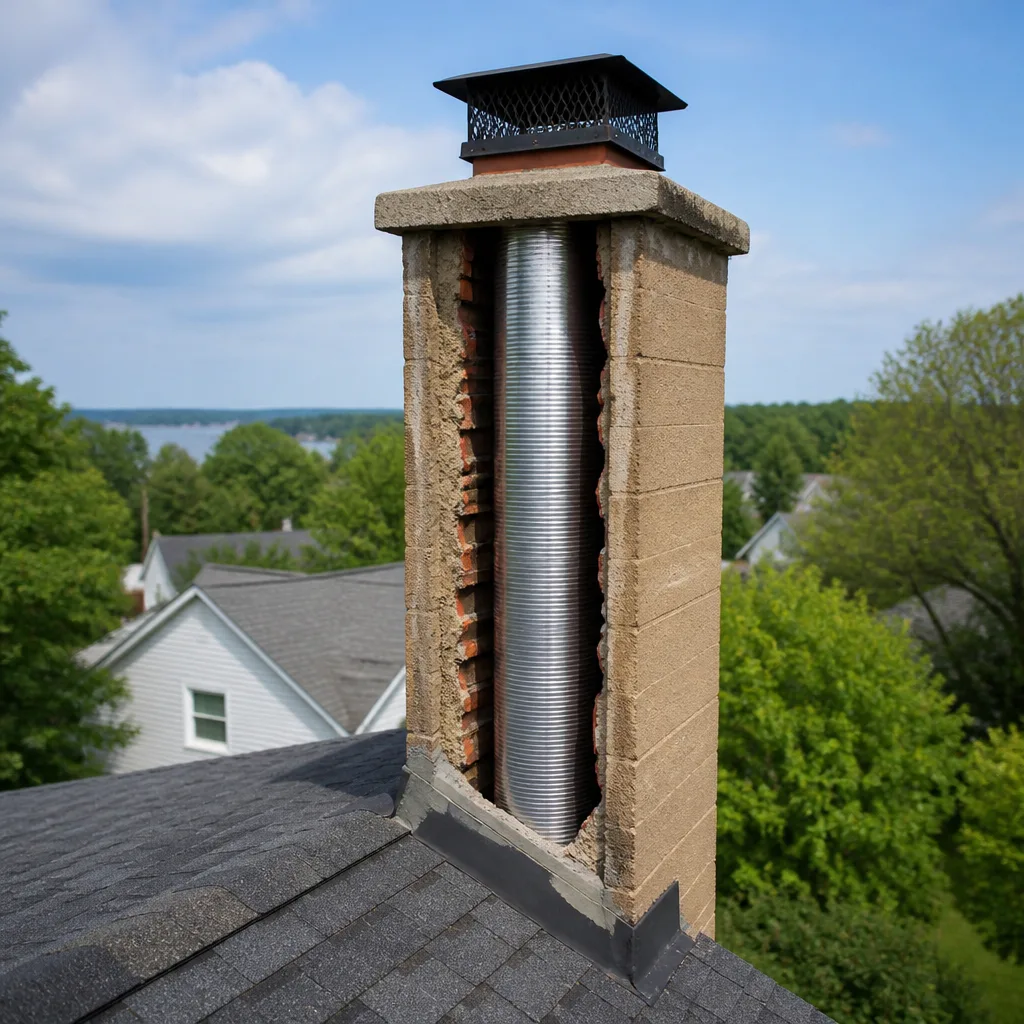
Call a professional when: the cap is missing or damaged; the crown has visible cracks; the flashing is rusted or lifted; efflorescence is spreading; brick is spalling; the damper is stuck or rusted; smoke is backing into the room; you hear animal sounds in the chimney; your carbon monoxide detector goes off while the fireplace is in use; or it’s simply been more than 12 months since a sweep. A blocked, cracked, or leaking flue (the clay or steel tube that vents combustion gases out of your home) is not a homeowner fix. It’s a safety system.
Chimney Sweep in Houston at Ashby Chimney Houston offers free estimates. Call (903) 961-6496 and talk to a live person, any time, day or night. We’ll give you a written price before any work starts.
Frequently Asked Questions
A Houston chimney should be swept at least once per year, regardless of how often you use the fireplace. Low use doesn’t mean low risk. Houston’s chimney problems are primarily water-driven, not creosote-driven, so the annual visit is really about the inspection that accompanies the sweep. If you burn more than about two cords of wood a season, sweep twice. A standard sweep runs $150 to $300 in Houston and most companies bundle a basic visual inspection with the service.
A standard chimney sweep in Houston costs between $150 and $300, depending on the size of the flue, the amount of creosote buildup, and whether the chimney has been recently maintained. If you add a more thorough inspection, like a video scan of the flue interior, expect the total to run $250 to $500. At Ashby Chimney Houston, you get a written price before any work starts, so the number on the invoice matches the number you agreed to. Call (903) 961-6496 for an exact quote – estimates are free.
The signs of storm damage to a Houston chimney include a missing, tilted, or dented cap; visible crown cracks that weren’t there before; lifted or rusted flashing; new water stains in the attic around the chimney; and debris or water inside the firebox. Wind-driven rain from Houston’s storms can also force water into existing mortar cracks, which shows up later as efflorescence or interior water stains. Do a ground-level check within 48 hours of any significant storm.
Yes, and it should be in good condition. A chimney cap keeps rain out of the flue, which matters in a city that gets 50 inches of rain a year. It also keeps birds, squirrels, and raccoons from nesting in the flue during the spring. Without a cap, water mixed with creosote creates an acidic slurry that eats through mortar and can rust out the damper. A replacement cap for a typical Houston chimney runs $200 to $600.
Nothing dramatic, at first. Small cracks get slightly bigger. Moisture works a little deeper into the mortar. The cap rusts a little more. Then one December, when you light the first fire of the year, you smell smoke in the house because a chimney swift built a nest in the flue. Or the damper won’t open because it’s rusted from rain that came in through a cracked crown. Or a brick face pops off because water trapped in the masonry finally froze and expanded. The repair that would have been a few hundred dollars in year one is now a few thousand, and you’re dealing with it during the busiest month of the chimney calendar. If it’s been more than a year since your last sweep, call (903) 961-6496 to get on the schedule before burn season.
Gas fireplaces still need maintenance, though the schedule is different. If you have a gas log set in a wood-burning fireplace, the chimney still needs an annual check because the flue is still exposed to Houston’s weather, and gas logs produce water vapor that can damage the flue over time. If you have a direct-vent gas insert or a fully sealed gas fireplace, the chimney is often not in use at all, but the venting system should still be inspected every couple of years. The basic rule: any vent that goes through your roof is a potential water entry point in Houston, and water entry is the problem we’re always managing.
The Bottom Line
A Houston chimney maintenance checklist isn’t a one-size-fits-all monthly drill. It’s a calendar built around Houston’s three realities: the summer storm season, the brief winter burn season, and the long humid off-season. Check your cap and crown after storms. Schedule a sweep and inspection before the first fire. Watch smoke and odor during burn season. And use the dormant spring months to spot efflorescence, spalling, and water damage that’s been hiding all winter. Photograph everything, keep your own service records, and write down every repair. Your chimney is one of the few systems in your house that can fail silently for years before you notice. A checklist, used consistently, is the difference between a $200 sweep and a $3,000 rebuild you didn’t see coming. For more guides & resources, see our blog.
Written by Nathan Corliss, Owner at Ashby Chimney Houston, serving Houston since 2002.
See the difference
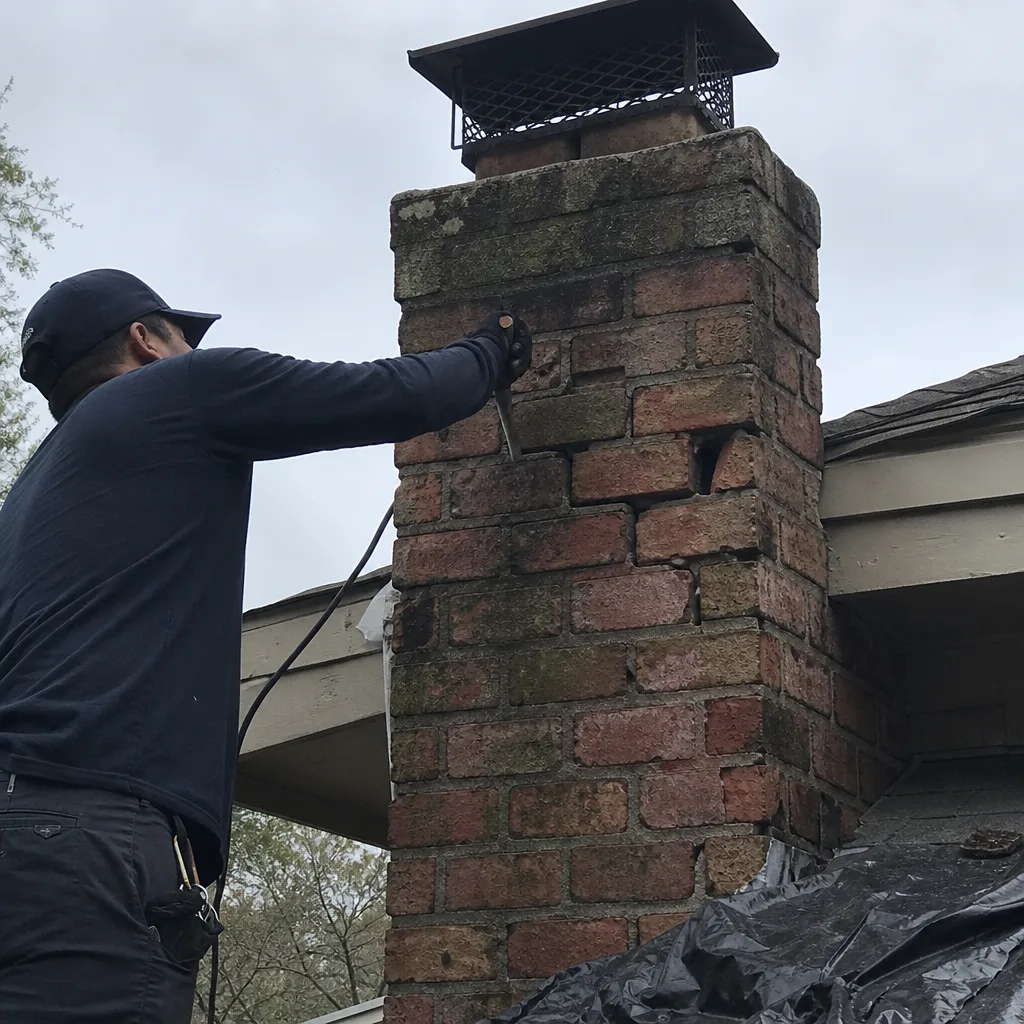 Before
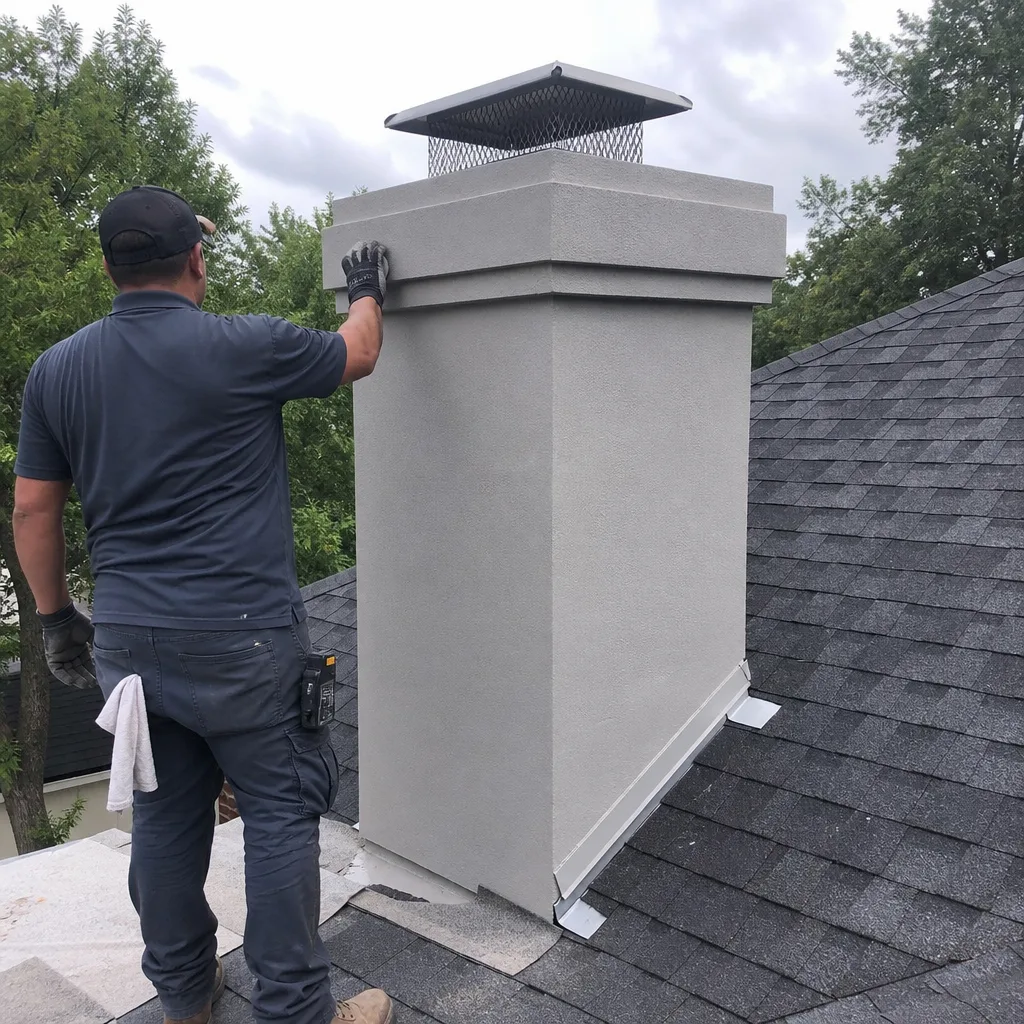 After
After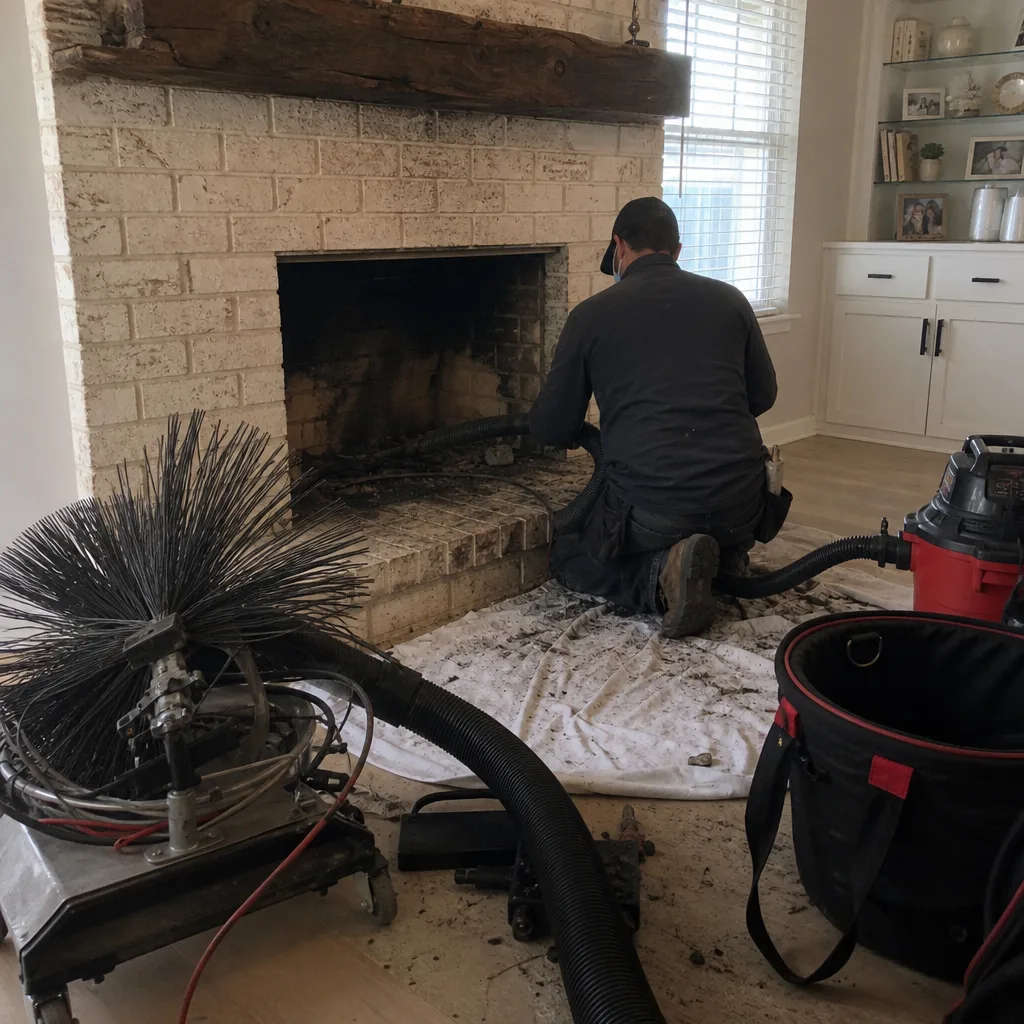 Before
 After
After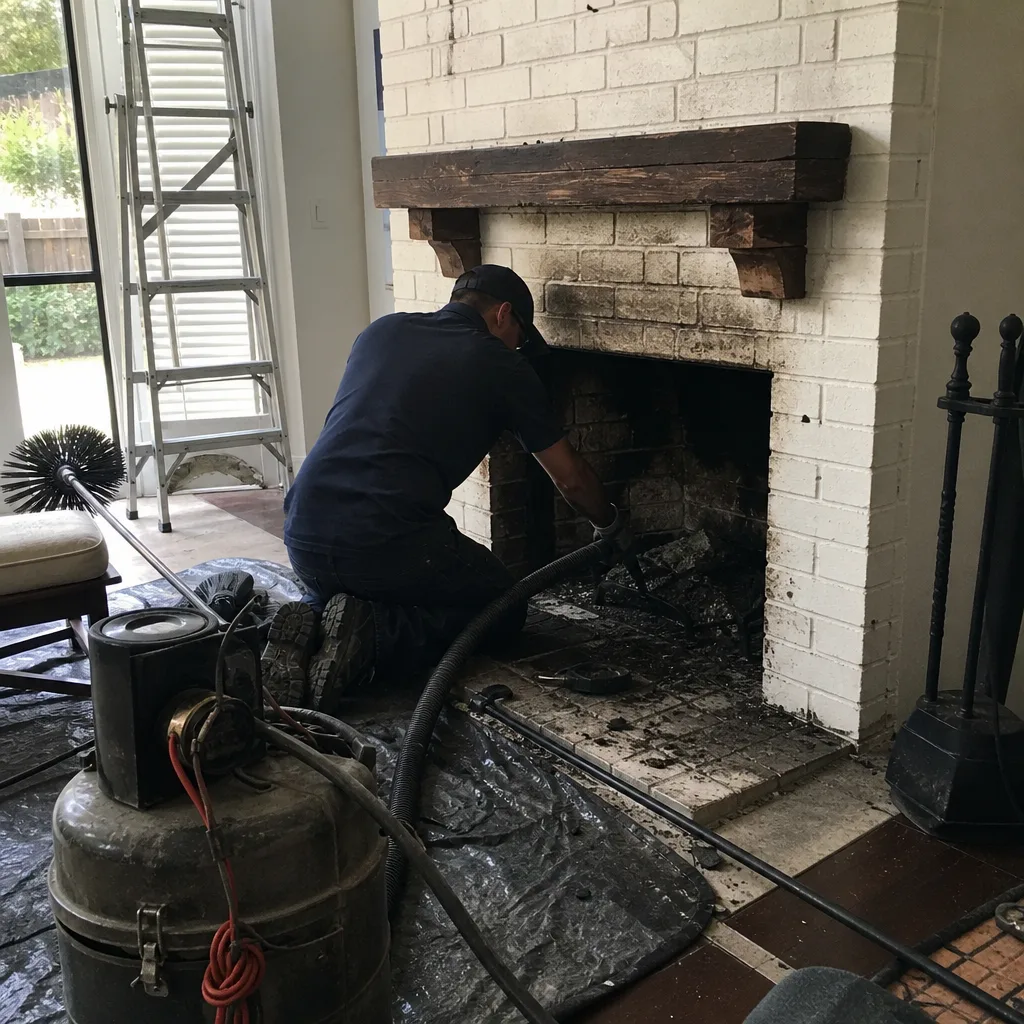 Before
 After
After