
 Sweep & inspection
 Caps & crowns
 Flue relining
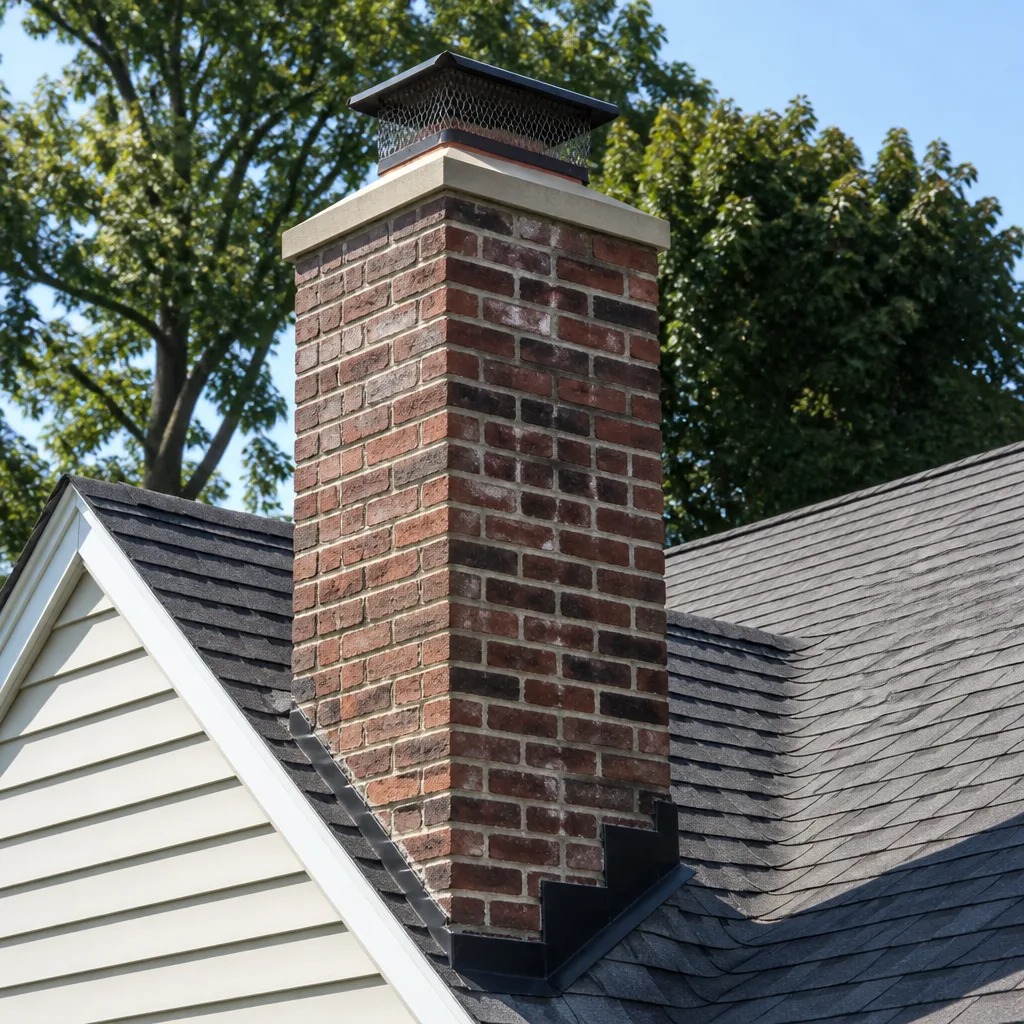 Masonry repair
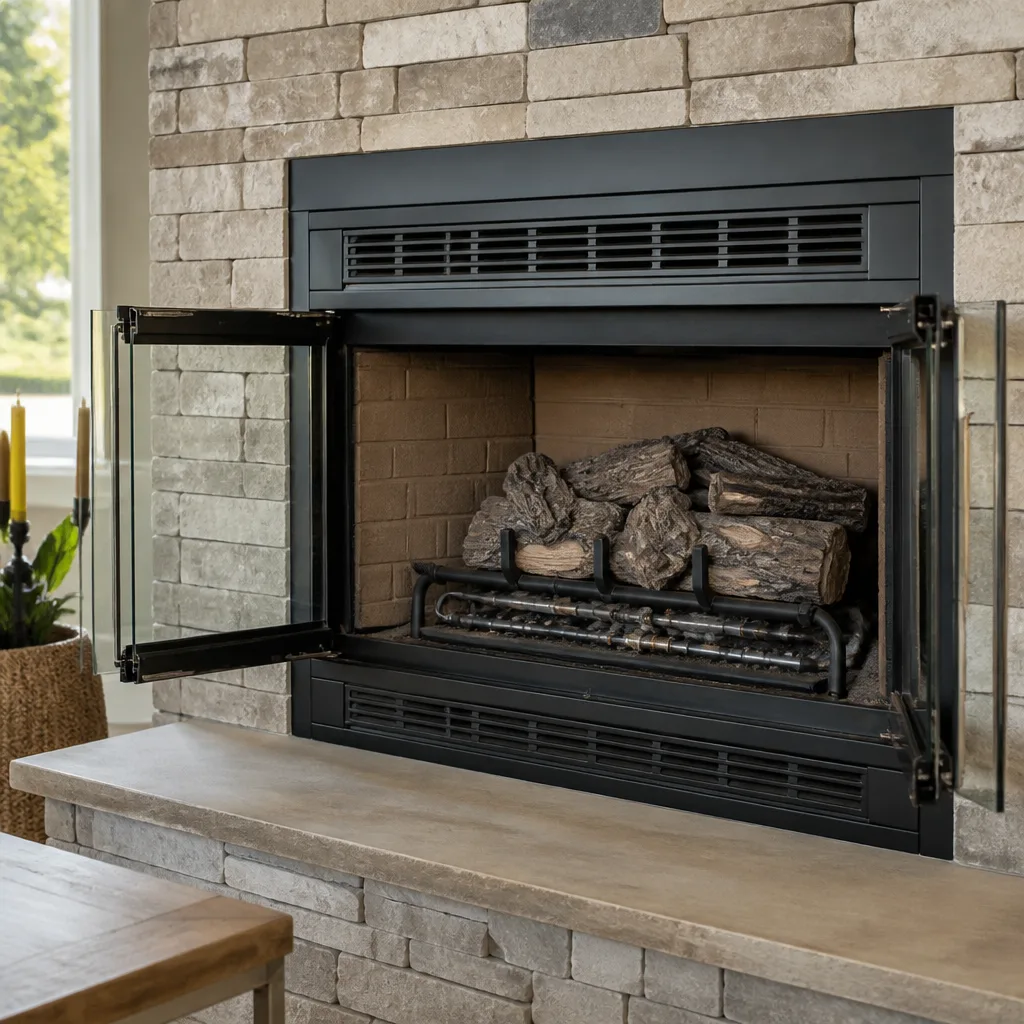 Gas fireplace service
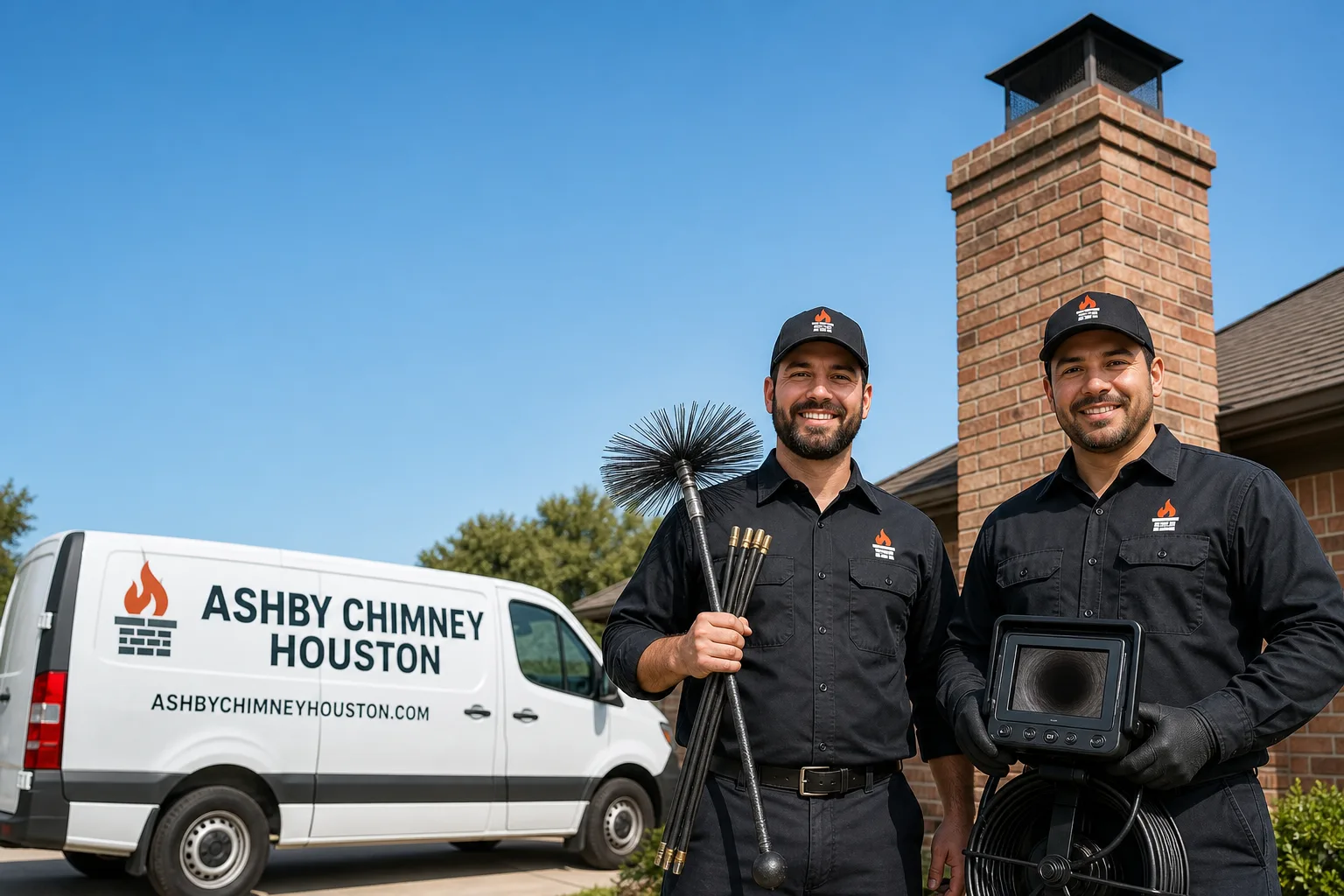
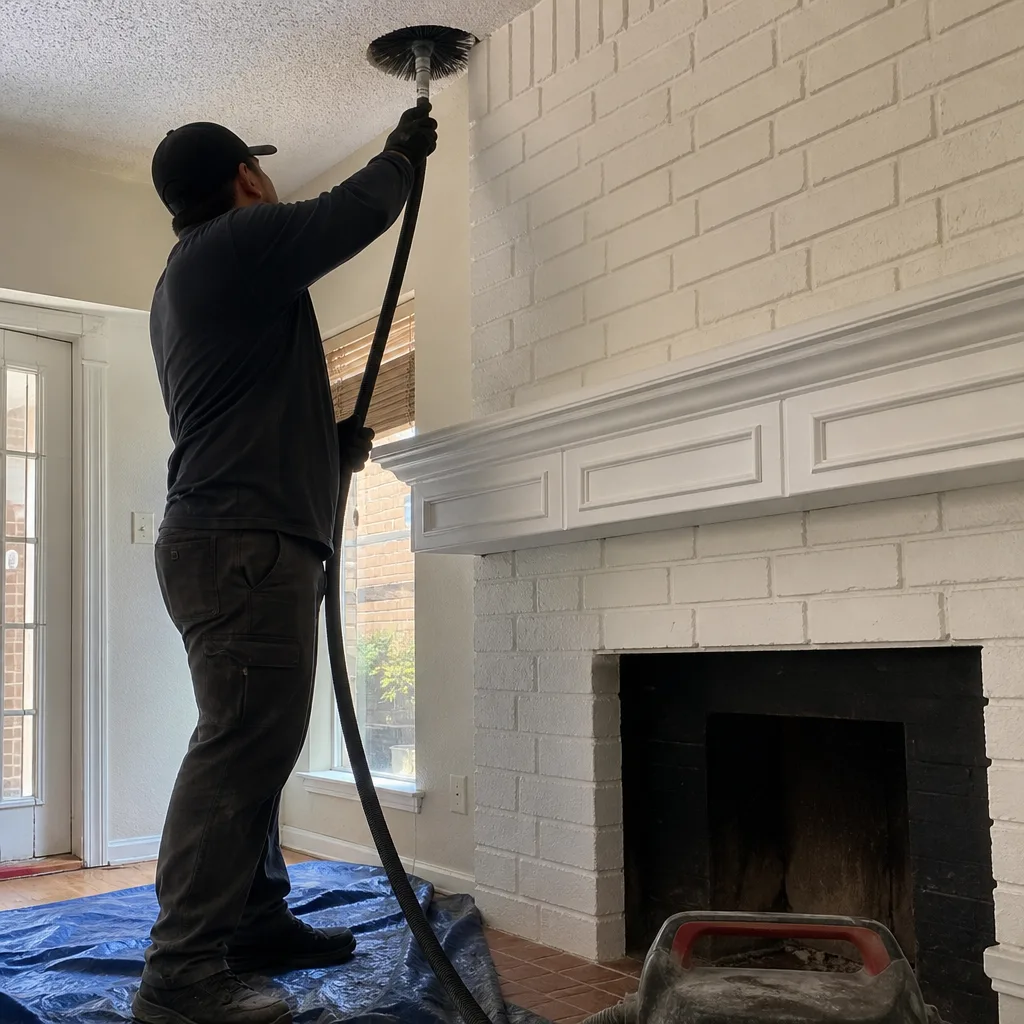
Level 1 sweep and inspection to the NFPA 211 annual standard - flue, crown, cap, and flashing checked and photographed
Chimney sweep logs do not sweep chimneys. They loosen some creosote - which then falls where a brush and vacuum still have to collect it.
Fast, Reliable Chimney Inspection Across Spring
A chimney inspection in Spring, TX typically runs $149 – $389 depending on the level and whether camera scoping is needed, and most jobs take under an hour on site. We serve every side of Spring, from Imperial Oaks to Northampton to the older ranch-style streets off Rayford Road. Ashby Chimney Houston has inspected chimneys across Spring since 2002, and we know what this town’s humid air and intermittent fireplace use do to prefab flues and galvanized caps. Call (903) 961-6496 and we’ll give you a written price before we touch anything.
Why Ashby Chimney Houston Is Spring’s Preferred Chimney Inspection Company
Spring homeowners call us because they’ve been burned before. A sweep who never showed. A quote that doubled at the door. A liner repair that cracked again by the next burning season. We operate under the Kingswell Guarantee, which means every inspection gets a written price first and a written report after. Nothing gets recommended on a hunch.
Nathan Corliss runs our team, and he’s built the company around one habit: show the work before you ask anyone to pay for it. That means camera footage of your flue, photos of rusted dampers or cracked caps, and a straight answer when a chimney is fine and doesn’t need anything yet. We answer the phone with a live person 24/7, which matters when you smell smoke in the house at 9 p.m. on a cold night and need to know whether it’s serious. Our technicians are background-checked and uniformed, so the person walking through your door is exactly who we said it would be. Spring residents have come to expect that from us.
Styles & brands we work with
Chimney Inspection Services in Spring
Chimney Inspection Services in Spring cover three levels defined by the National Fire Protection Association, and most homes here fall into Level 1 or Level 2 depending on what changed since the last visit. A Level 1 inspection runs $149 – $229 and checks the readily accessible parts of the fireplace, flue, and exterior chimney when you’ve been using the system the same way every year with no changes. A Level 2 inspection runs $289 – $389 and adds camera scoping of the entire flue, plus accessible attic and crawlspace checks. It’s required when you’re buying or selling a home, after a chimney fire, after a storm, or when you’re switching fuel type. Spring has a lot of real estate turnover, so Level 2 inspections tied to home sales are common here.
Level 1, Level 2, and Level 3
Level 3 inspections are rare and usually follow a chimney fire or structural event where we may need to remove portions of the chimney to see inside. Nathan Corliss will walk you through exactly why a Level 3 is necessary before any work starts. Most Spring homes with annual burning need a Level 1 each year plus a Level 2 every few years if you’re diligent about burning dry wood.
Camera Inspection
Camera scoping is the part of an inspection that catches what a flashlight from above can’t. We run a high-resolution camera down the flue and look for cracked clay tiles, gaps in the mortar joints, hidden creosote glaze, and corrosion in prefab metal liners. If we find something, you see it on screen with us, not in a report you get three days later.
Real Estate Inspection
Spring’s real estate market moves fast, and a chimney inspection is often a contingency item. We work with home inspectors, buyers, and sellers to get a Level 2 camera report turned around quickly. We show up at the scheduled time and deliver a written report the buyer’s agent can actually use. No wishy-washy language about “possible concerns.” We say what’s wrong, what it costs to fix, and whether it’s a safety issue or just deferred maintenance. For more on what a full Chimney Inspection involves, see our service breakdown.
What happens when you call
- 1
A real person answersNo phone trees - you reach a local pro.
- 2
You get an upfront price rangeHonest numbers before anyone is dispatched.
- 3
A background-checked tech heads outLicensed & insured, dispatched right away.
- 4
You approve before work beginsNothing starts until you say go.
Chimney Flue Inspection in Spring
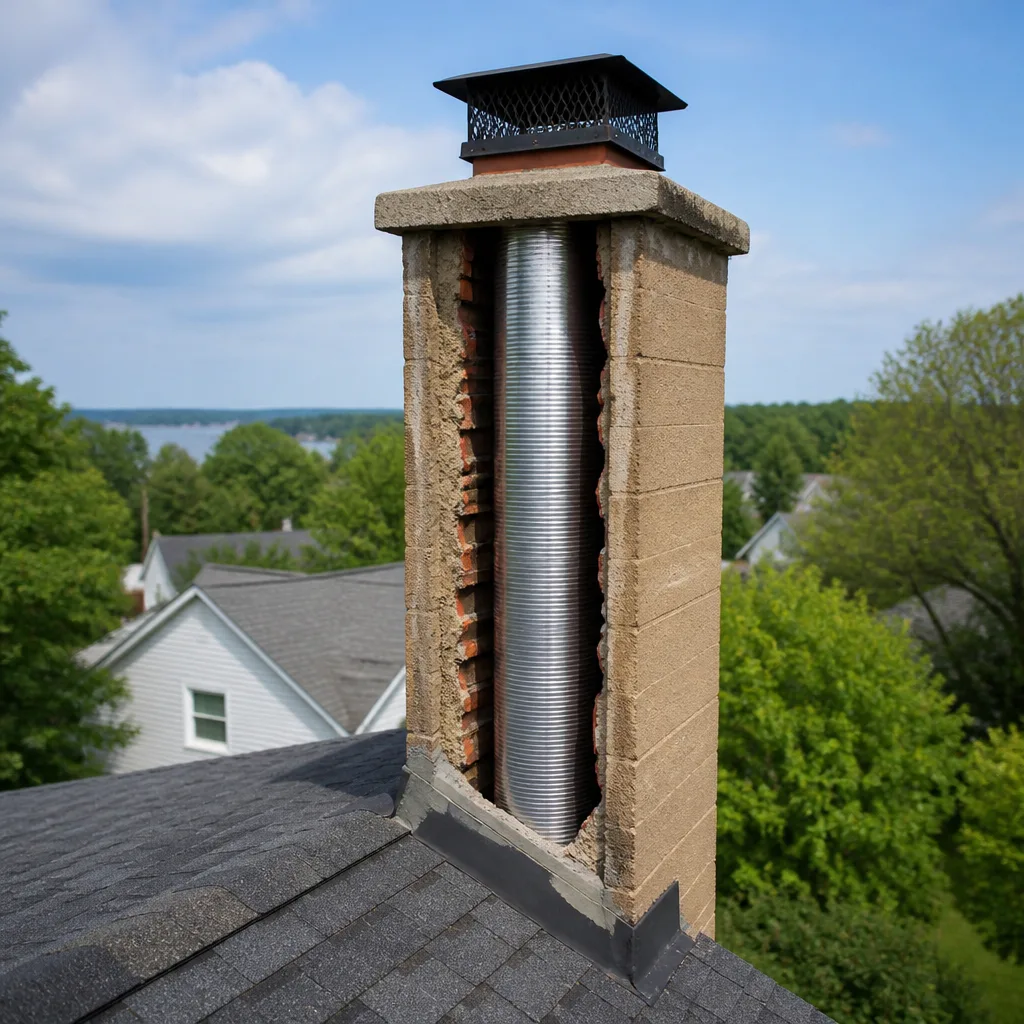
A Chimney Flue Inspection in Spring homes often reveals things the homeowner never suspected, because the flue is the part of the chimney you can’t see from the living room. The flue liner, whether clay tile or stainless steel, is the tube that vents combustion gases out of your home. If it’s cracked, those gases can leak into wall cavities or living spaces. We camera-scope flues as part of every Level 2 inspection, and we recommend it for any Spring homeowner who’s burned unseasoned wood or gone more than two seasons without a sweep.
What We Look For
In Spring specifically, we look for moisture damage inside flues. Humidity from the Gulf works its way into unused chimneys all summer, and come November you light a fire in a flue that’s been damp for months. That moisture causes clay tiles to spall and metal liners to corrode faster than they would in a dry climate. We also check for animal debris. Squirrels and raccoons love a quiet flue, and a rusted cap on the east side of Spring is an open invitation.
Flue Liner Condition
If we find first or second-degree creosote, that’s a maintenance issue. A sweep handles it. If we find third-degree creosote, the hard tarry glaze that looks like black glass, that’s a fire risk and it often means replacing the liner rather than just cleaning it. We’ll show you the camera footage and let you decide with your own eyes. We stock flue repair materials from DuraFlex and HeatShield, so when a liner does need attention, we’re not waiting on a shipment. For the full picture on Chimney Inspection in Spring, that hub walks through all the options.
Trusted Brands We Service in Spring
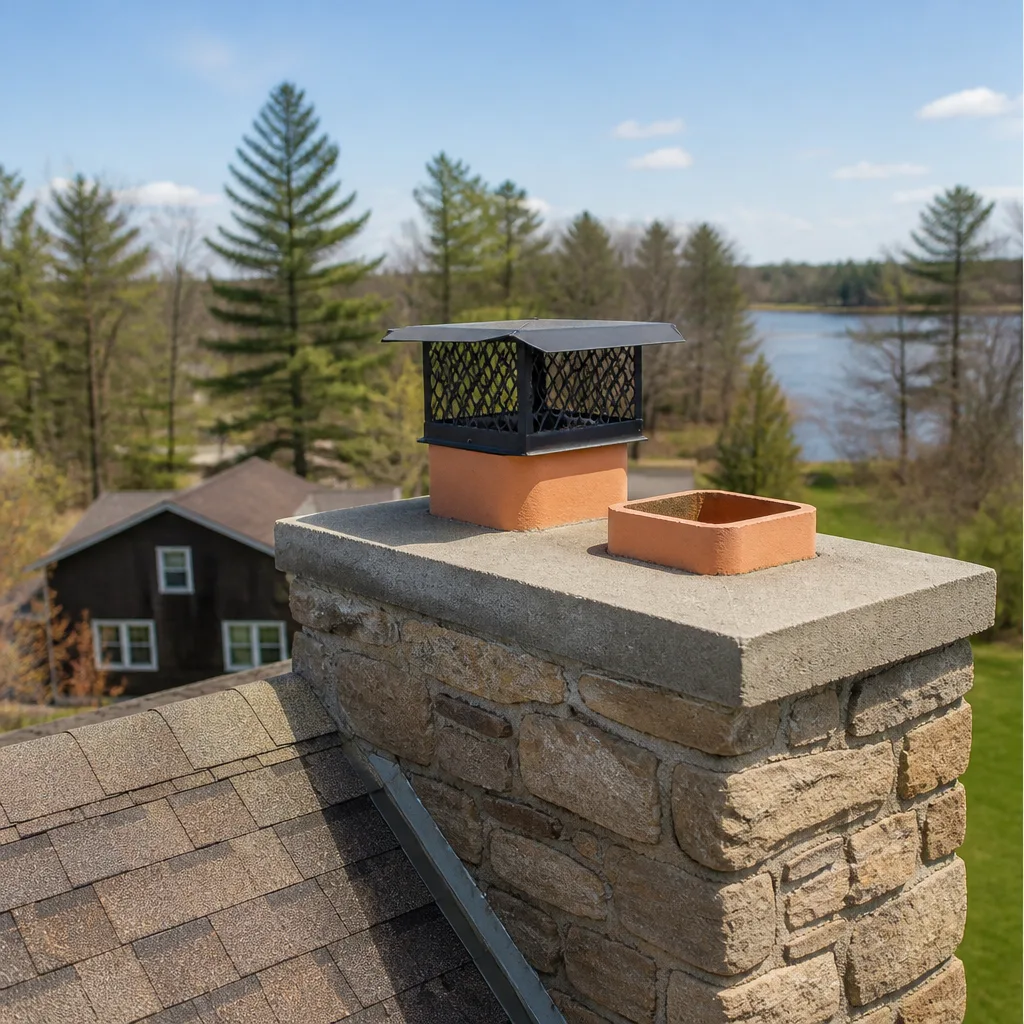
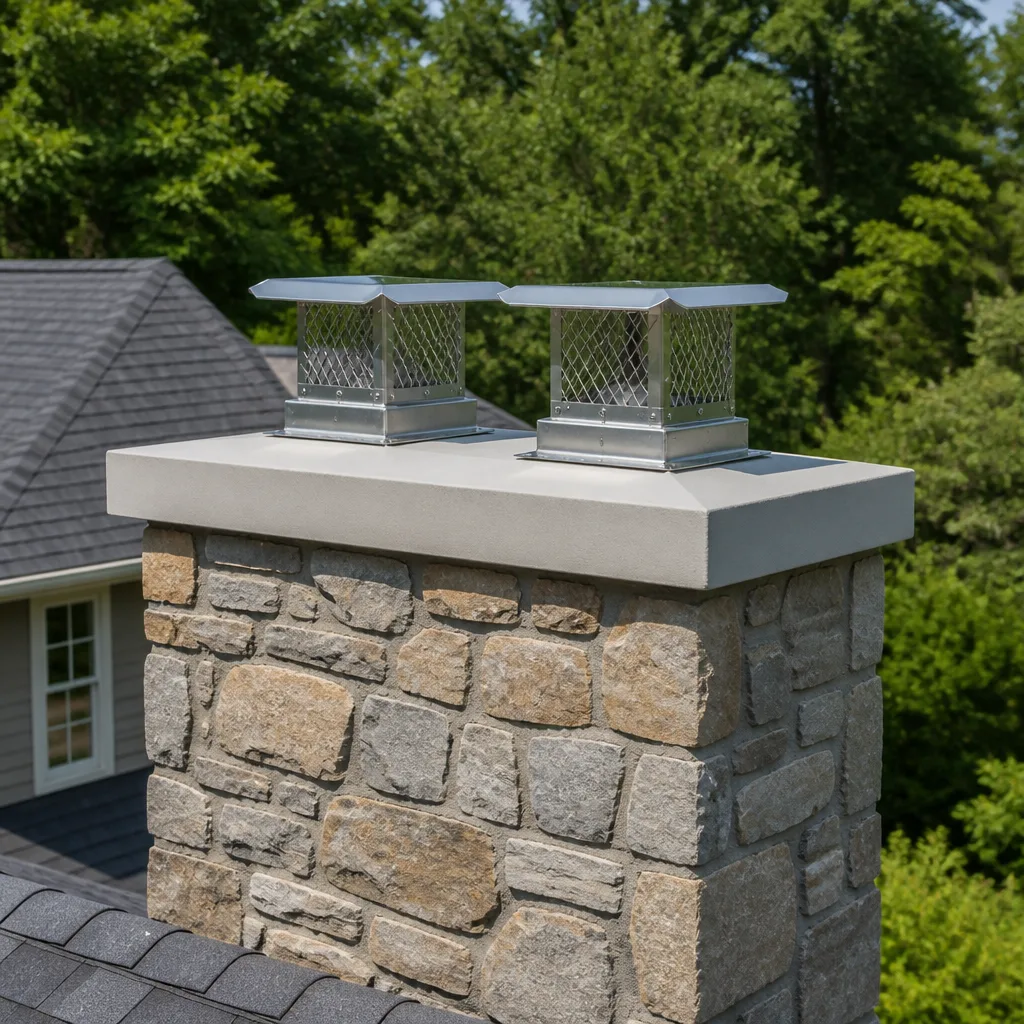
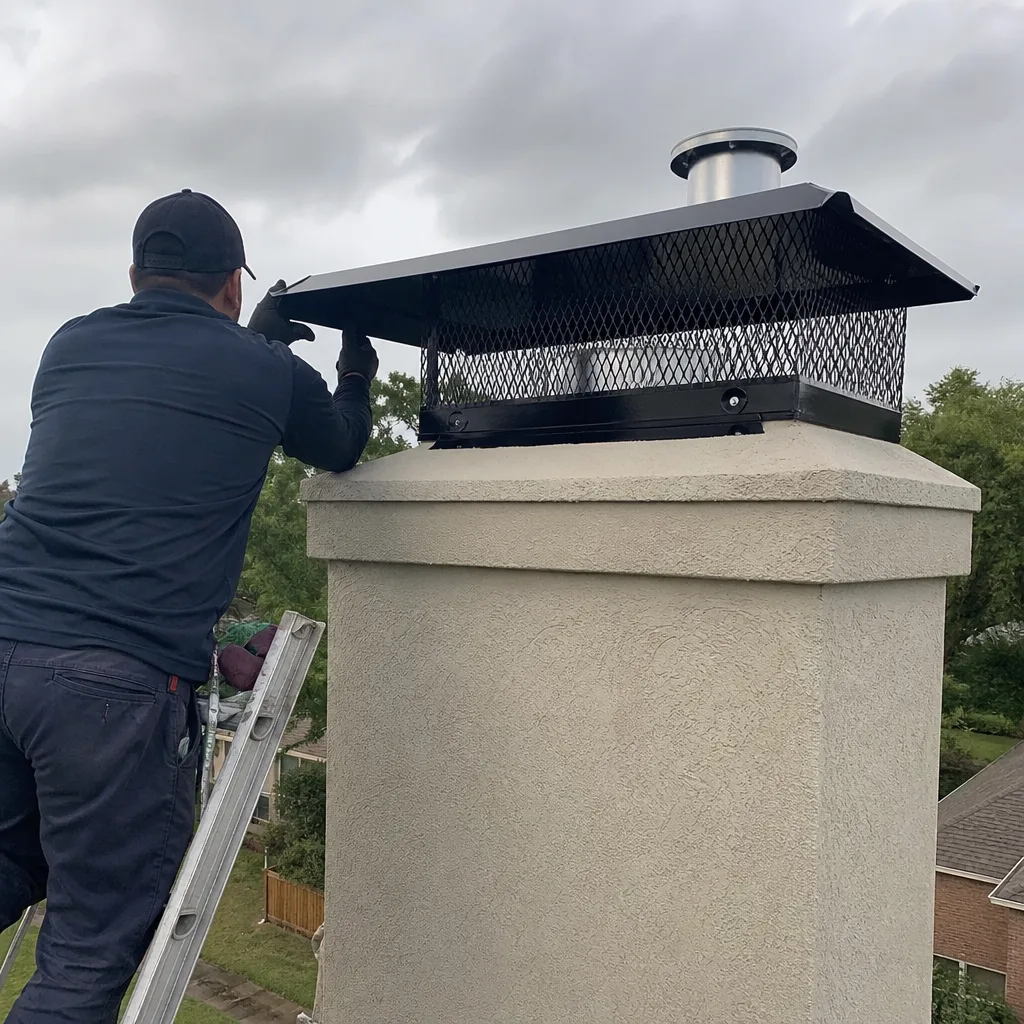
We don’t install whatever is left in the van. Repairs we complete on chimneys in Spring use professional-grade materials from chimney-trade brands like DuraFlex for stainless steel liners, HeatShield for clay tile repair, and Olympia Chimney for caps and chase covers. When a galvanized cap on a Spring home rusts through, we replace it with a stainless steel cap that won’t corrode the same way. We keep common sizes and components stocked for fast turnaround on Spring jobs, which means less waiting between inspection and repair. The brand names aren’t just marketing. They’re the difference between a repair that lasts and one that cracks again six weeks later, which is something too many Spring homeowners have already lived through.
See the difference
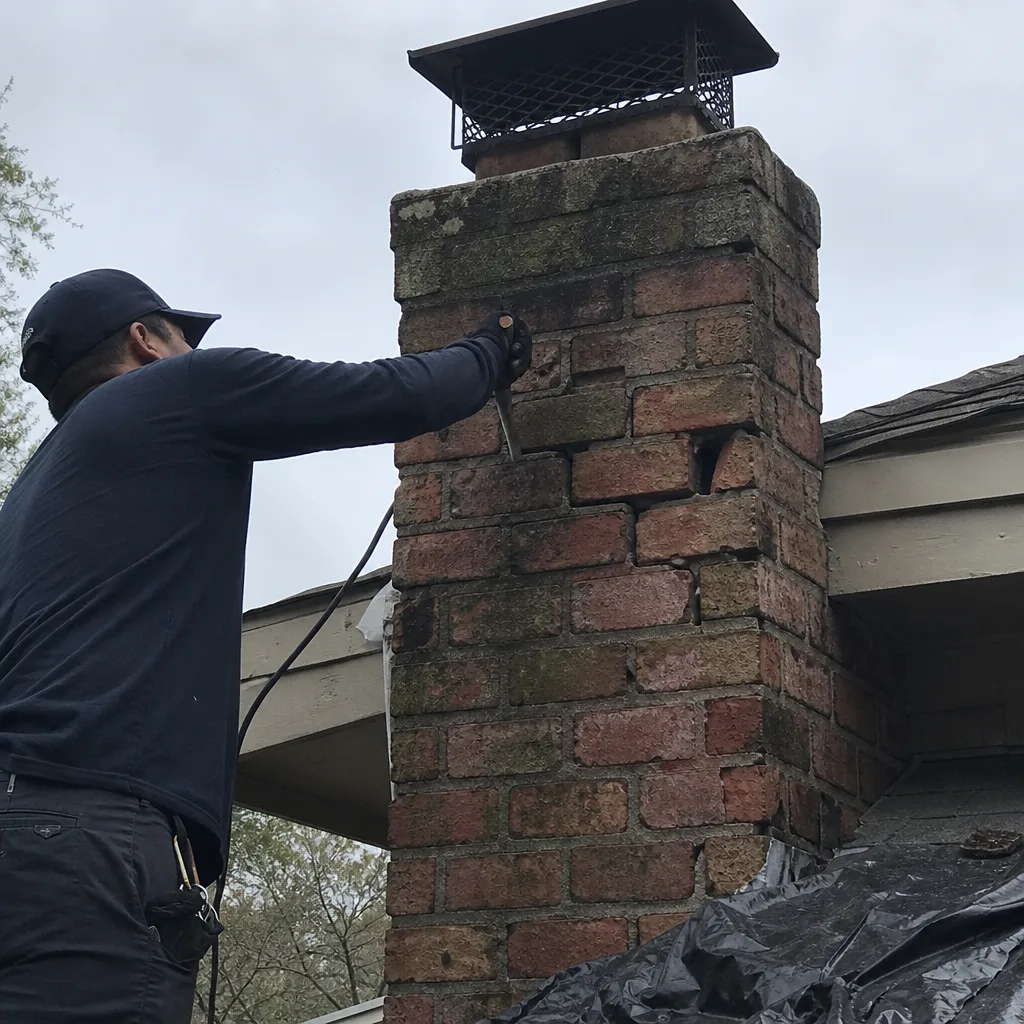 Before
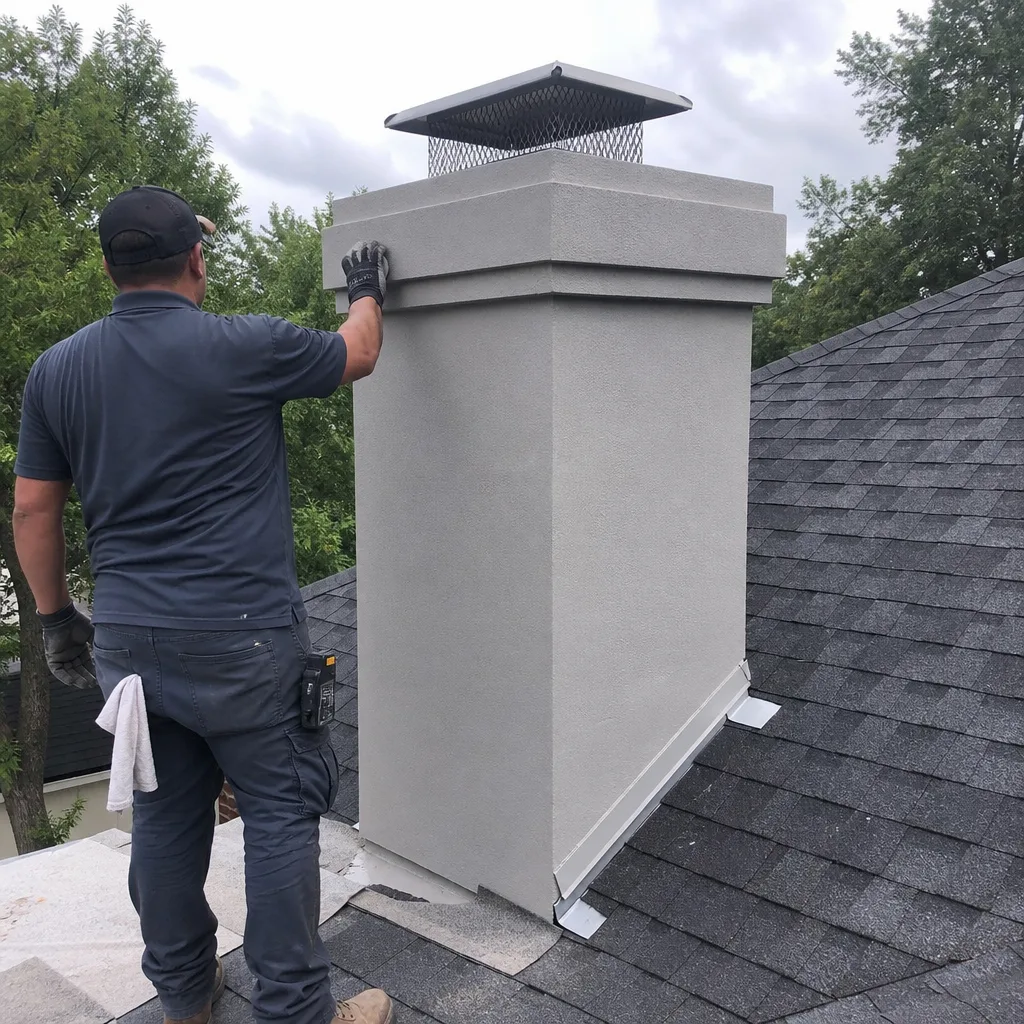 After
After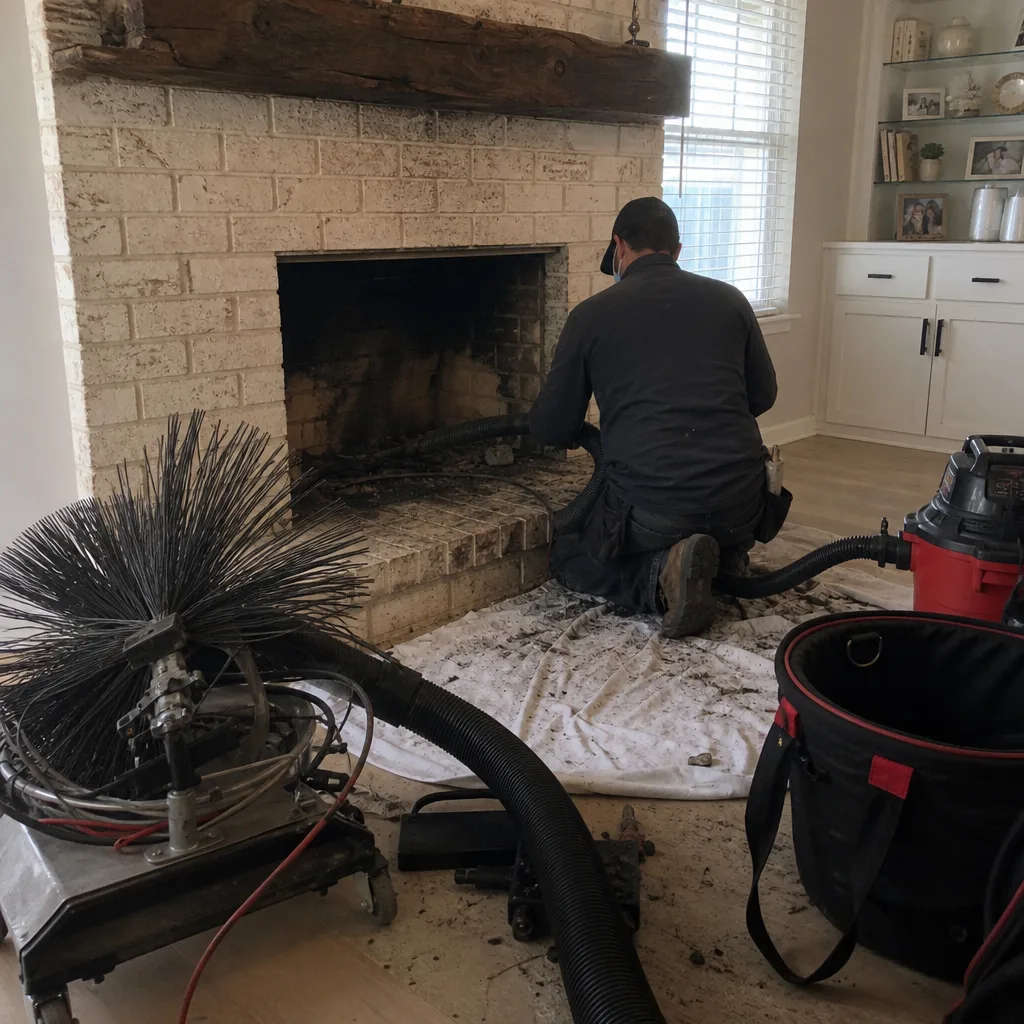 Before
 After
After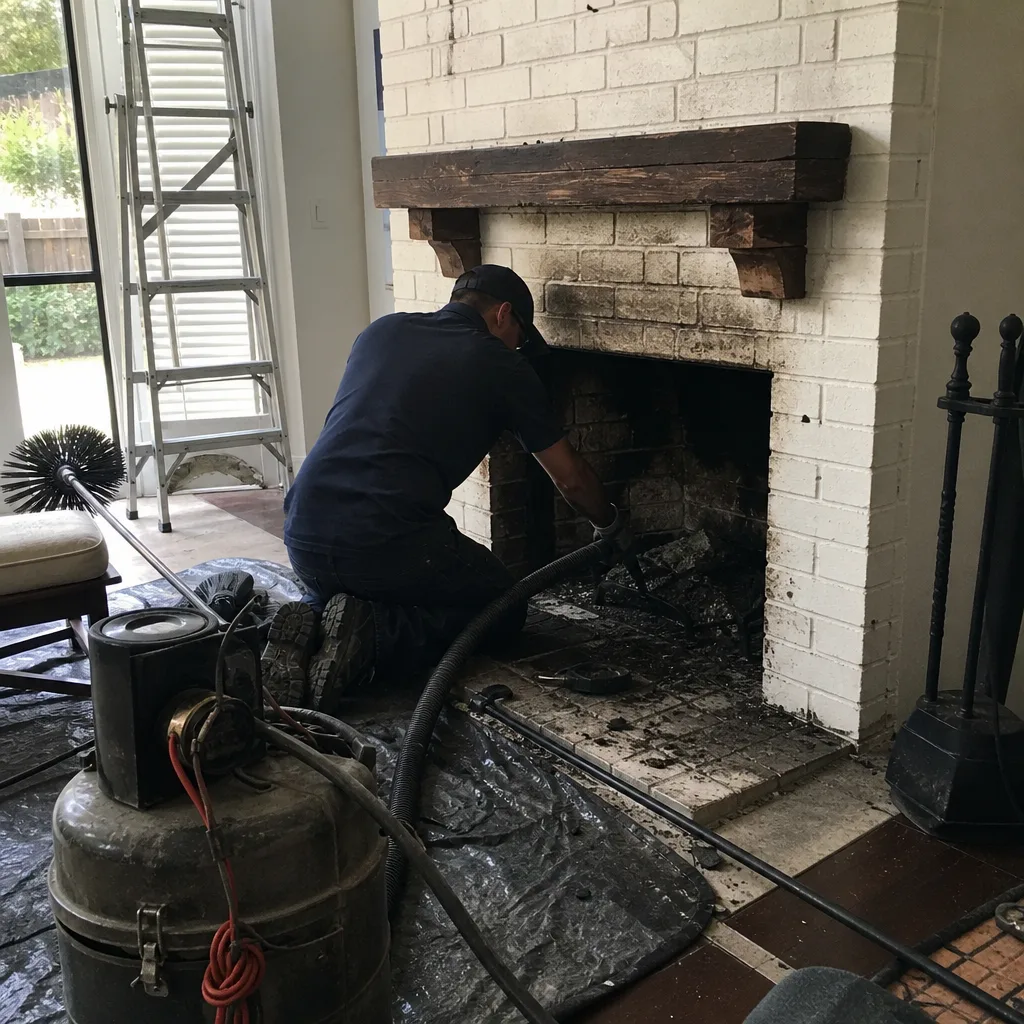 Before
 After
AfterCommon Chimney Inspection Problems We See in Spring Homes
- Rusted-through galvanized caps on the east side. Original builder caps from the 1980s and 1990s corrode within a decade here, and once they fail, rain and squirrels get in. Homeowners usually first notice a musty smell or a “smoky” fireplace that never used to be smoky.
- Third-degree creosote in fireplaces used only a few times each winter. It sounds backward, but low-temperature fires in Spring’s high humidity produce more creosote per burn than hot fires in a dry climate. A flue can glaze over after just two or three seasons of casual use.
- Corroded prefab metal components in 1980s – 2000s builder-grade chimneys. Spring’s rapid suburban growth produced thousands of zero-clearance factory-built fireplaces, and the metal flue liners and dampers in those systems don’t age well in humid air. Many homeowners don’t realize these systems need the same maintenance as a masonry chimney.
- Moisture in unused flues. If you didn’t burn at all last winter, your chimney spent twelve months soaking up humidity. That leads to mold inside the flue, spalling clay tiles, and rust on dampers. An annual inspection catches this before it becomes a liner replacement.
Pricing for Chimney Inspection in Spring, TX
We Also Serve Cities Near Spring
We’re based out of our Houston office, but our crews work throughout Spring and the surrounding communities every week. If you’re in Houston, Highlands, Katy, or Pasadena, we bring the same written-price-before-work guarantee and camera-based inspection standard to your chimney. Call (903) 961-6496 and we’ll get you scheduled on a route that’s already coming through your area.
Serving Spring, TX - Our Local Coverage Area
We’re based in the Spring area and know this community well. Use the map below to see our service coverage - if you’re nearby, we can almost certainly help.
FAQs About Chimney Inspection in Spring
Every year. Even light use in Spring’s humid climate produces creosote faster than the same amount of burning would in a dry climate, because the fires burn cooler and the flue holds moisture year-round. A short annual Level 1 inspection catches buildup before it becomes dangerous, and costs far less than a liner replacement.
Higher than most homeowners expect. Third-degree creosote is a hard, tarry glaze that forms when low-temperature fires and high humidity combine, which describes winter burning in Spring exactly. It’s the most flammable form of creosote and a leading cause of chimney fires. A camera inspection shows whether your flue has reached that stage, and a sweep or liner repair addresses it. Call (903) 961-6496 and we’ll check yours.
Galvanized steel relies on a zinc coating that eventually sacrifices itself to corrosion, and Spring’s humidity accelerates that process. The east side of Spring also gets more rain runoff and prevailing moisture from the Gulf loop, so original builder caps from the 1980s and 1990s commonly fail within ten years. We recommend stainless steel replacements that don’t rust the same way.
Yes. During a Level 1 inspection we open and close the damper, look for rust staining, and check whether it seats properly. In Spring, rusted dampers are common because humid air works its way into unused chimneys all summer. Catching it early means a simple replacement rather than a damper that crumbles mid-winter and leaves your fireplace unusable.
Humidity changes what we look for. In a dry climate, the primary concern is creosote buildup. In Spring, we’re equally concerned with moisture-driven damage: efflorescence on exterior masonry, spalling clay tiles inside the flue, rusted dampers, and mold in unused flues. Our inspections here give extra attention to water entry points and cap condition because that’s what actually fails first.
If you have a fireplace or wood stove in Spring, the time to have it inspected is before you light the first fire of the season. Call Ashby Chimney Houston at (903) 961-6496. We’ll give you a written price, show up at the scheduled time, and hand you a written inspection report with camera footage in hand. No surprises, no scare tactics, just a straight answer about your chimney.
Written by Nathan Corliss, Owner at Ashby Chimney Houston, serving Spring since 2002.