
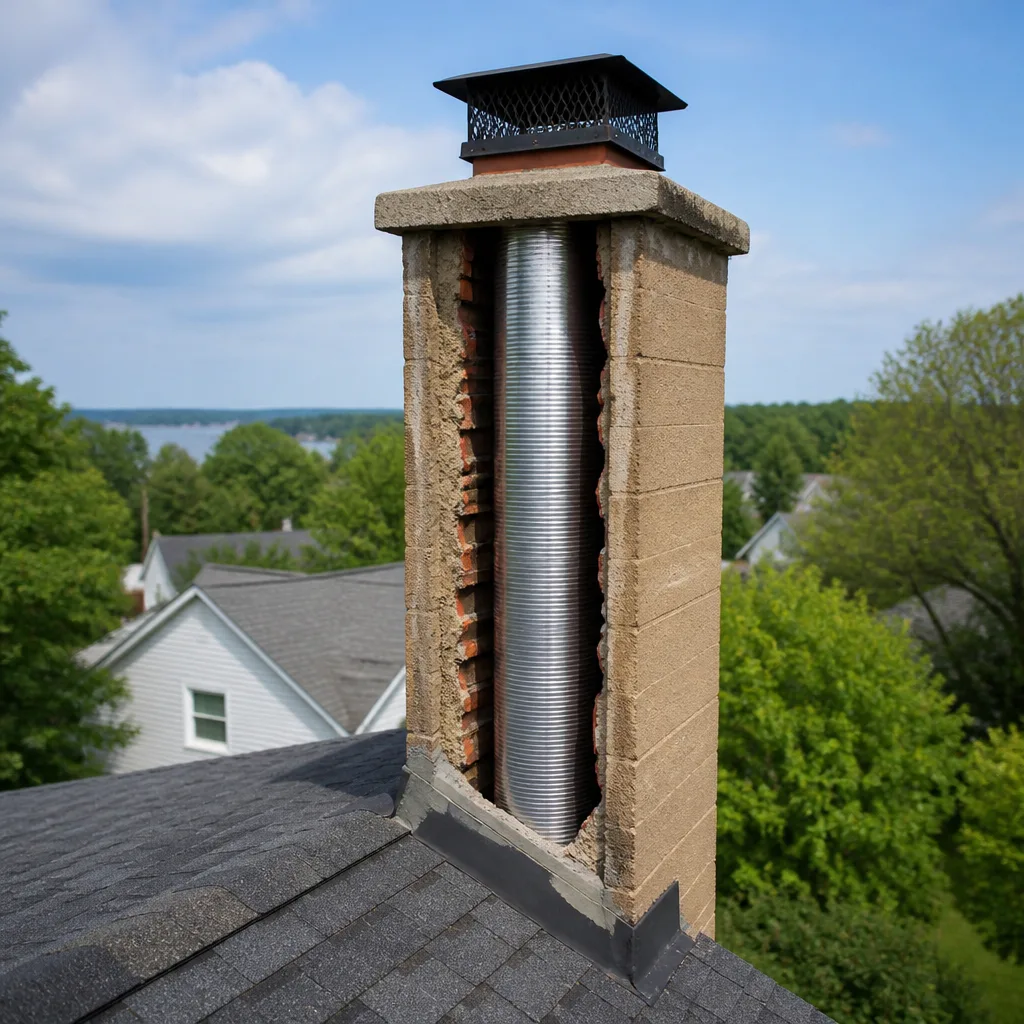
 Flue relining
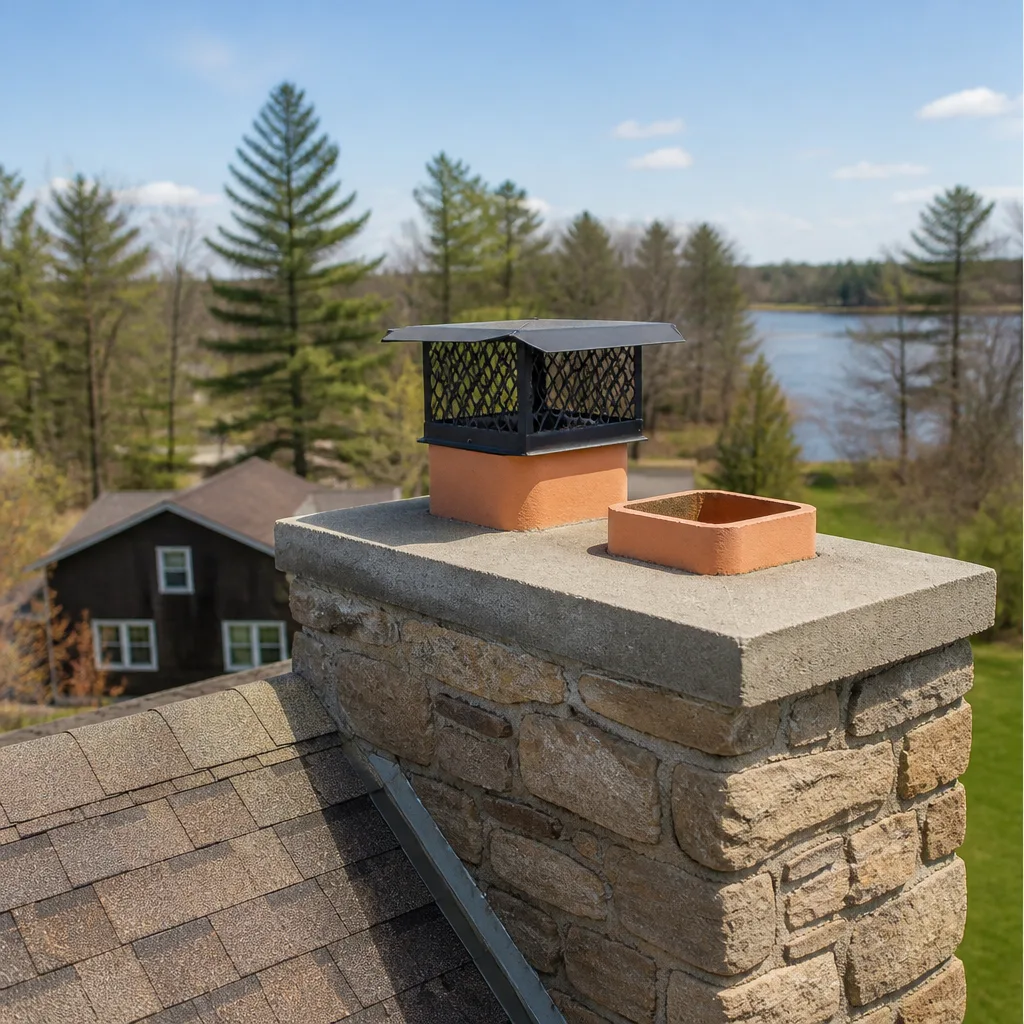 Sweep & inspection
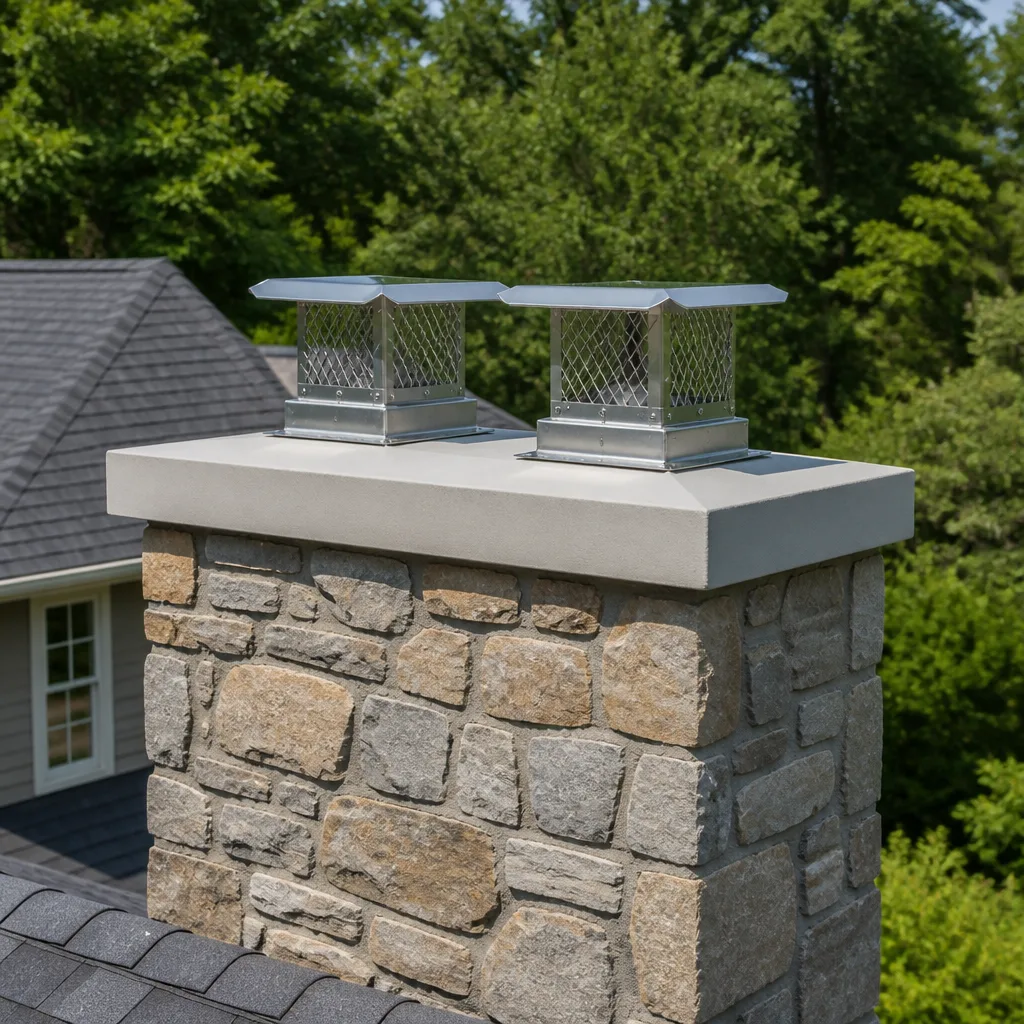 Caps & crowns
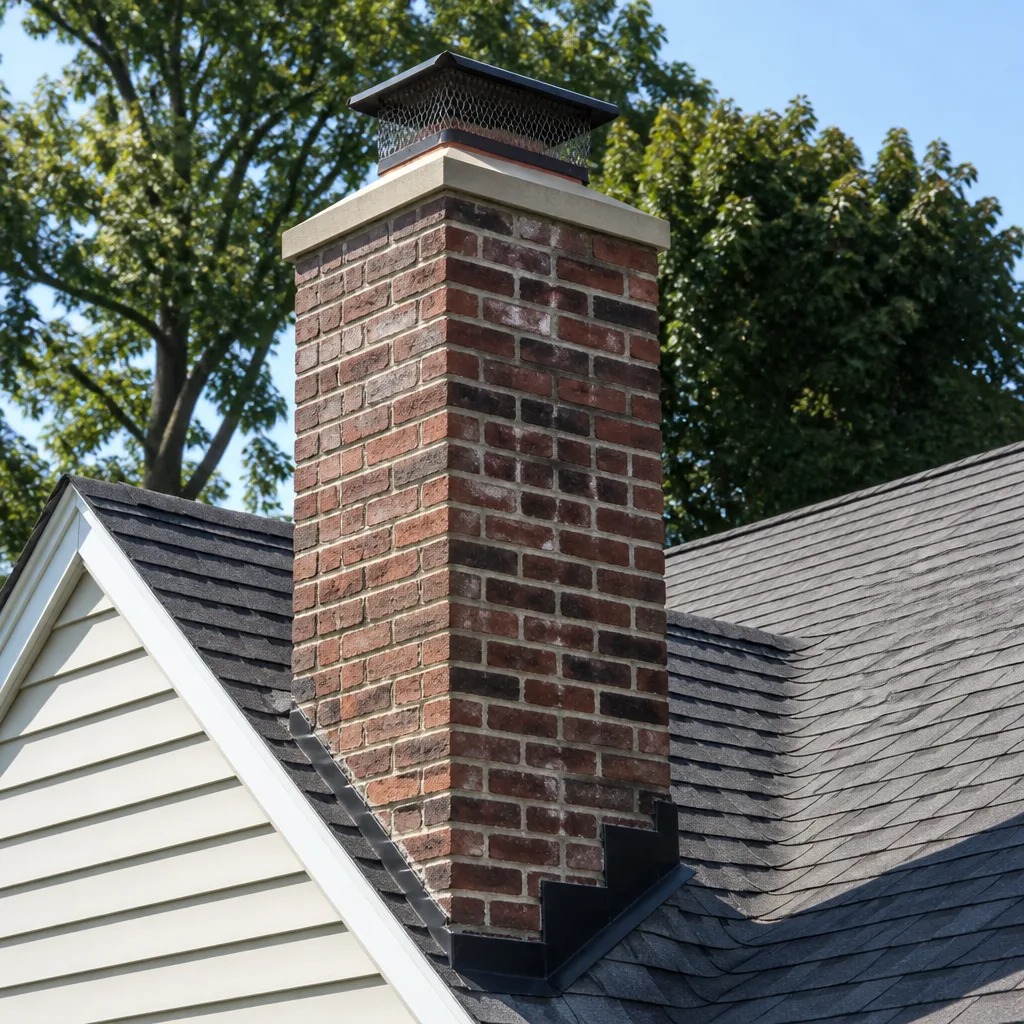 Masonry repair
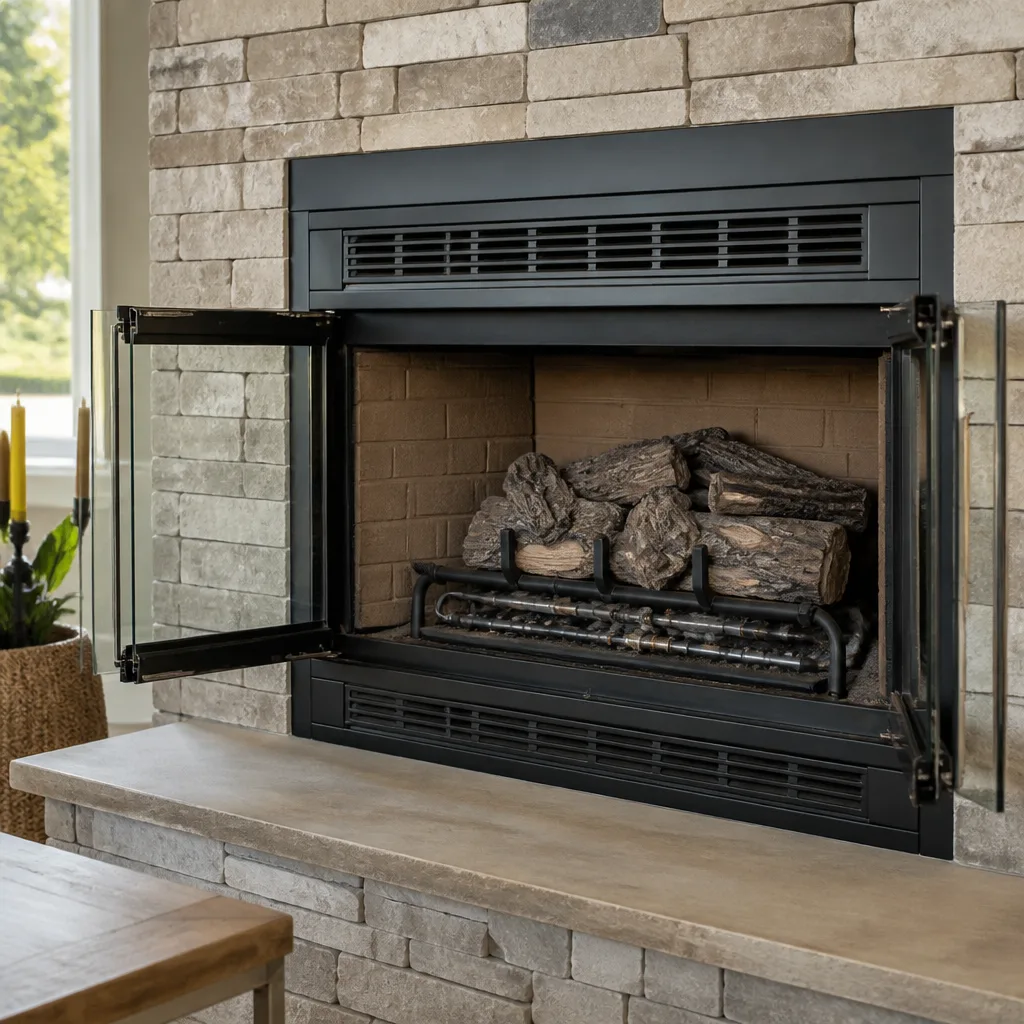 Gas fireplace service
Level 1 sweep and inspection to the NFPA 211 annual standard - flue, crown, cap, and flashing checked and photographed
Chimney sweep logs do not sweep chimneys. They loosen some creosote - which then falls where a brush and vacuum still have to collect it.
DuraFlex Flue Liner Replacement: The Houston Owner’s Guide
We stock and install DuraFlex-compatible flue liner replacement parts throughout Houston, with most full liner replacements running between $2,400 and $4,800 installed depending on length, diameter, and access. That includes the parts, labor, and a written guarantee on the whole job. Most Houston homeowners find out their DuraFlex liner needs attention during a routine sweep or inspection, though some catch it earlier when they notice flaky metal bits in the firebox or a faint acrid smell that wasn’t there before. The good news is that a failed DuraFlex liner is rarely a mystery. It’s a steel tube, and steel tubes fail in predictable ways, especially in Houston’s humidity cycle. We’ll walk you through exactly what you’re looking at, what it costs, and what’s worth doing now versus what can safely wait.
Which DuraFlex Models This Applies To
DuraFlex makes several liner product lines, but the ones we see most often in Houston homes are the DuraFlex 316Ti and DuraFlex AL (aluminum) series. The 316Ti is the stainless workhorse rated for wood, gas, and oil, while the AL is lighter and meant for gas-only appliances. If you’re replacing part of an existing DuraFlex system, you need to match both the diameter and the alloy. A 316Ti liner and an AL liner of the same size are not interchangeable, and mixing them in one run can create galvanic corrosion where the two metals meet. Houston’s humidity accelerates that problem faster than drier climates. Look for the etched marking on the liner body itself. DuraFlex stamps the alloy type and diameter at intervals along the length. If you can’t read it, measure the inside diameter across the widest point. Common residential sizes are 4″, 5″, 6″, and 8″. If your liner measures 5.5″, it’s a 6″ nominal with buildup, not a custom size.
On the OEM versus aftermarket question: DuraFlex parts are widely available, and we generally install genuine DuraFlex components when we’re working on an existing DuraFlex system. It’s not about brand loyalty. It’s about fitment. DuraFlex couplings, connectors, and top plates are machined to tolerances that generic aftermarket parts sometimes miss by a hair, and a hair is enough to let flue gas leak at a joint. We also stock HeatShield and Gelco products for different liner situations, but when the existing system is DuraFlex, we stay with DuraFlex for the replacement parts. It removes a variable rather than adding one.
One compatibility gotcha worth knowing before you order anything online: DuraFlex changed the profile of their lock-seam coupling around 2016. Pre-2016 liner sections and post-2016 components don’t always seat together cleanly. If your liner is older than that and you’re trying to patch a section rather than replace the full run, you may need an adapter or a full replacement anyway. We see this a couple times a year in Houston, usually in homes built in the early 2000s that are on their second round of liner problems.
Styles & brands we work with
Signs Your DuraFlex Flue Liner Replacement Is Failing
- Flakes or bits of metal in the firebox or at the base of the chimney. This is the most common first sign, and it almost always means the liner’s inner wall is scaling away. The flakes look like dark, brittle fingernail clippings. What you’re seeing is the liner corroding from the inside out, usually from condensation that never fully dried between burns.
- A sharp, metallic smell when the fireplace or furnace runs. That smell is heated metal off-gassing at a point where the protective oxide layer has been breached. In a wood-burning setup, creosote can also be embedded in those gaps, which is why the smell sometimes reads as “hot and chemical” rather than just metallic.
- Visible rust stains running down the exterior chimney chase or inside the firebox. This one is more common in Houston than in drier parts of Texas. Humid air gets pulled into the chimney chase during the long warm months, sits against the liner, and starts rusting it from the outside. By the time you see rust staining, the liner wall is usually compromised in at least one spot.
- Water in the firebox after a heavy rain. A failed liner joint or a rust-through point lets water in where the liner passes through the crown or flashing. It’s not always the liner; sometimes it’s the chase cover or crown. But if you have water inside and the liner is more than twelve years old, the liner is the first place we look.
- Your carbon monoxide detector picks up low-level readings near the fireplace or utility room. We’re not going to dress this one up: this is the reason liner replacement exists as a category. A breached liner lets combustion gas into spaces it was never supposed to reach. If you get a reading, shut the appliance down and call us. This is not a “wait until fall” situation.
See the difference
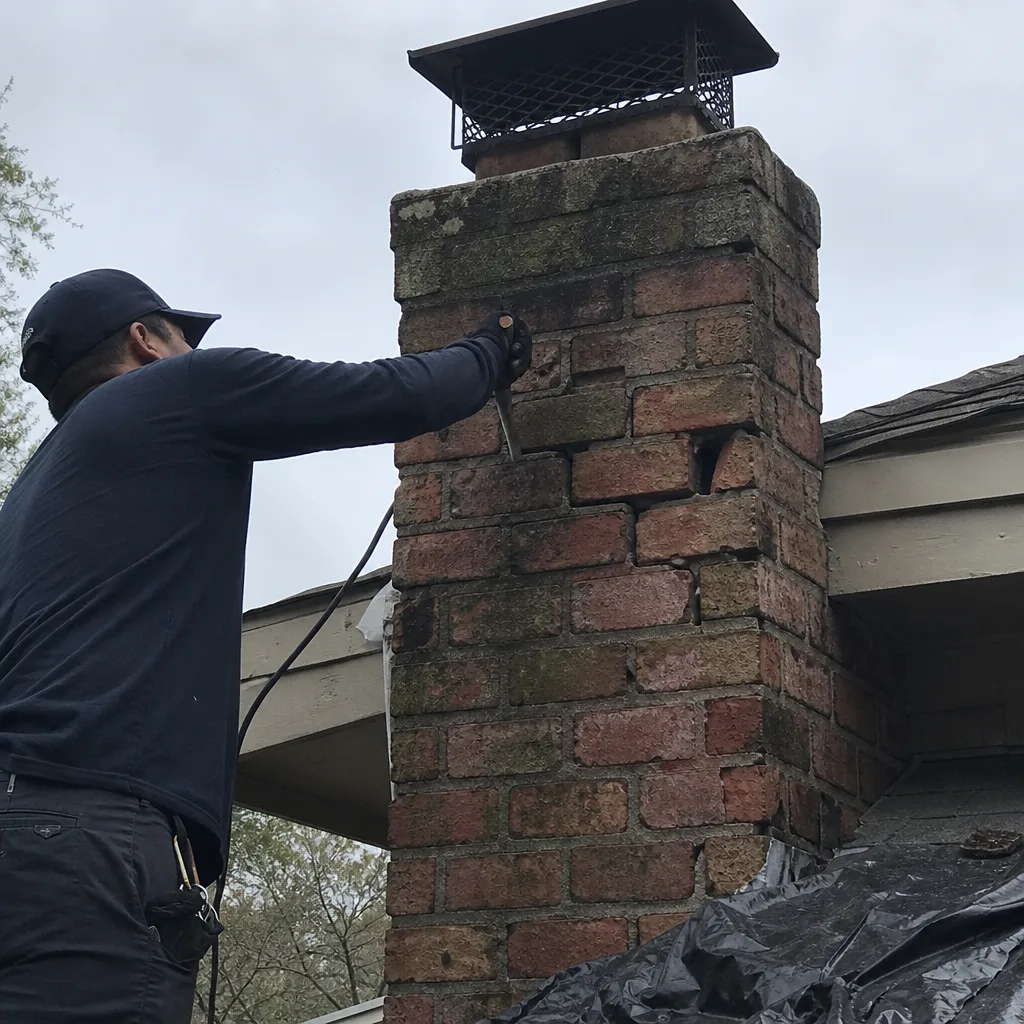 Before
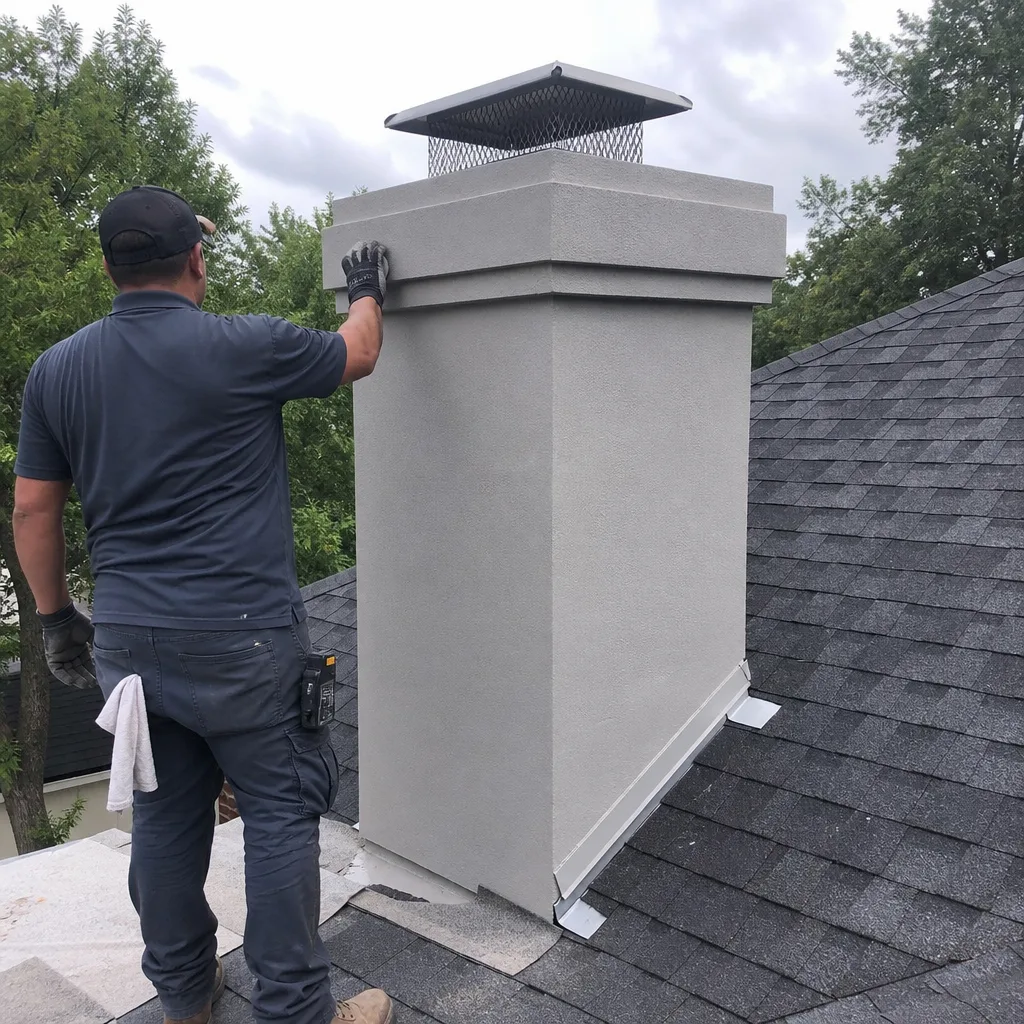 After
After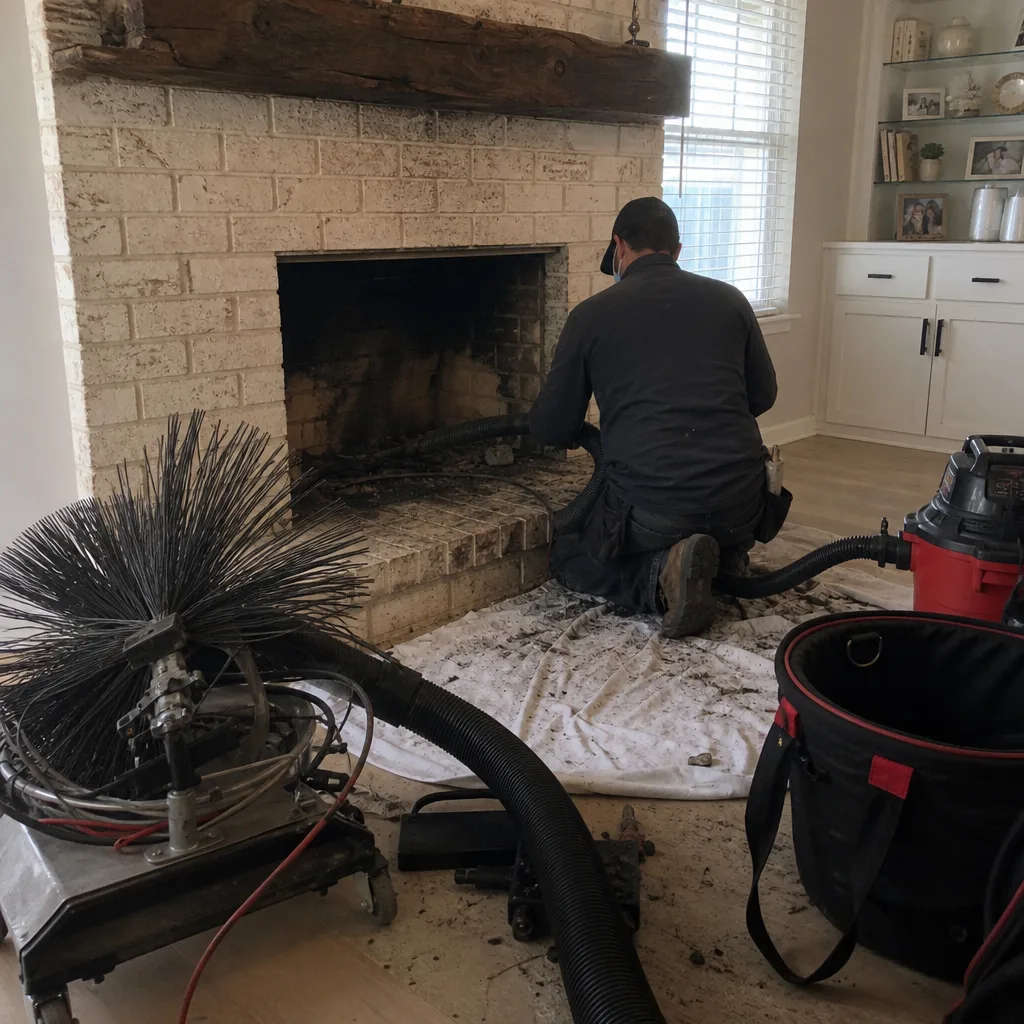 Before
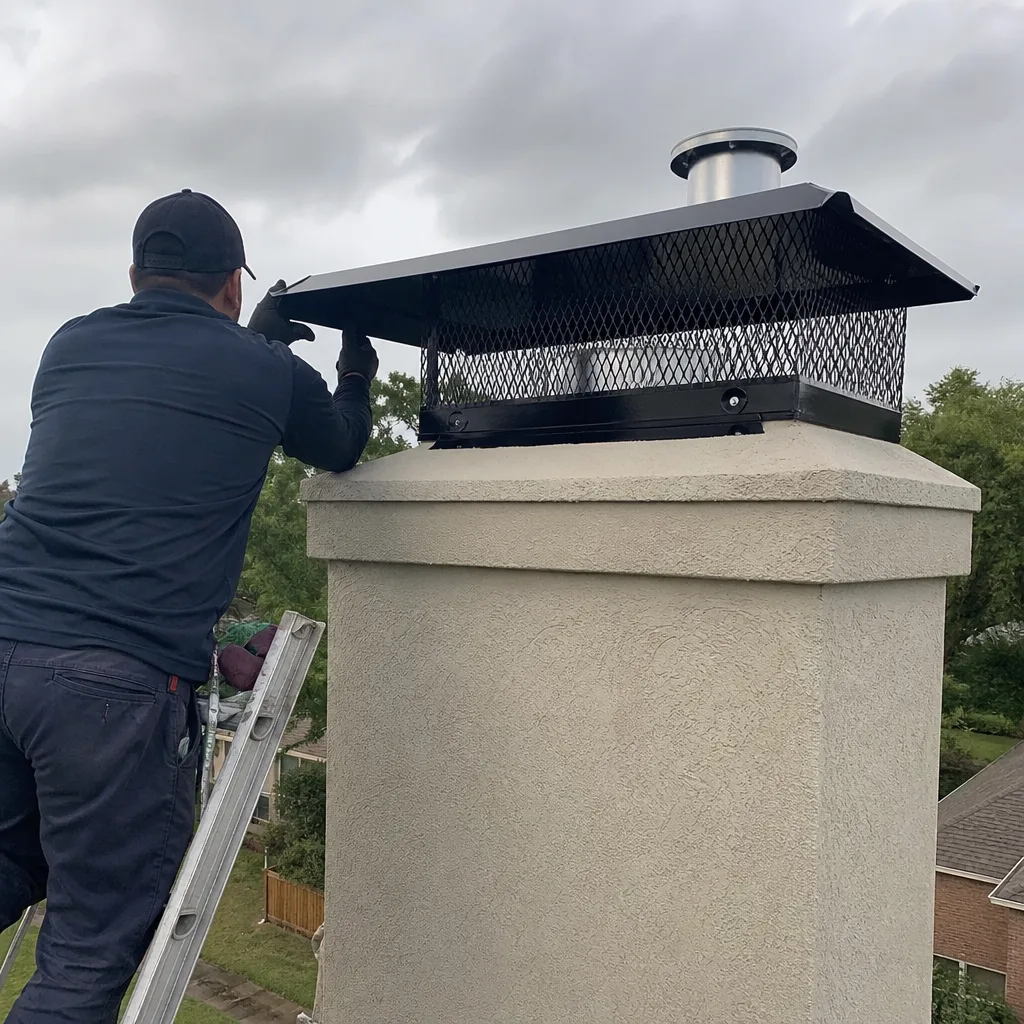 After
After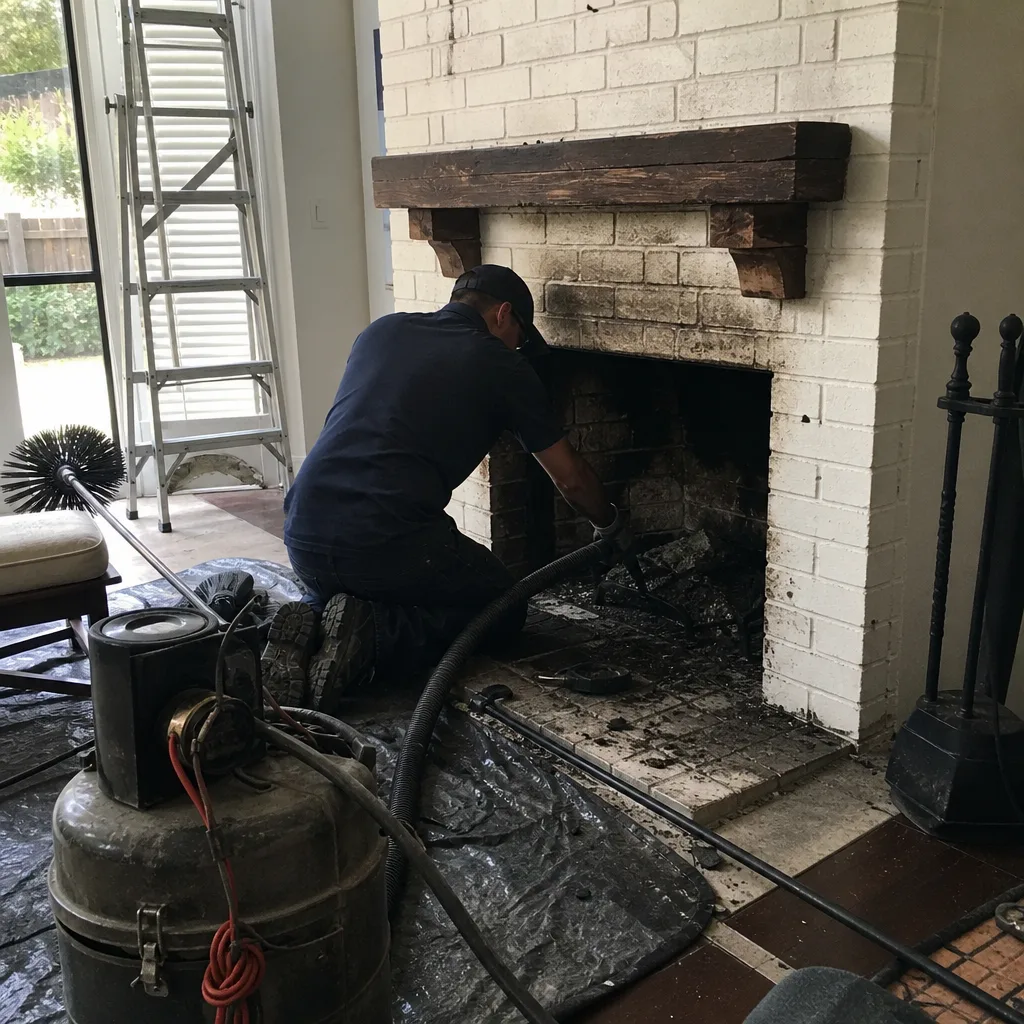 Before
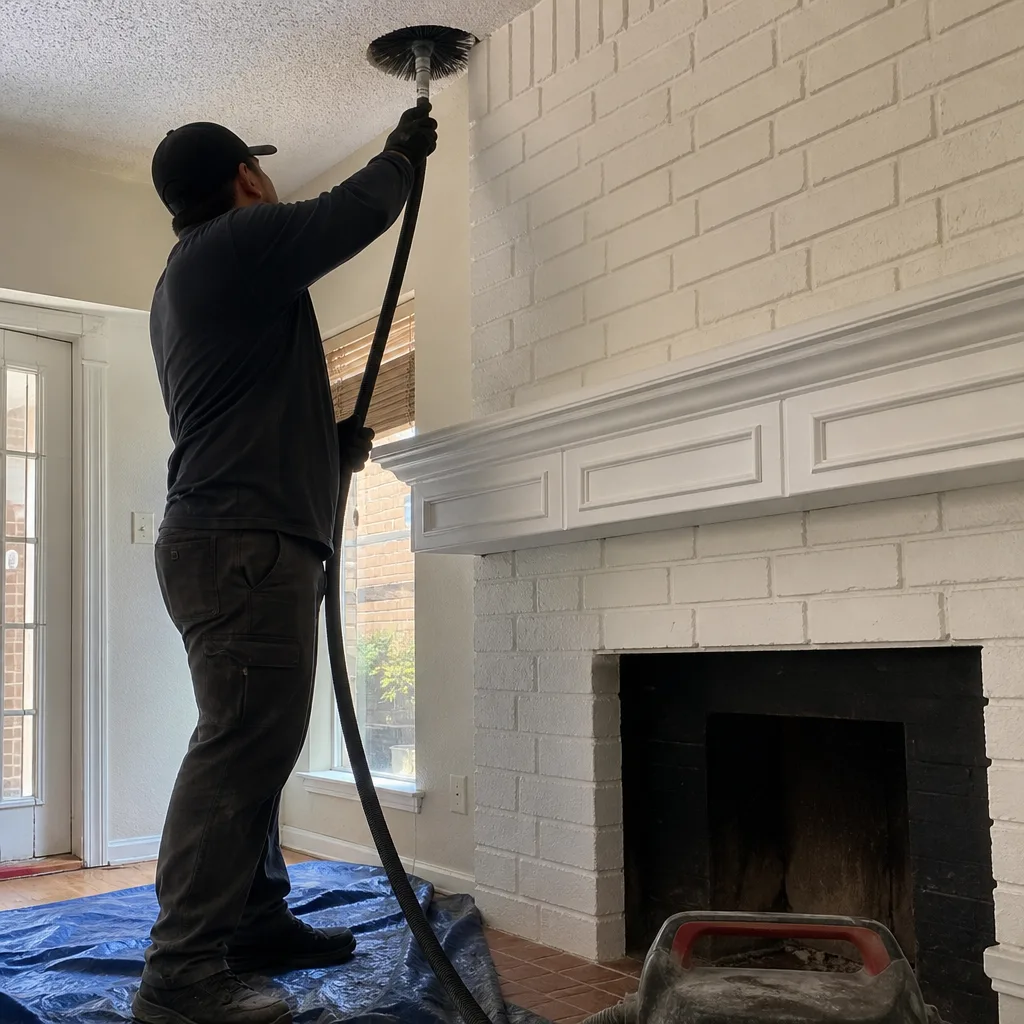 After
AfterReplacement Cost & What’s Included
In Houston, a full DuraFlex flue liner replacement currently runs between $2,400 and $4,800 installed for a typical single-story residential chimney. Partial liners, shorter runs, and gas-only setups land on the lower end. A 35-foot run on a two-story house with tricky roof access and a masonry repair needed at the crown will push toward the top. The price we quote at the door is the price on the invoice. That’s not a sales line; it’s the Kingswell Guarantee in writing before any work starts.
Here’s how a typical Houston liner replacement breaks down:
- DuraFlex liner and components: $900 – $1,900 depending on diameter, length, and whether you need a new top plate, cap, and connector.
- Labor and installation: $900 – $1,600. This includes removal of the old liner, drop-in of the new one, insulation where required, and sealing at the top and bottom.
- Inspection after install: $150 – $300. We camera the new liner before we call the job done and send you photos.
- Masonry or crown repairs needed to support the liner: $0 – $1,000. We only recommend this if the crown or chase is letting water through, and we’ll show you photos of the problem before adding a dollar to the quote.
Every liner replacement we do in Houston carries our 365-Day Done Right Promise. If the repair fails within the guarantee period, we return and correct it at no charge. That’s the whole point of the Kingswell Way: say the price, show up in the window, leave it cleaner, put the guarantee in writing, come back if it fails.
DIY or Call Us?
We’re not going to tell you a flue liner is a no-touch part, because there are honest things a homeowner can check. You can look for metal flakes in the firebox. You can run your hand along the visible portion of the liner, if it’s accessible, and feel for soft spots or buckling. You can check for rust staining after rain. Those are all reasonable diagnostic steps.
What we will say plainly is this: installing or replacing a flue liner is not a weekend project, and it’s not a ladder-and-flashlight job. You’re working inside a flue, often from the roof, with a steel tube that has to seal correctly at every joint or combustion gas leaks into places you can’t see. A liner that’s cut too short, coupled wrong, or dropped into a flue with a hidden offset can fail silently until the day it doesn’t fail silently. The safety hazard here is carbon monoxide and fire. If you’re set on doing the work yourself, at minimum have a professional camera the liner after install to confirm it’s seated and sealed. Or call us at (903) 961-6496, tell us what you’re seeing, and we’ll give you a straight price on the full job.
FAQs
A 316Ti DuraFlex liner in Houston typically lasts 15 to 20 years with regular use and annual inspections. Aluminum liners on gas appliances usually last 10 to 15 years. Houston’s high humidity shortens liner life compared to dryer parts of Texas, especially if the chimney isn’t ventilated properly during the summer months. We see liners from 2003 to 2008 failing now, which puts the life span right in that range.
Sometimes, but less often than people hope. Small pinholes in a straight section can occasionally be patched, but the joint corrosion and rust-through we see in Houston usually means the liner’s structural integrity is gone. A patched liner is a liner with a clock on it. If the liner is stainless 316Ti, more than 12 years old, and rusting in more than one spot, we recommend a full replacement rather than chasing patches. We’ll show you the camera evidence either way before you spend a dollar.
Most full DuraFlex liner replacements in Houston are completed in one day, roughly 4 to 6 hours from setup to cleanup. Jobs that require crown repair or masonry work add a second visit after the mortar cures. We tell you the timeline at the quote, not after you’ve already booked.
We stock common DuraFlex liner sizes and components, including 316Ti and AL in 4″, 5″, 6″, and 8″ diameters, along with couplings, top plates, and caps. We also stock HeatShield and Gelco products for situations where a different liner system makes more sense. You don’t need to order anything ahead of time. If your specific part isn’t on the truck, we’ll tell you the lead time before you commit to anything.
Tell you the price first, explain the work second, put it in writing third. That’s the whole system. If your DuraFlex liner is showing signs of age, call us at (903) 961-6496. Nathan Corliss and the team at Ashby Chimney Houston answer the phone like actual humans, and we’ll give you a straight answer on what you’re dealing with, even if the answer is that you can wait a season.
Written by Nathan Corliss, Owner, Ashby Chimney Houston at Ashby Chimney Houston, serving Houston and nearby areas.