
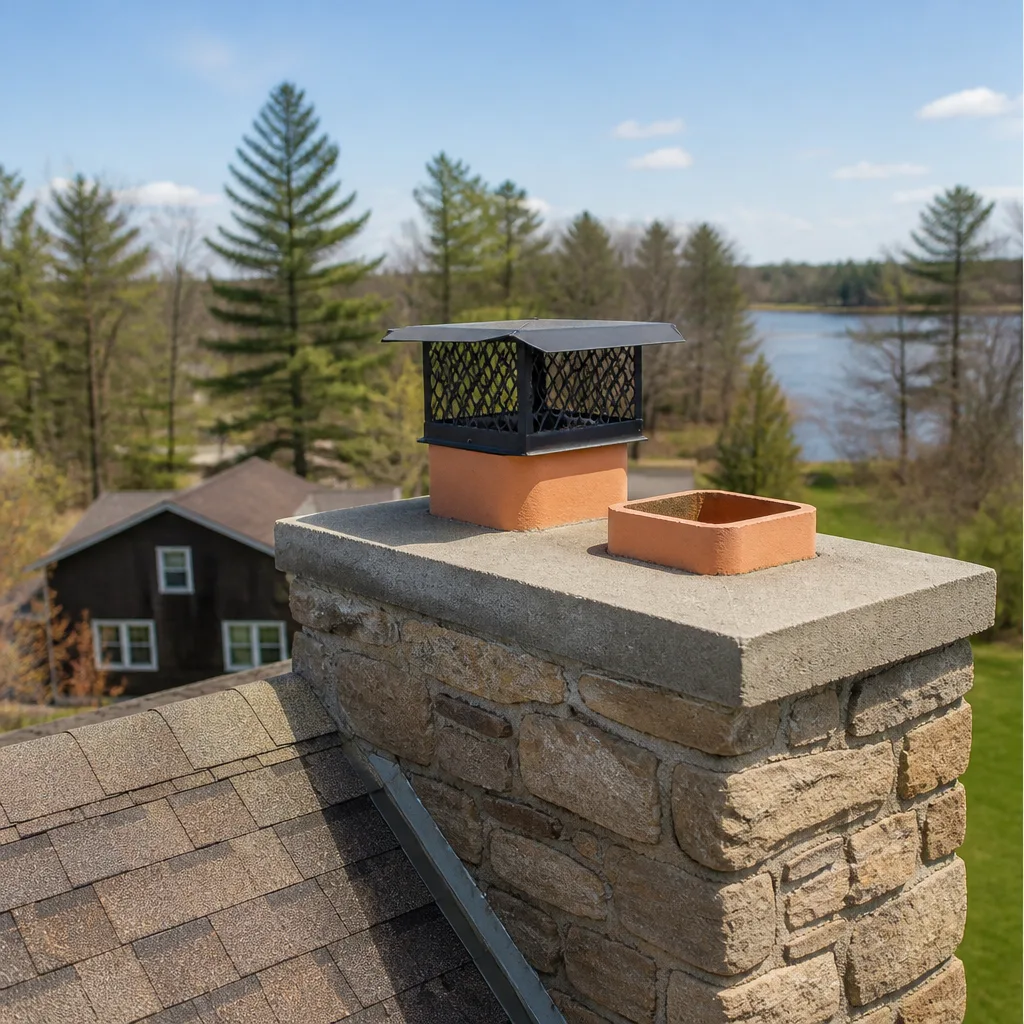
 Sweep & inspection
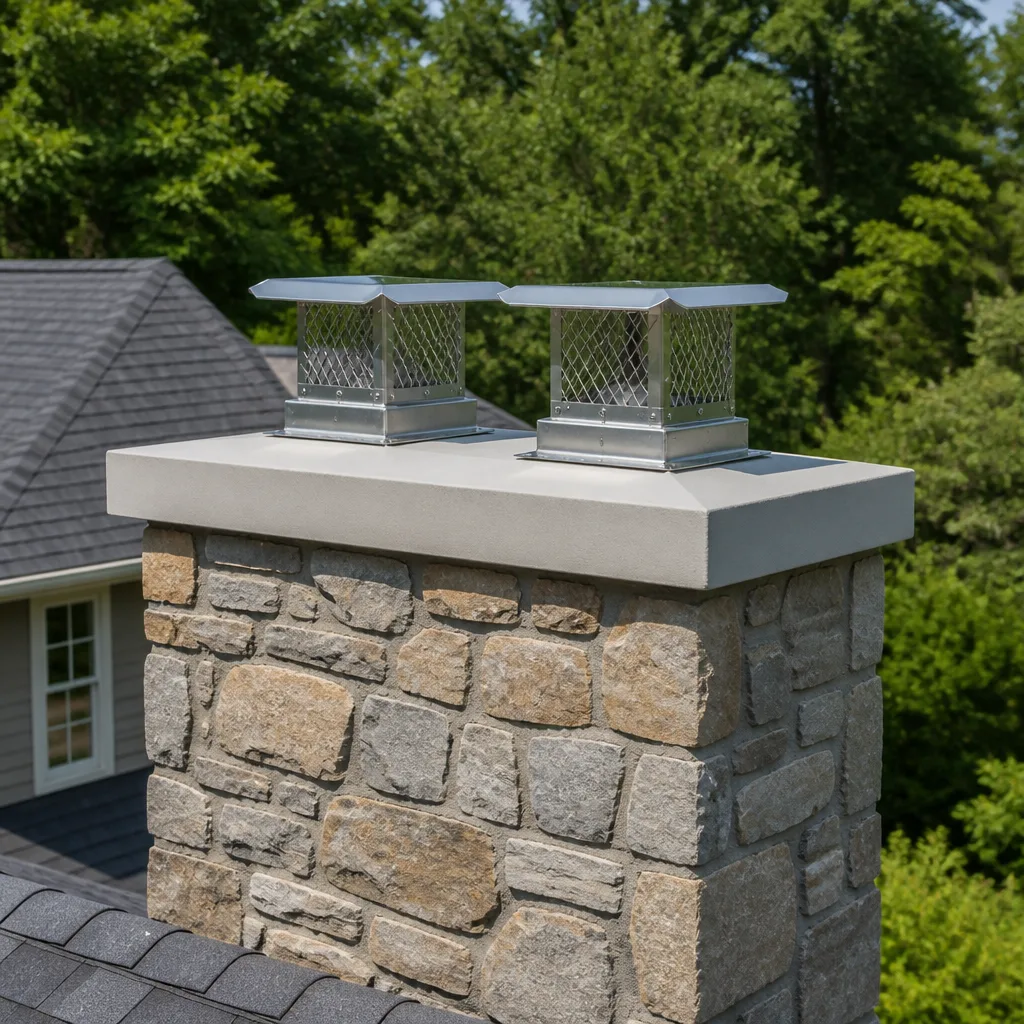 Caps & crowns
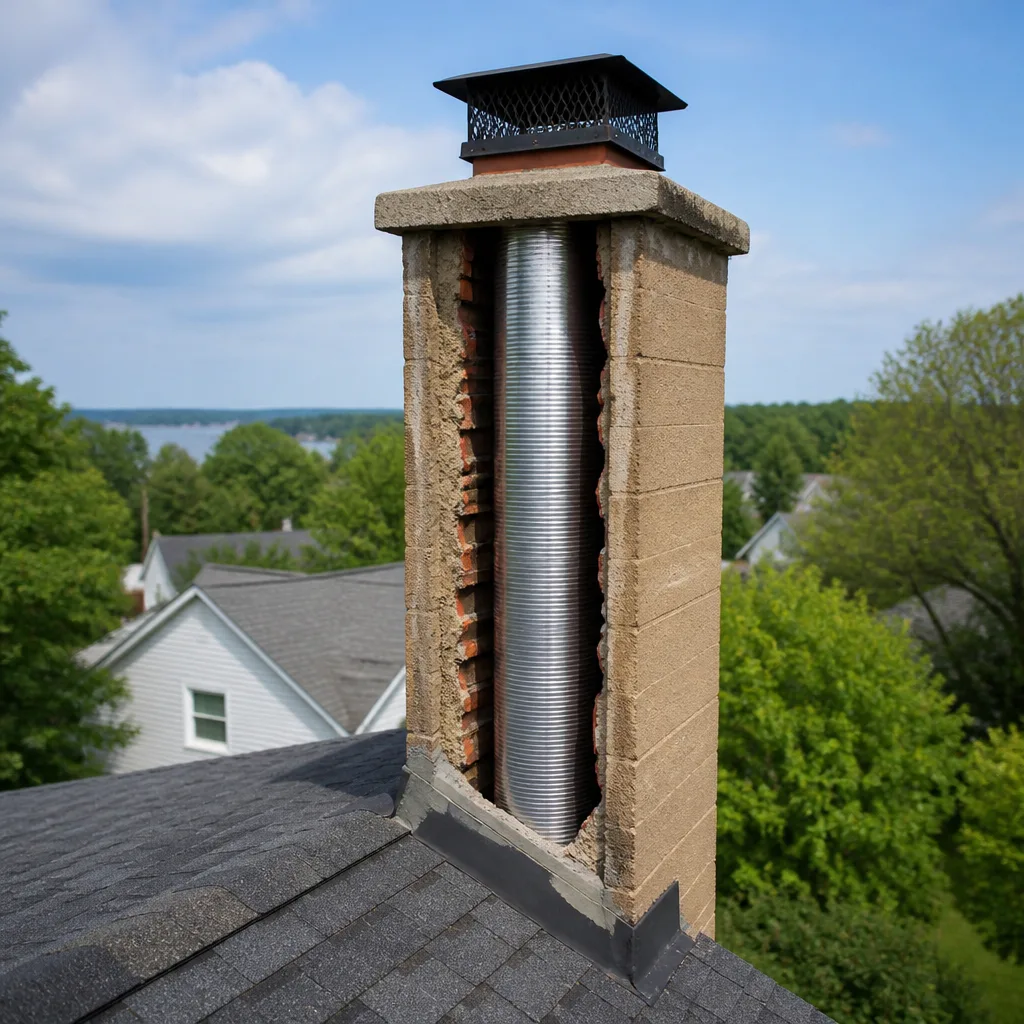 Flue relining
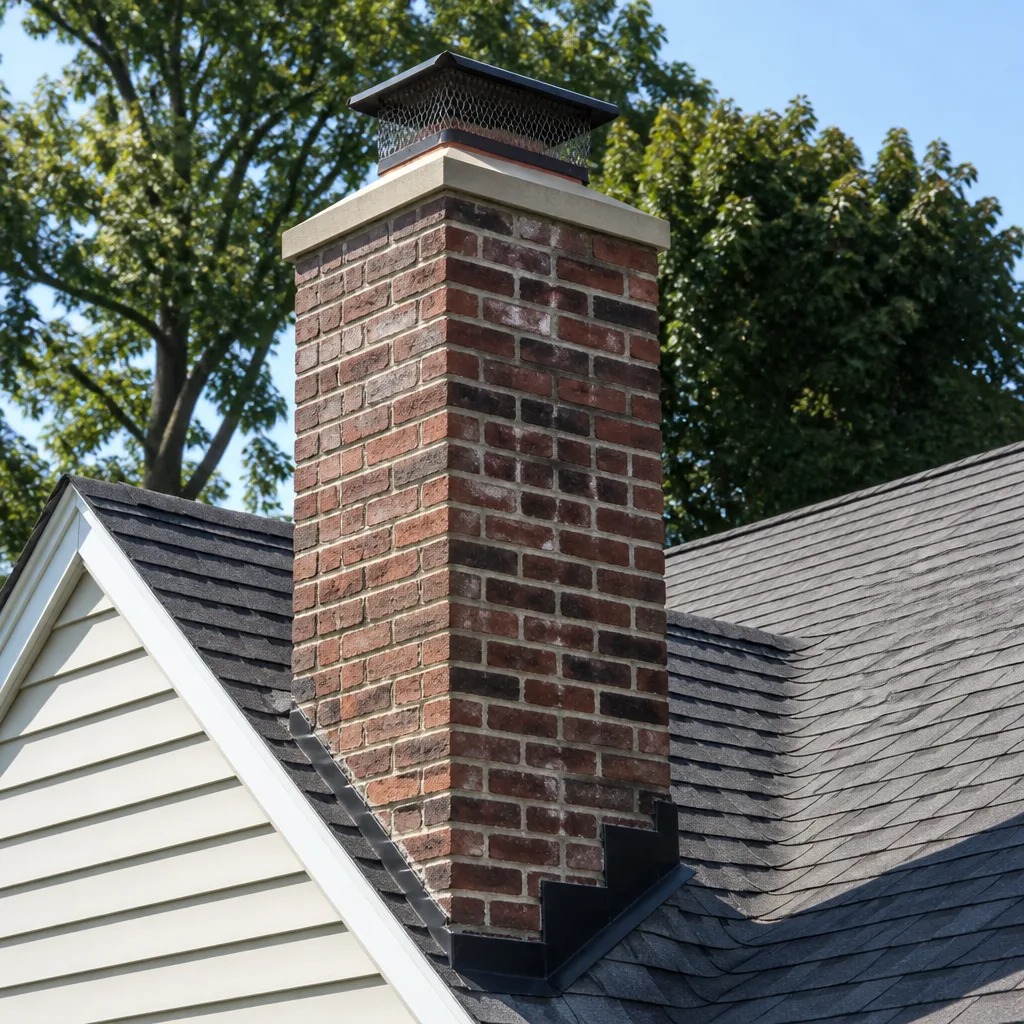 Masonry repair
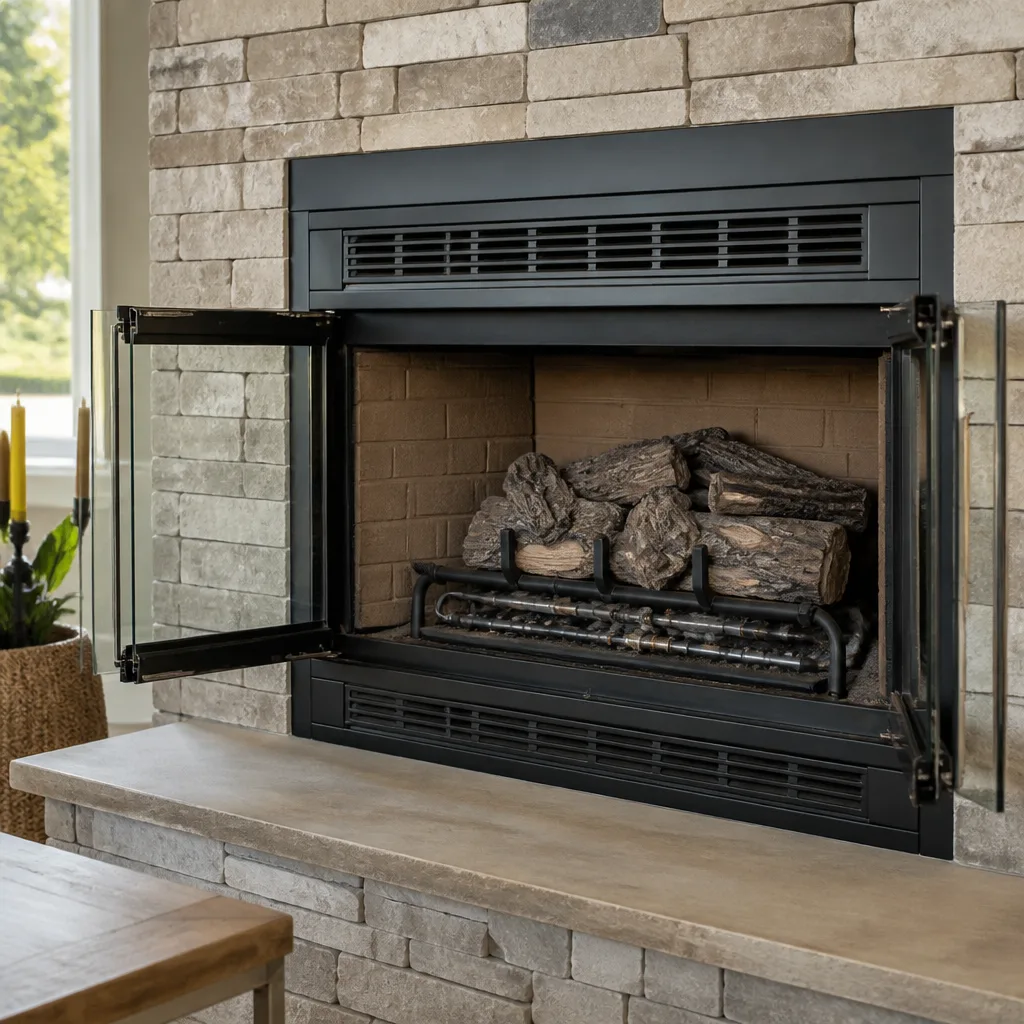 Gas fireplace service
Level 1 sweep and inspection to the NFPA 211 annual standard - flue, crown, cap, and flashing checked and photographed
Chimney sweep logs do not sweep chimneys. They loosen some creosote - which then falls where a brush and vacuum still have to collect it.
Styles & brands we work with
See the difference
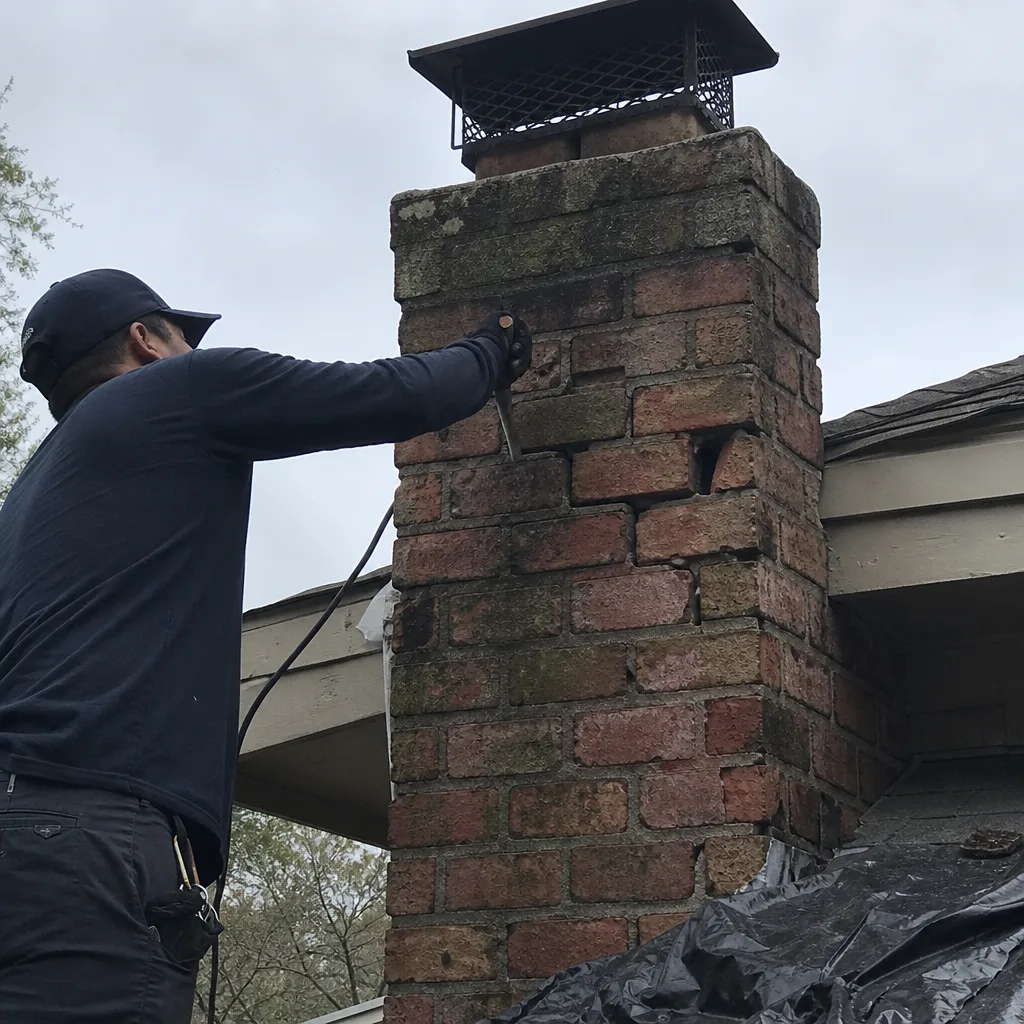 Before
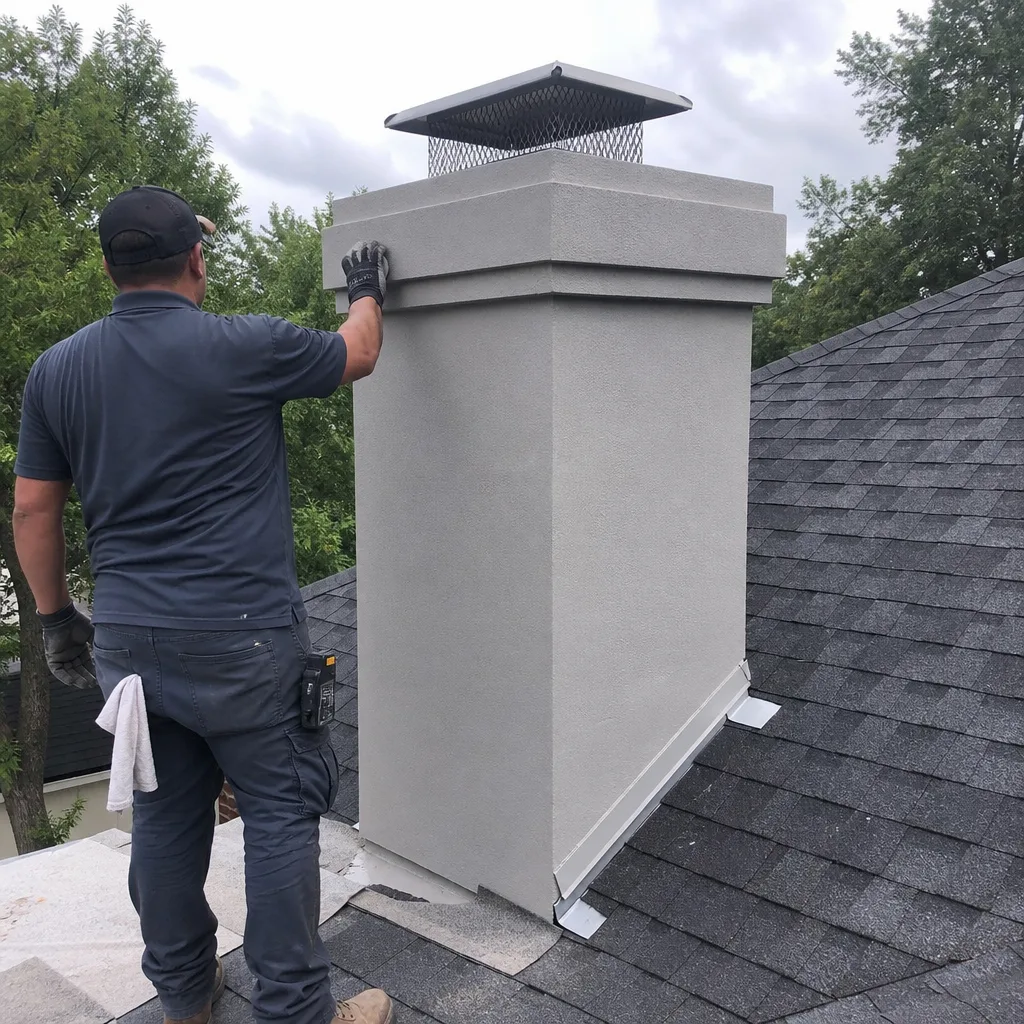 After
After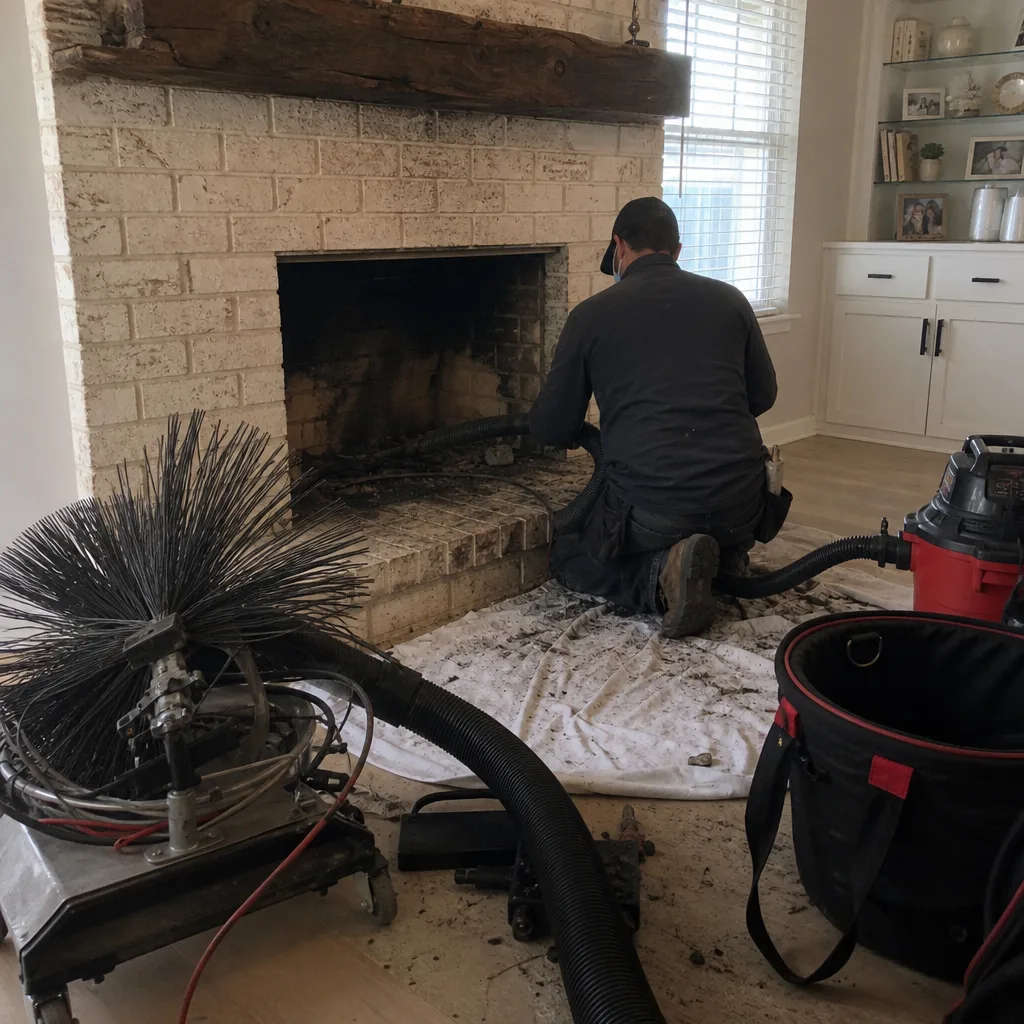 Before
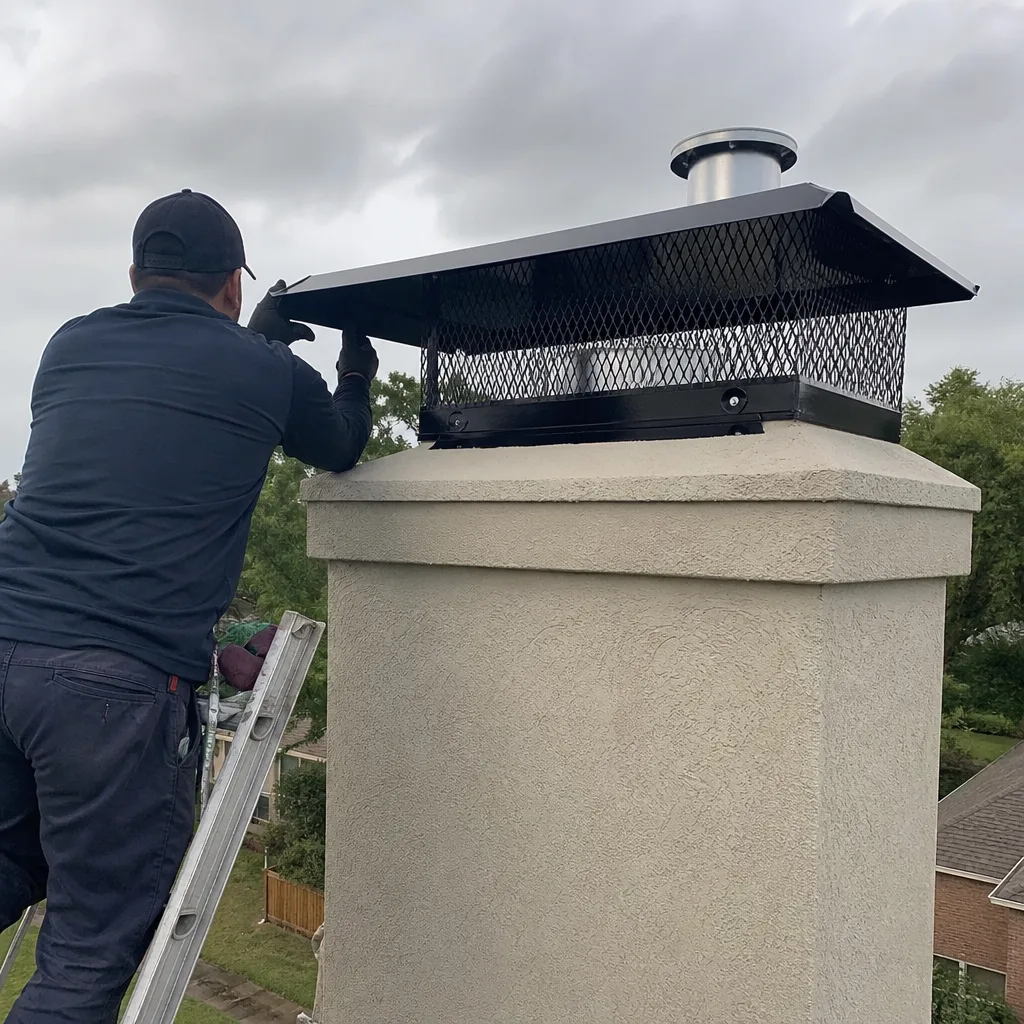 After
After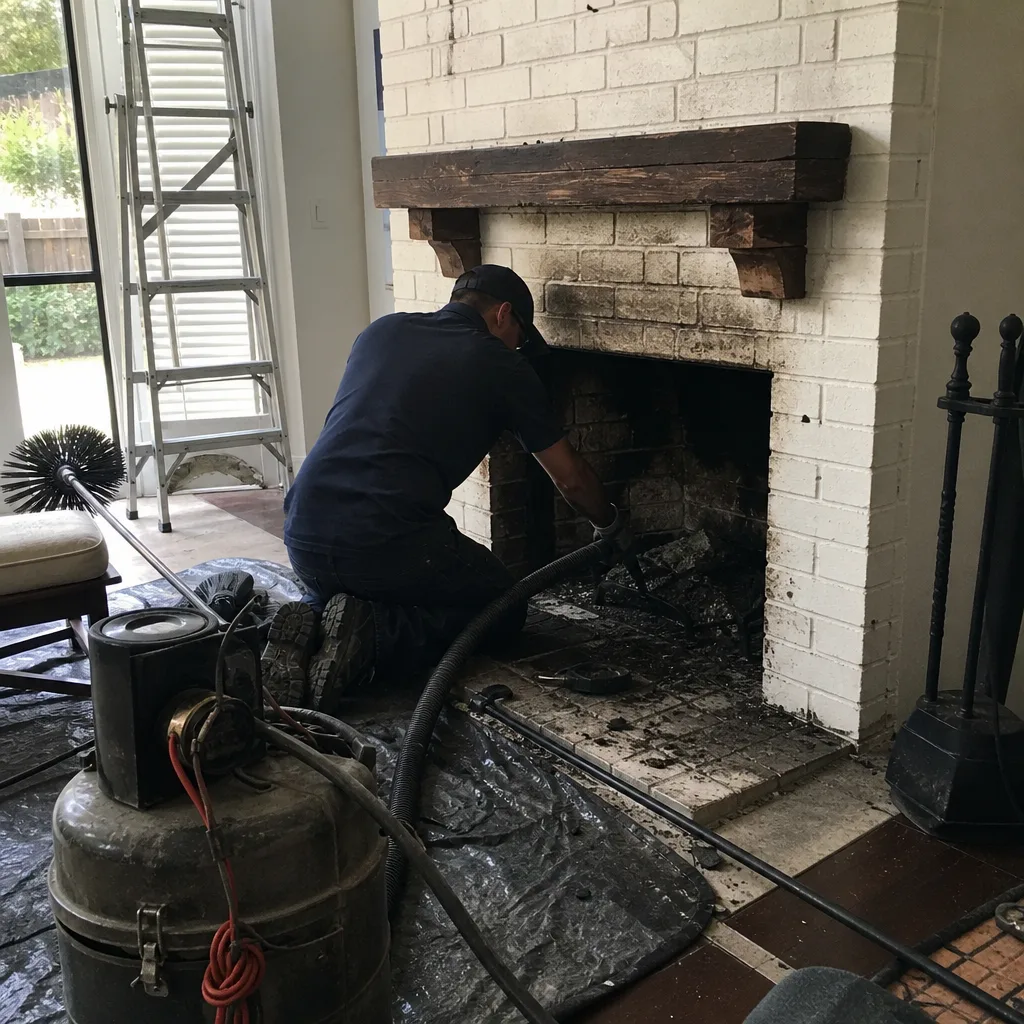 Before
 After
AfterSoot Removal in Houston, TX
Soot removal in Houston typically costs between $150 and $350 when done as part of a standard chimney sweep, and more if the creosote and soot buildup is heavy or has hardened into glaze. It’s the process of removing the black, oily, or flaky residue that accumulates inside your chimney every time you burn wood. At Ashby Chimney Houston, we’ve been cleaning soot out of Houston flues since 2002, and every job comes with a written price before we start and a written guarantee when we finish.
Soot is what’s left behind after combustion: fine carbon particles mixed with tar, creosote, and whatever else your fire didn’t burn completely. Left alone, it builds up on flue walls, narrows the passage that vents smoke, and can become a fire hazard. If you use your fireplace regularly in Houston, where humidity and our mild winters mean fires burn cooler and less efficiently than in colder climates, soot tends to accumulate faster than most people expect. This page is part of our broader Chimney Cleaning & Sweep in Houston service, and we recommend reading that page if you want the full picture of how we maintain a chimney from top to bottom.
You can reach us at (903) 961-6496 any time. A live person answers, day or night.
When You Need Soot Removal
Most Houston homeowners don’t think about what’s inside their chimney until something feels off. Here are the signs we see most often in the neighborhoods we serve, from The Heights to Sugar Land:
- You smell smoke when the fireplace isn’t in use. That campfire smell drifting into your living room on a humid Houston afternoon is usually soot residue breaking down in the flue. It gets worse on damp days, and it means the chimney needs a cleaning.
- Black dust settles on furniture near the fireplace. Soot particles are fine and airborne; they drift into the room when the chimney isn’t drafting properly. If you’re wiping black smudges off your mantle every few weeks, soot removal is overdue.
- The damper sticks or is coated with black residue. Open the damper and run a finger across it. If it comes away slick and black, there’s a layer of soot that’s already thick enough to affect draft.
- Fires burn poorly or smoke backs up into the room. A restricted flue forces smoke to find another way out, and in low-slung Houston ranch homes with shorter chimneys than you’d find in a two-story colonial, even half an inch of soot buildup can break the draft.
- You just moved in and don’t know the chimney’s history. Houston has thousands of older brick homes built in the 1960s and 1970s with masonry chimneys that may not have been cleaned in years. If you can’t verify the last sweep, assume soot and creosote are present.
- It’s been more than a year since the last cleaning. The National Fire Protection Association recommends an annual inspection and cleaning when needed. In Houston’s humidity, where soot absorbs moisture and becomes stickier, that annual rhythm matters more than in dry climates.
Our Soot Removal Process
We start every job the same way: we tell you what we’re going to do, what it costs, and how long it’ll take. Here’s the process we follow on a standard soot removal and chimney cleaning call in Houston.
- We protect the area first. Drop cloths go down around the fireplace, tarps cover nearby furniture, and the firebox gets sealed with a heavy-duty barrier. Soot is fine enough to travel through a house on the air current from an AC system, so we contain it at the source.
- We inspect the flue and firebox. Before we run a brush, we look at the condition of the flue liner, the smoke shelf, and the damper. This tells us how much soot and creosote we’re dealing with and whether there’s any damage hiding underneath. In Houston, we regularly see rusted dampers from Gulf humidity and cracked clay tile liners in older homes.
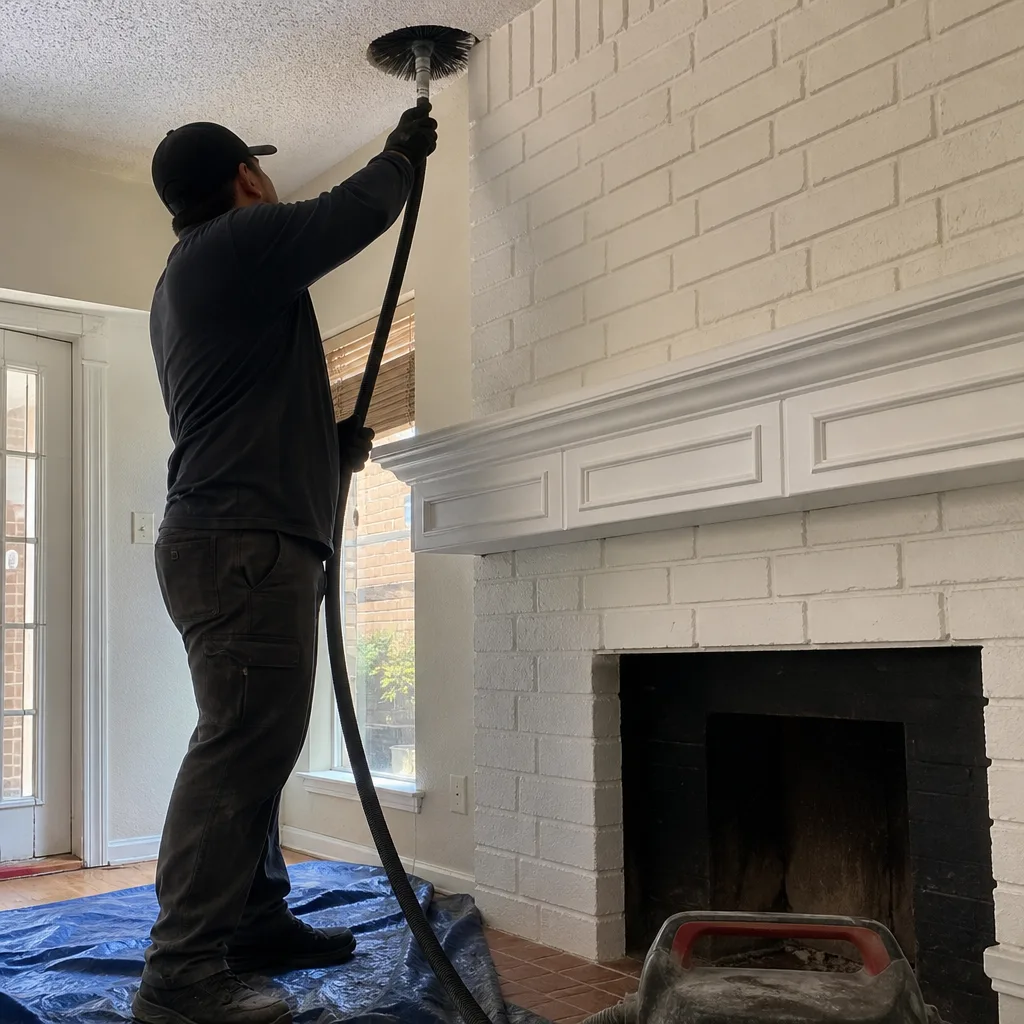
- We run the brush system matched to your flue size. The brushes we use are sized to the flue liner, not a one-size-fits-all tool. This matters because a brush that’s too small will leave soot behind, and one that’s too large can damage clay liner. We run it the full length of the flue, from firebox to chimney cap.
- We clean the smoke shelf and damper assembly. This is where soot and creosote collect most heavily in Houston chimneys. The smoke shelf is a ledge designed to catch falling debris, which also makes it a catch point for soot. We clean it by hand, not just with the brush.
- We vacuum everything out with a HEPA-filtered system. A standard shop vacuum will blow fine soot particles straight back into your living room. We use high-powered, HEPA-filtered chimney vacuums that capture particulate, so the air in your home stays clean while we work.
- We do a final visual check and leave you a written report. You’ll see the before-and-after condition, any issues we found, and a note on when we recommend the next cleaning. The price we quoted at the door is the price on the invoice. No surprises.
Soot Removal Pricing in Houston
Plain numbers, because you should know what this costs before you pick up the phone.
| Service | Typical Houston Price Range | What’s Included |
|---|---|---|
| Standard chimney sweep with soot removal | $150 – $250 | Full flue brushing, smoke shelf cleaning, damper cleaning, HEPA vacuuming, protective setup |
| Heavy soot and creosote buildup (Stage 2) | $250 – $400 | Extended brushing, multiple passes, additional labor, possible creosote treatment |
| Glazed creosote removal (Stage 3) | $500 – $1,200+ | Chemical treatment with a product like Gelco or a rotary whip system, multiple visits sometimes required |
| Soot removal as an add-on to a chimney inspection | $100 – $180 | Light brushing and vacuuming when inspection reveals only minor buildup |
What changes the price is how much soot and creosote is actually in the flue, how long it’s been there, and whether it’s hardened. Soot from a single winter of weekend fires brushes out fast. Soot from a decade of neglect mixed with Houston humidity has the consistency of tar and takes real labor to remove. If the buildup has glazed into creosote, a brush alone won’t remove it; we use chemical treatments from brands like Gelco or specialized rotary tools to break it down first.
You’ll get the exact price in writing before we start. Always. That’s the Kingswell Way: say the price, show up in the window, leave it cleaner, put the guarantee in writing, come back if it fails. If you want a free estimate, call us at (903) 961-6496. We’ll give you a straight range over the phone after we ask you about your fireplace and when it was last cleaned.
Why Soot Removal Matters More in Houston Than You’d Think
Houston’s climate does something specific to chimneys, and most homeowners never hear about it until there’s a problem. Our humidity sticks to flue walls, and when it mixes with soot, that mixture becomes acidic. That acid eats at mortar joints and clay tile liners. Add in the freeze-thaw cycles we get in January and February along the I-10 corridor, and a chimney that’s full of soot is a chimney that’s degrading faster than it should.
It’s not just about the fire hazard, though that’s real. Soot that absorbs moisture expands and presses against the flue liner. Over time, this contributes to the cracked liners and crumbling mortar we see in older homes across Spring Branch, Garden Oaks, and Bellaire. Removing soot regularly isn’t just maintenance; it’s the cheapest way to extend the life of a masonry chimney in southeast Texas.
We also see the Houston-specific issue of infrequent use causing problems. When a fireplace sits unused from March through November, whatever soot is in the flue has nine months to bake in the heat and absorb Gulf humidity. Then, on the first cold snap in December, the fire gets lit and that hardened soot expands. That’s when you get the call you wish you’d made in October.
What Soot Removal Does and Does Not Do
Soot removal clears the flue and restores proper draft. It reduces fire risk. It eliminates chimney odors. What it does not do is repair damage. If we find cracked flue tiles, a deteriorated mortar crown, or a rusted-out damper, those are separate repairs. We’ll show you what we found, explain what it means, and give you a written quote for the repair if you want it. There’s no pressure. Our job is to tell you what’s going on inside that chimney and let you decide.
Nathan Corliss, who owns and operates Ashby Chimney Houston, has been cleaning and repairing Houston chimneys for more than two decades. He’s seen every type of soot problem this city can produce, from glazed creosote in a 1970s Sharpstown fireplace to light powdery soot in a two-year-old gas log conversion in Katy. That experience is what lets us give you an accurate price before we start, not after we’ve “discovered” more work.
FAQs – Soot Removal
How much does soot removal cost in Houston?
Soot removal in Houston typically costs between $150 and $350 when performed as part of a standard chimney sweep; heavy glazed creosote can push the price to $500 or more because it requires chemical treatment or rotary tools. The exact price depends on how much buildup is present and how long it has been hardening in the flue. Call (903) 961-6496 for a free estimate over the phone, and we’ll give you a straight range before we ever set foot in your home.
How often should I have soot removed from my chimney in Houston?
Once a year is the right rhythm for most Houston homeowners who burn wood regularly, and the National Fire Protection Association recommends at least an annual inspection regardless of how often you use the fireplace. If you only burn occasionally, you can usually go two years between cleanings, but an annual inspection will tell you for sure. Houston’s humidity makes soot stickier and more corrosive than in drier climates, so skipping years here costs more in the long run.
Can you remove soot from a gas fireplace chimney?
Yes, though gas fireplaces produce a different kind of residue than wood fires, and it usually builds up more slowly. Even natural gas produces a light soot film over time, especially if the logs are vented. We clean gas fireplace chimneys with the same equipment but often with a gentler brush, and we inspect the gas line connections and log set while we’re there.
Is soot removal the same thing as creosote removal?
Soot and creosote are both byproducts of wood combustion, but they’re not the same thing. Soot is the soft, black, carbon-heavy powder that brushes away easily. Creosote is the tar-like or glazed substance that forms when soot condenses with moisture and unburned wood gases; it’s harder to remove and more flammable. A standard soot removal will get the soft buildup; glazed creosote requires specialized treatment.
Will soot removal damage my chimney or make a mess in my house?
No, and no. We seal the firebox opening, lay drop cloths, and run a HEPA-filtered vacuum system that keeps soot particles out of your living space. The brushes we use are matched to your flue size so they remove soot without scoring the liner. When we leave, your fireplace area will be cleaner than when we arrived. That’s part of the Kingswell Way: leave it cleaner.
Are you available for same-day or emergency soot removal in Houston?
We keep our schedule open for same-day calls whenever possible, and our phones are answered 24/7 by a live person, not a voicemail tree. If you’ve got a chimney problem that can’t wait, call (903) 961-6496 and we’ll tell you straight whether we can get there today.
Contact Ashby Chimney Houston for Soot Removal
If your chimney smells, your damper is coated in black residue, or you can’t remember the last time the flue was cleaned, it’s time. Call us at (903) 961-6496 and you’ll get a live person, a straight answer, and a free estimate with no obligation. Every job gets a written price before work begins and a written guarantee when it’s done. If a repair we make fails within the guarantee period, we come back and fix it at no charge. That’s the 365-Day Done Right Promise, and it’s been the standard at Ashby Chimney Houston since 2002.
We serve Houston and the surrounding area, including The Heights, Spring Branch, Katy, Sugar Land, Pearland, Bellaire, and Galveston. If you’re on our home page, you’ll find more information about our full range of chimney services, from inspections to full fireplace repair.
Written by Nathan Corliss, Owner at Ashby Chimney Houston, serving Houston.