
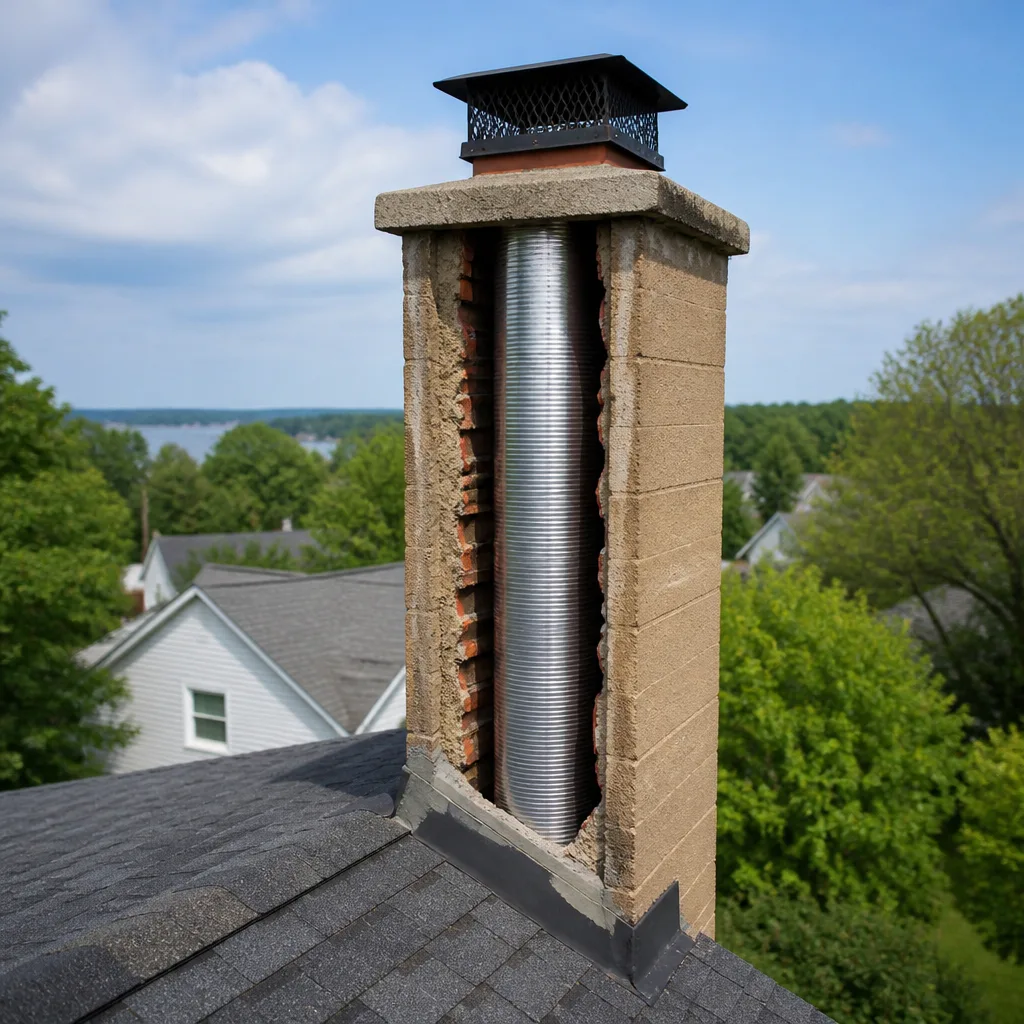
 Flue relining
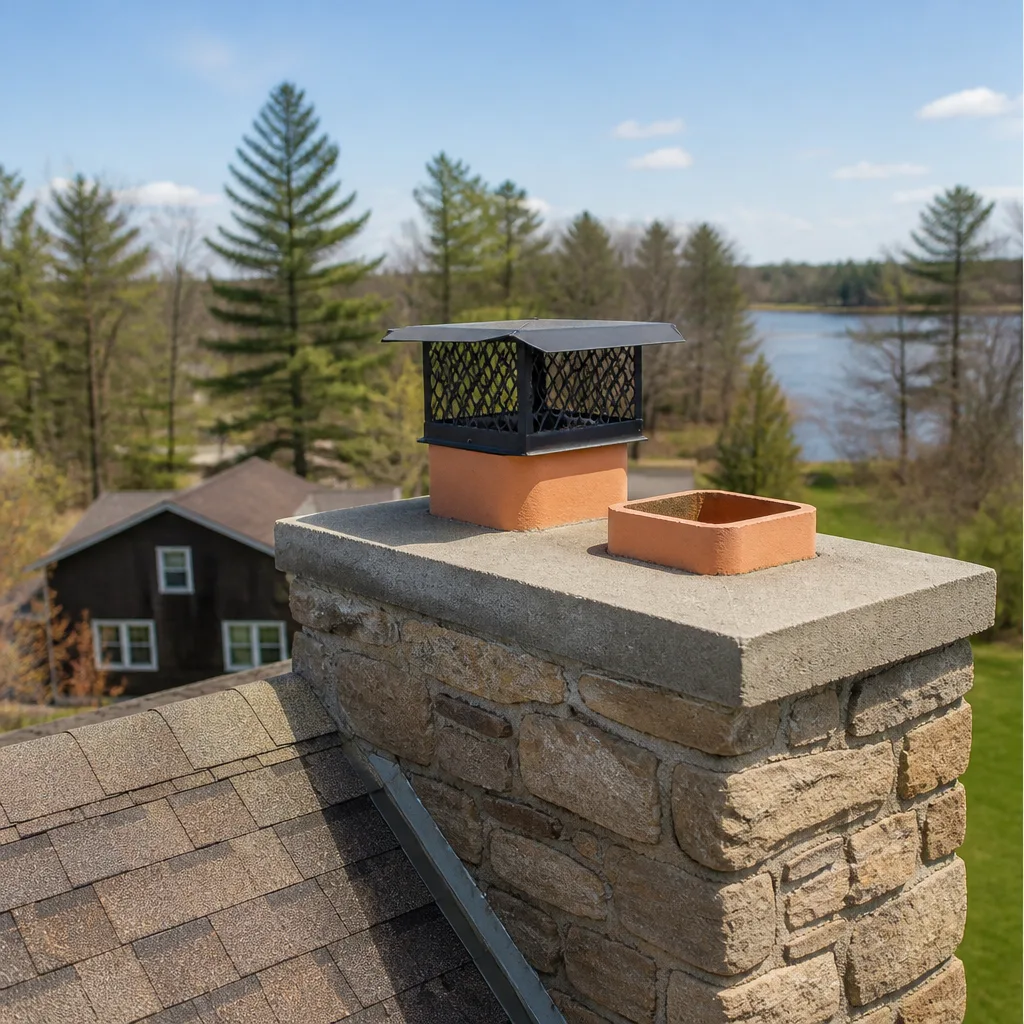 Sweep & inspection
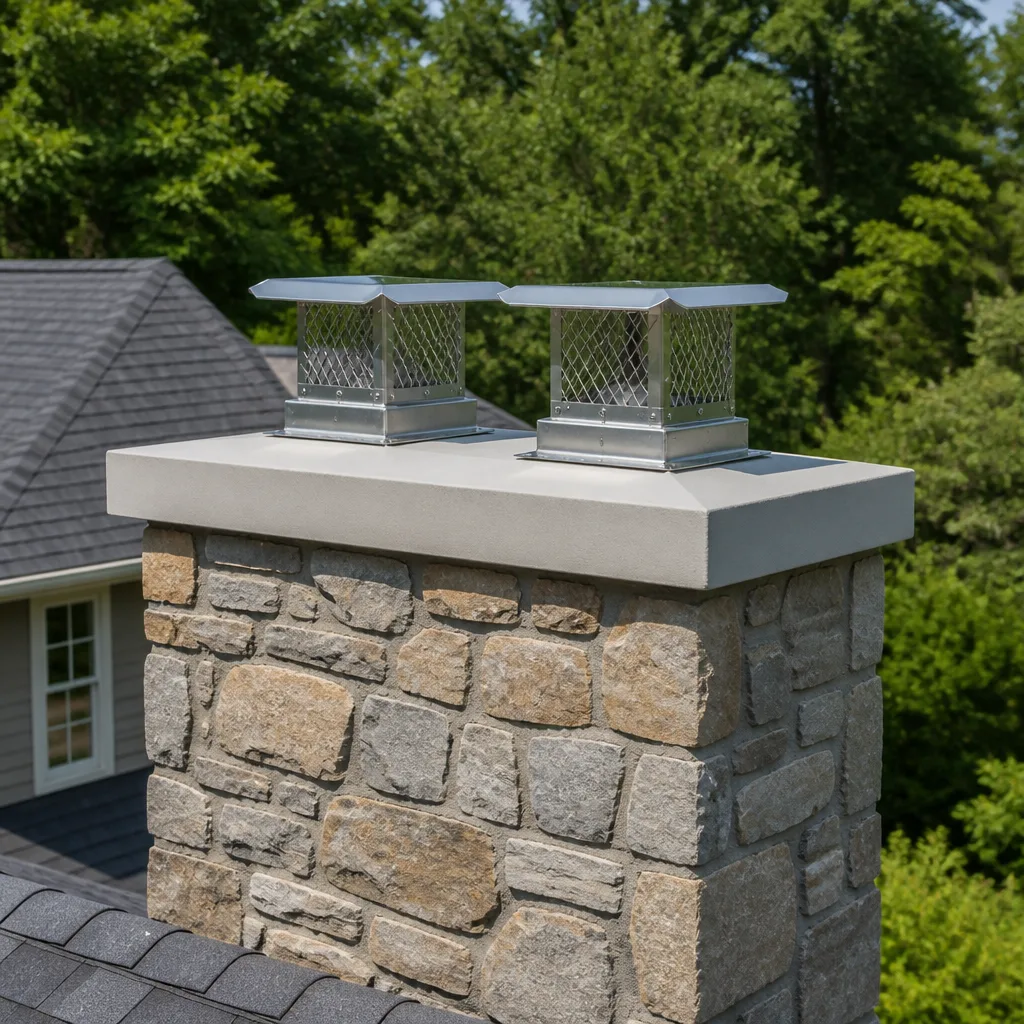 Caps & crowns
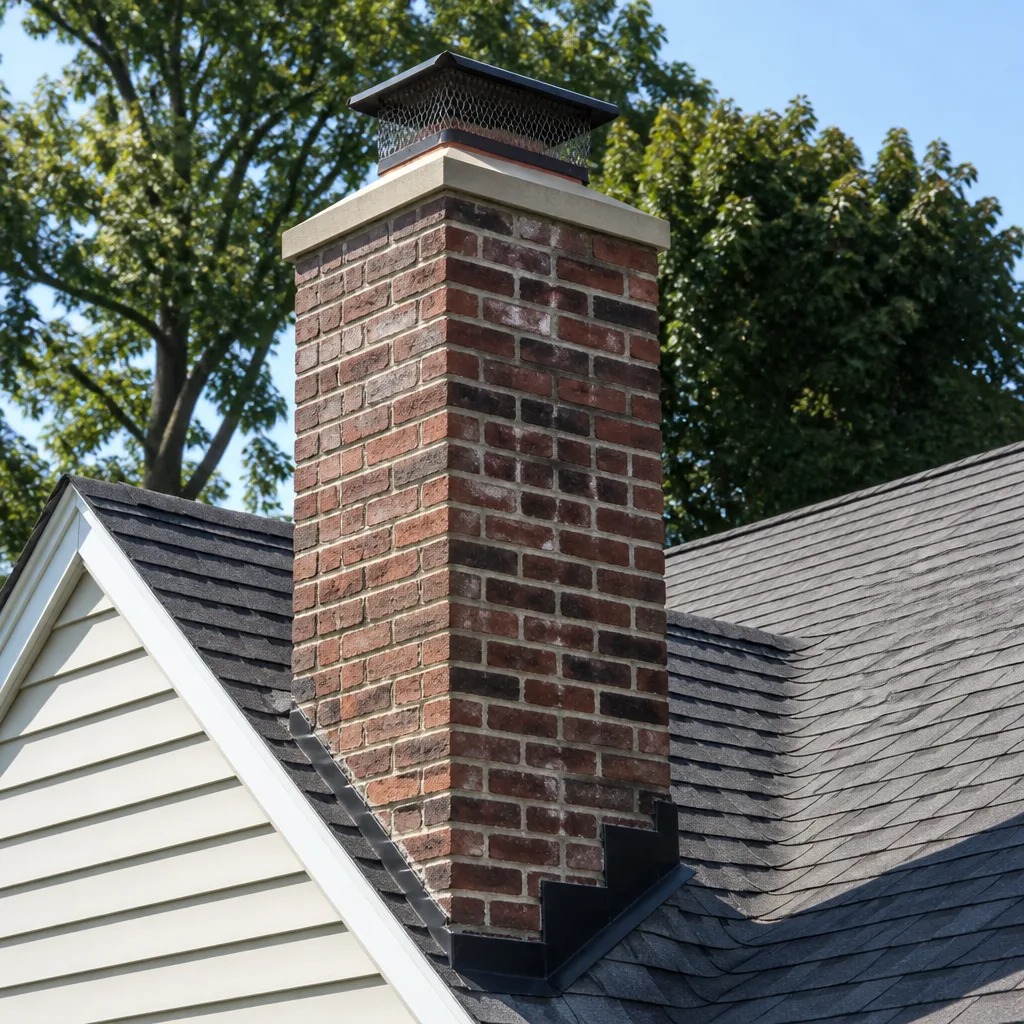 Masonry repair
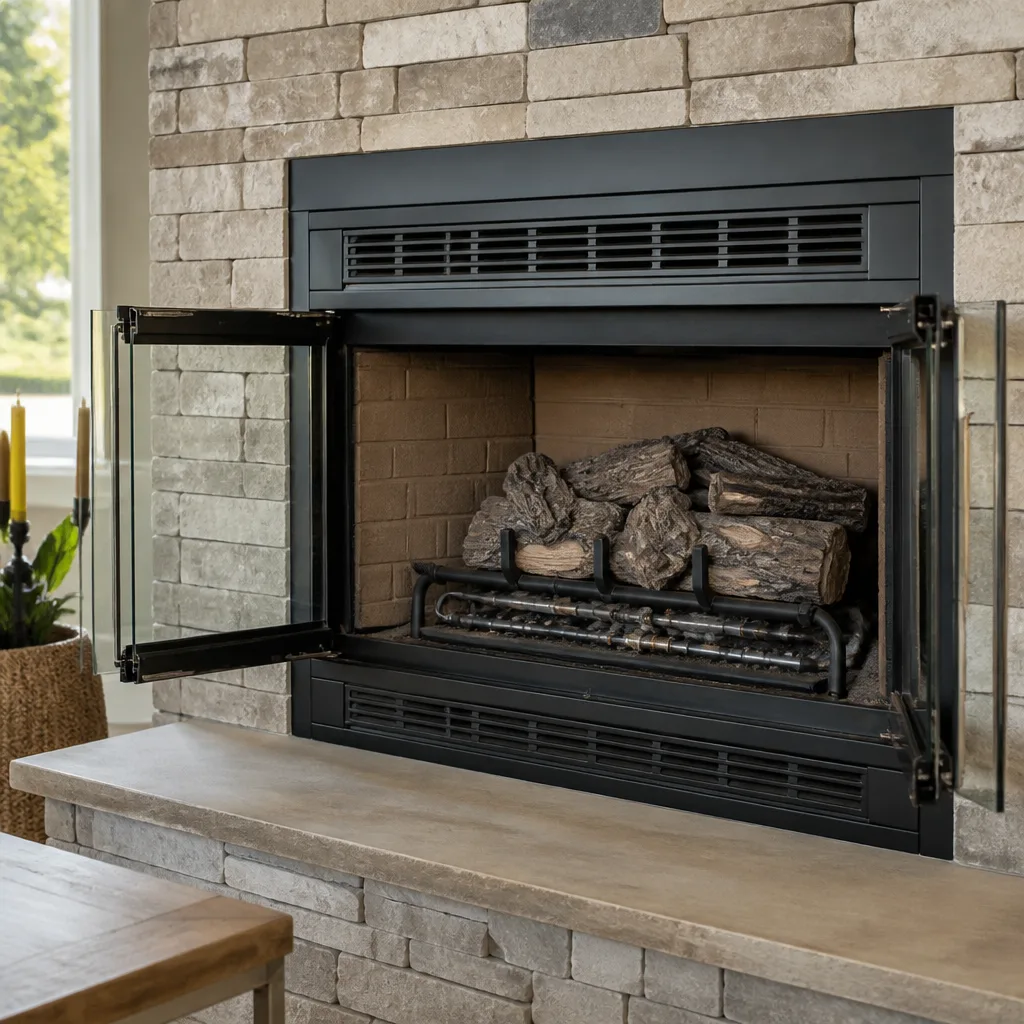 Gas fireplace service
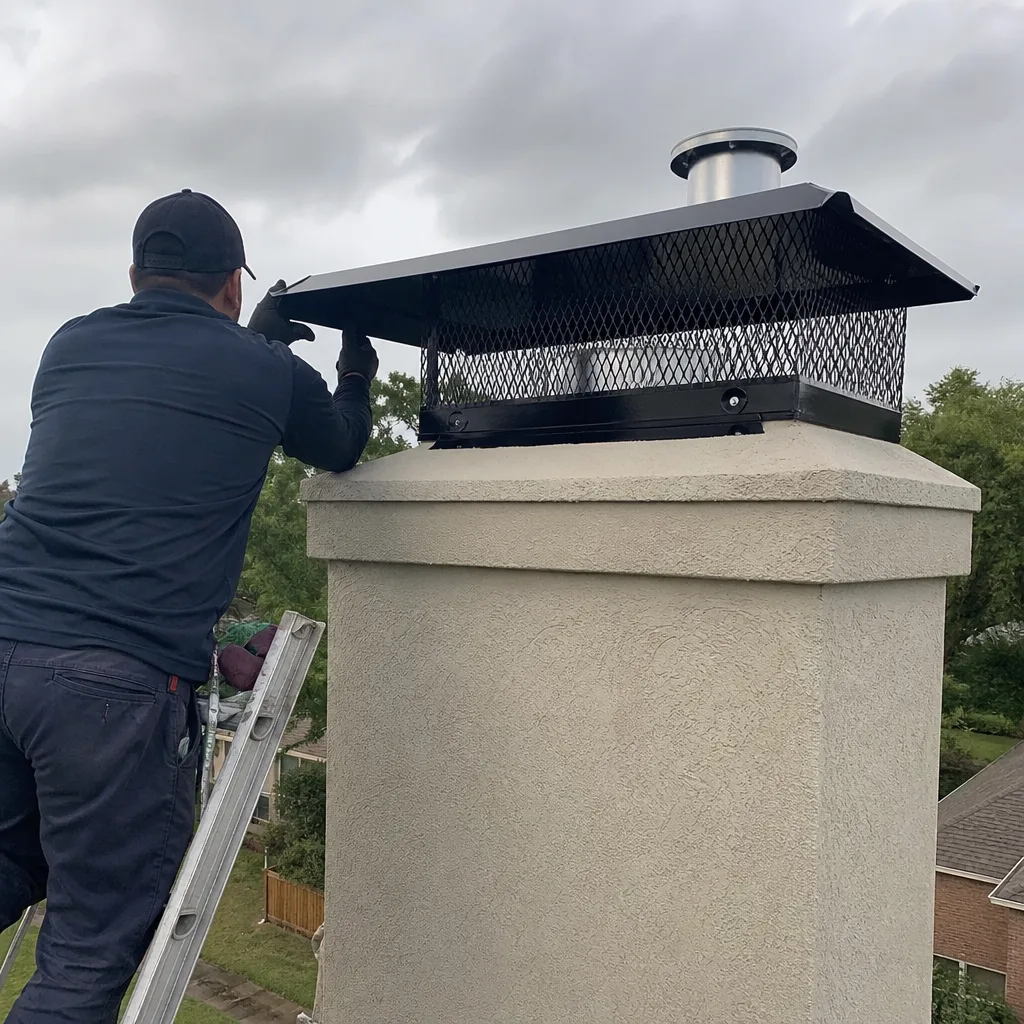
Level 1 sweep and inspection to the NFPA 211 annual standard - flue, crown, cap, and flashing checked and photographed
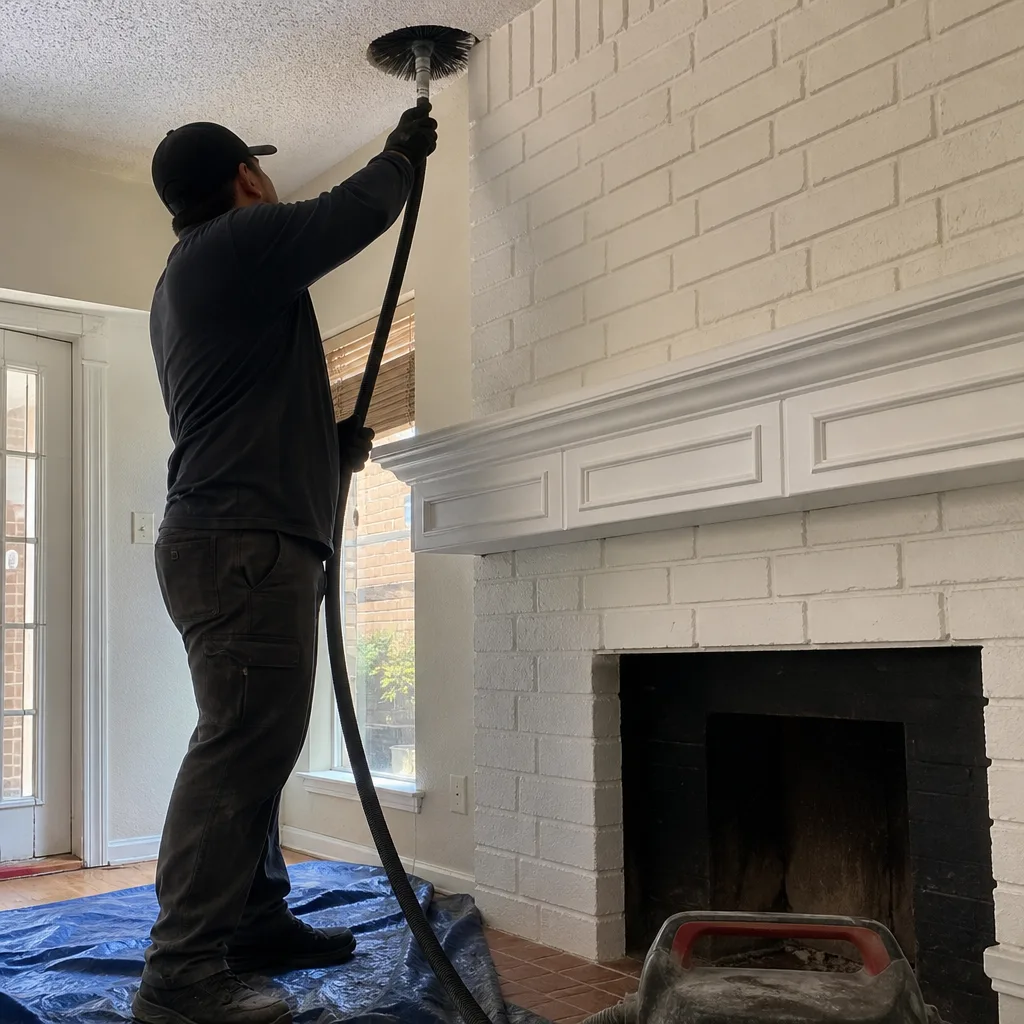
Chimney sweep logs do not sweep chimneys. They loosen some creosote - which then falls where a brush and vacuum still have to collect it.
Famco Flue Liner Replacement: The Houston Owner’s Guide
If you’ve got a Famco flue liner that’s cracked, rusted through, or just plain worn out, we can replace it. In Houston, a Famco-compatible flue liner replacement typically runs $1,800 to $4,200 installed, depending on liner diameter, length, and whether we’re dealing with a straight shot or an offset flue. Most Houston homes we work on use stainless steel liners in the 5.5-inch to 8-inch range, and we stock Famco components plus equivalent liners from DuraFlex, HeatShield, and Gelco on the truck. The way owners usually find out: a chimney inspection flags it, or they notice flaking rust and discolored brick inside the firebox, or a carbon monoxide detector starts acting up when the fireplace runs.
Here’s the straight answer: if your Famco liner is failing, you replace it. You don’t patch it. You don’t hope it makes one more season. We’ll get into why below, but the short version is that a compromised liner vents hot combustion gases into your chimney chase, not out of your house. That’s a fire risk and a carbon monoxide risk, and Houston humidity doesn’t do any favors to a liner that’s already given up.
Which Famco Models This Applies To
Famco builds flue liners and venting components for both masonry fireplaces and factory-built systems, and the replacement path depends on which one you have. If you’re working with a masonry chimney, the Famco part we’d replace is typically a stainless steel liner: either a rigid section or a flexible corrugated liner that drops down the existing clay tile flue. Common sizes we see in Houston homes run from 5.5-inch round for gas inserts up to 8-inch round for wood-burning fireplaces, with 6-inch being the workhorse size for most wood stoves and inserts.
Here’s a compatibility gotcha worth knowing: Famco flexible liners are sold by diameter and by whether they’re rated for gas, wood, or oil. A gas-rated liner is thinner alloy and will not hold up to wood-burning temperatures. If someone installed a gas liner and you’ve since switched to wood, that liner is on borrowed time. Same goes for mixing brands: a Famco connector won’t always seat cleanly with a DuraFlex tee or cap without an adapter. We carry the adapters and know which combinations seal properly.
Identifying what you have is usually straightforward. Look for a metal tag or stamped plate on the liner cap at the top of the chimney, or on the connector pipe inside the firebox. If the tag is gone, we measure the inside diameter at the top and the firebox end, check the alloy with a magnet (304 stainless is only lightly magnetic; 316 is close to non-magnetic), and match the replacement to what the appliance actually needs, not just to what was there before. Ashby Chimney Houston is an independent service provider, not affiliated with Famco, which means we’re free to tell you when a different liner brand is the better fix for your setup.
Styles & brands we work with
Signs Your Famco Flue Liner Replacement Is Failing
Most liner failures announce themselves eventually. Here’s what we hear about on calls across Houston, from the Heights to Katy, and what each symptom actually means:
- Rust flakes or discolored brick in the firebox. Stainless steel liners don’t rust through quickly, but when a liner’s welded seam fails or the alloy starts pitting, moisture from Houston’s humidity plus combustion byproducts produces rust that falls back down into the firebox. If you’re seeing orange flakes, the liner’s surface has been compromised.
- A carbon monoxide detector that only chirps when the fireplace runs. This is the one we tell people to take most seriously. A liner with a crack or a separated seam can let CO drift back into the living space instead of out the flue. If the detector goes off during or right after a fire, stop using the fireplace and have it inspected.
- Mortar bits or clay tile chunks on the smoke shelf. This means the original clay liner behind or around the Famco liner is spalling, which often damages the stainless liner from the outside in. The two problems usually travel together in older Houston homes.
- Visible sag or separation at a liner joint. Flexible liners are pulled through the flue and secured at the top plate. Over years of expansion and contraction from Houston’s hot, humid summers to the occasional freeze, the liner can slip or a coupling can loosen. If you can see daylight between sections from the top of the chimney, that’s a failed connection.
- Odor that smells like last winter’s fires, even in July. A sound liner contains that smell. A breached liner lets creosote odor seep into the chimney chase and sometimes into nearby walls. If the fireplace smells strong when it hasn’t been used in months, the liner’s not doing its job.
See the difference
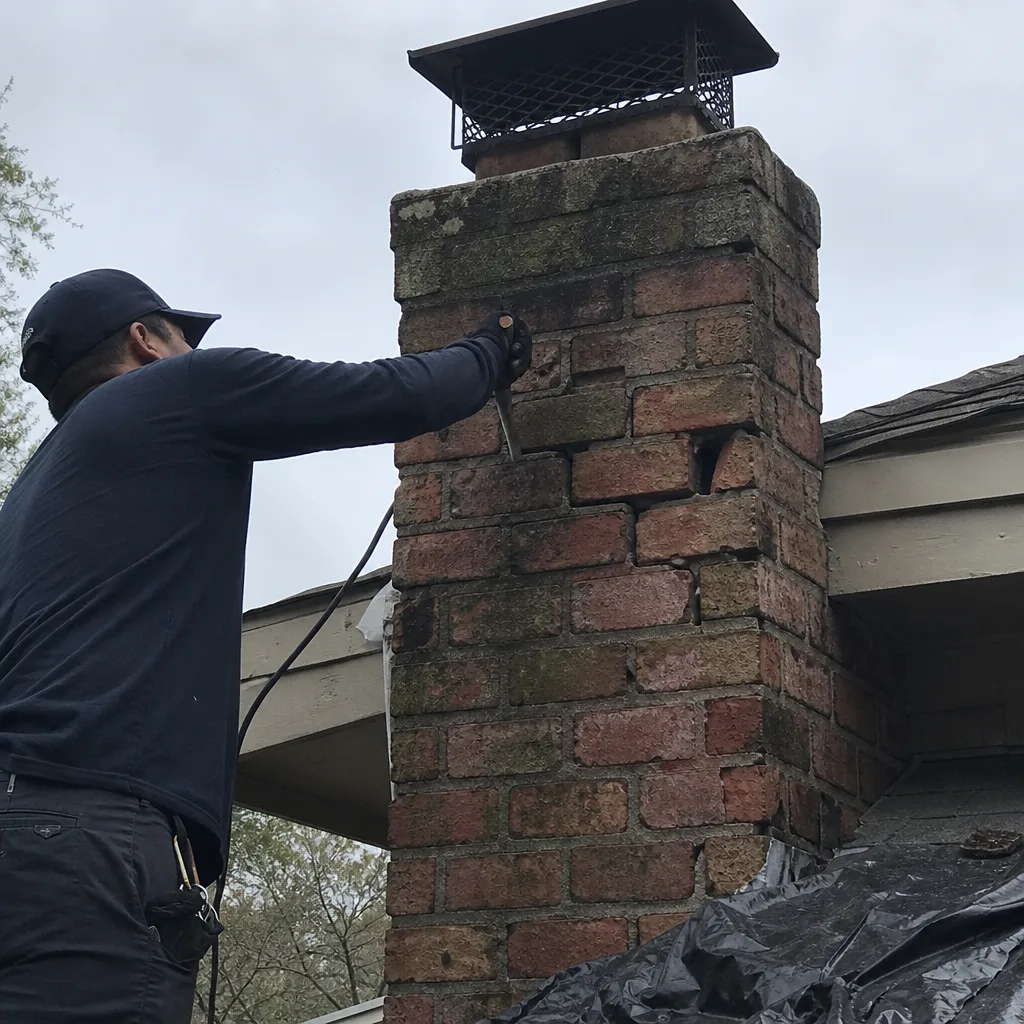 Before
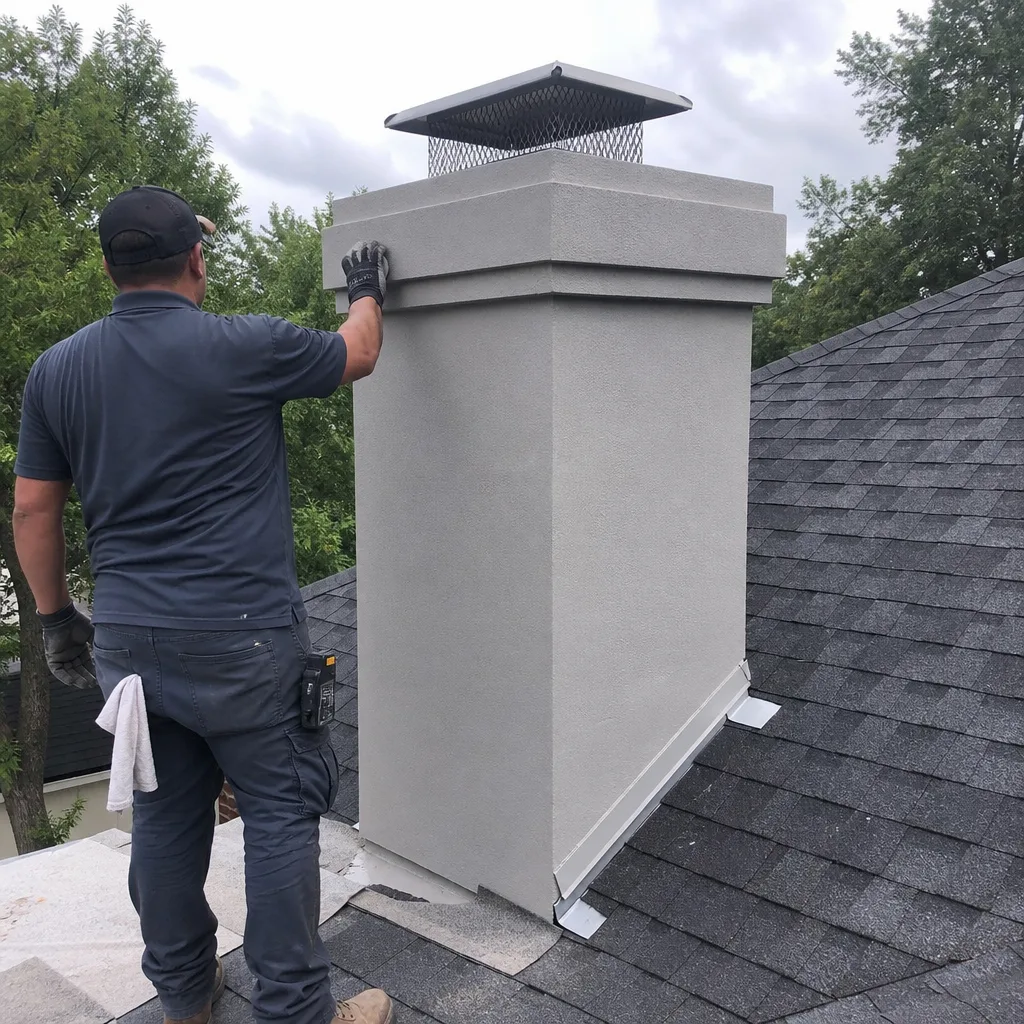 After
After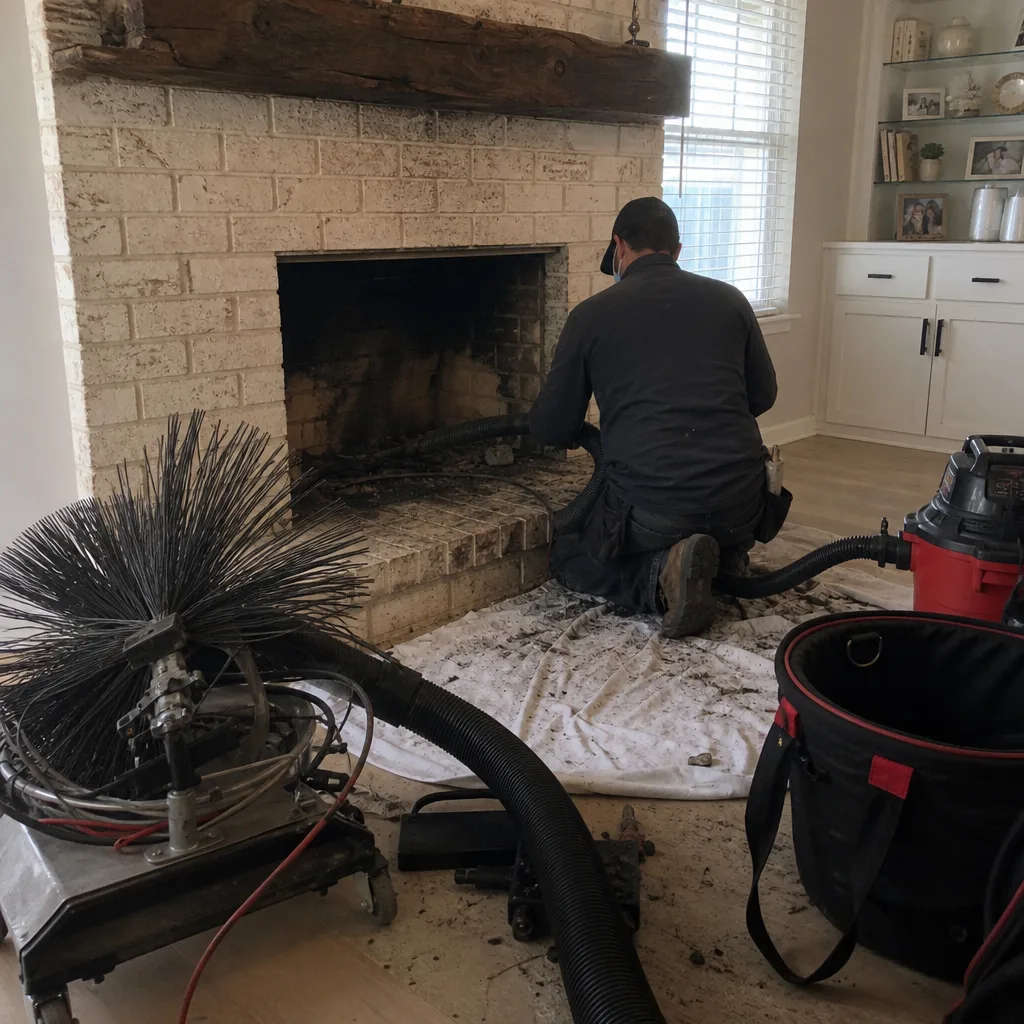 Before
 After
After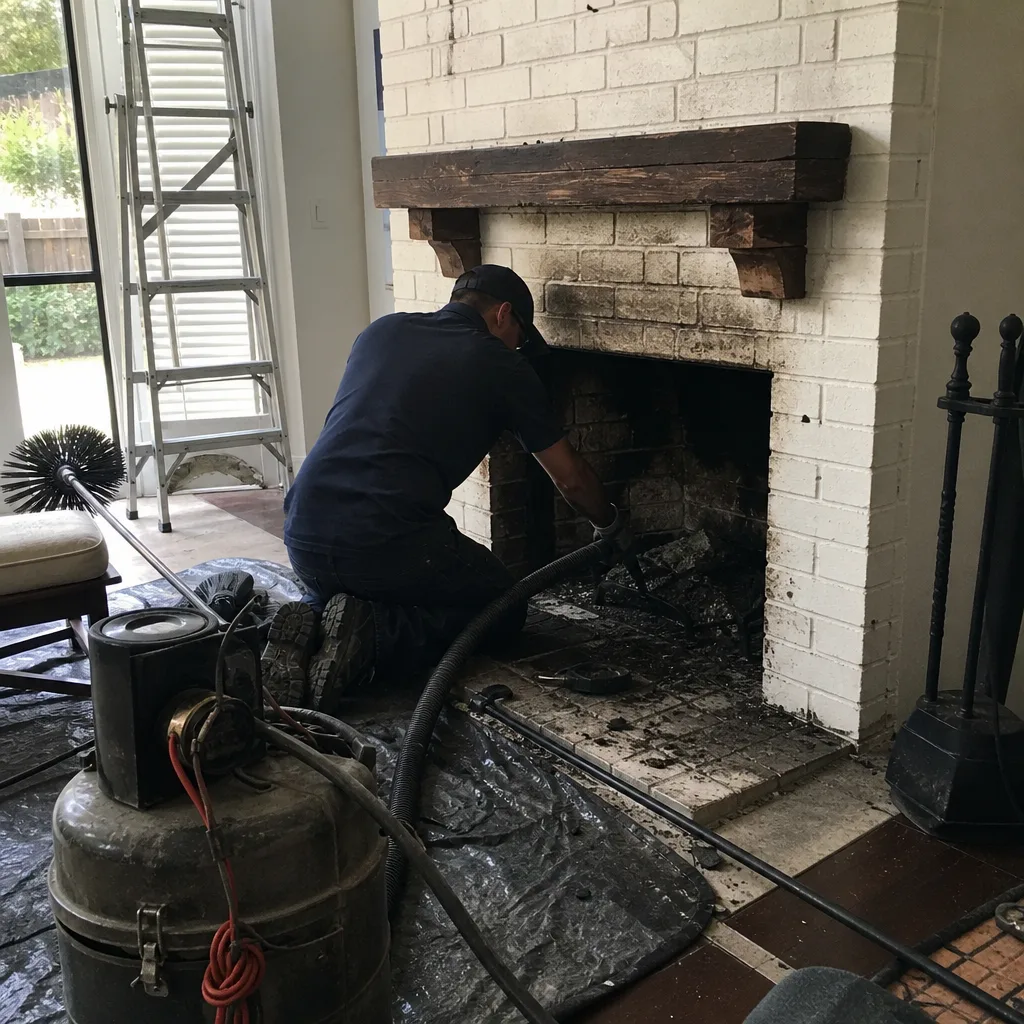 Before
 After
AfterReplacement Cost & What’s Included
For a standard Famco flue liner replacement in Houston, expect the installed price to land between $1,800 and $4,200. That’s parts and labor in one written number, and it’s the number you’d see before we touch a tool. Here’s what moves the price:
- Liner diameter and length. A 6-inch by 20-foot liner is less expensive than a 7-inch by 35-foot liner. Bigger and longer costs more, plain and simple.
- Rigid versus flexible. Rigid sections cost more in labor because each piece has to be connected and sometimes angled. Flex liner goes in as one continuous piece, which usually means faster install and lower labor cost.
- Chimney condition. If the old clay tile is so deteriorated that the liner can’t pass through cleanly, we may need to break out the old tile first. That adds labor hours. If your chimney cap, top plate, or rain pan is also shot, we’ll quote those separately so you know what each line item costs.
- What’s included always: the new liner, top plate, cap assembly, connectors, and the written Kingswell Guarantee covering the installation. If the liner fails during the guarantee period, we come back and fix it at no charge. That’s the 365-Day Done Right Promise, and it’s not an add-on you have to ask for.
Most of the Houston flue liner replacements we complete are done in a single day. We book it, show up in the window we gave you, and leave the firebox and surrounding floor cleaner than we found it. Nathan Corliss takes the Kingswell Way seriously: tell you the price first, explain the work second, put it in writing third – that’s the whole system.
DIY or Call Us?
Replacing a flue liner isn’t a weekend project, and we say that for your safety, not to protect our schedule. The work happens on a roof, often on a ladder, with a liner that has to be guided down a chimney chase and secured under tension at the top plate. Falls from roofs and ladders are a leading cause of serious household injury, and the fire and carbon monoxide consequences of a badly seated liner don’t show up right away. We don’t recommend this as a DIY job.
What you can safely do yourself: look for the rust flakes, check the visible seams where the liner meets the firebox, and note whether the fireplace smells when it’s cold. Those observations help us quote accurately over the phone. You can also pull the model number off the appliance plate so we know what we’re matching against before we arrive. After that, our recommendation is to let a trained tech do the work. Call (903) 961-6496 and we’ll schedule the inspection, give you a written price, and handle the rest.
FAQs
A Famco stainless steel liner typically lasts 15 to 25 years in Houston, with wood-burning use trending toward the shorter end and gas-only use toward the longer. Houston’s humidity accelerates pitting at welds and seams, so liners here often fail a few years earlier than the same liner would in a dry climate. Annual inspection is the reliable way to catch it before it becomes a hazard.
Small, isolated cracks in a stainless liner can sometimes be addressed with a patch or a sleeve, but seamed joints and rust-through failures need replacement sections. The honest answer: once a liner shows multiple failure points or visible separation, we recommend replacement rather than repeatedly patching. Every repair or replacement we do carries the written Kingswell Guarantee, so if a patch fails inside the guarantee period, we return and correct it at no charge.
Most Famco flue liner replacements in Houston are completed in four to six hours on site. Multi-story chimneys, breaking out deteriorated clay tile, or re-routing offsets can push it to a full day. We’ll tell you the timeline when we give you the written price, so there’s no surprise about when we finish.
We keep a range of stainless steel liners and components on the truck, including Famco-compatible sizes plus equivalent brands like DuraFlex, HeatShield, and Gelco. If your chimney needs an unusual diameter or a specialty fitting we don’t have on hand, we can usually source it within a few days through our Houston supplier network. Call (903) 961-6496 and we’ll confirm availability for your specific size before we schedule.
Written by Nathan Corliss, Owner, Ashby Chimney Houston at Ashby Chimney Houston, serving Houston and nearby areas.